
Description
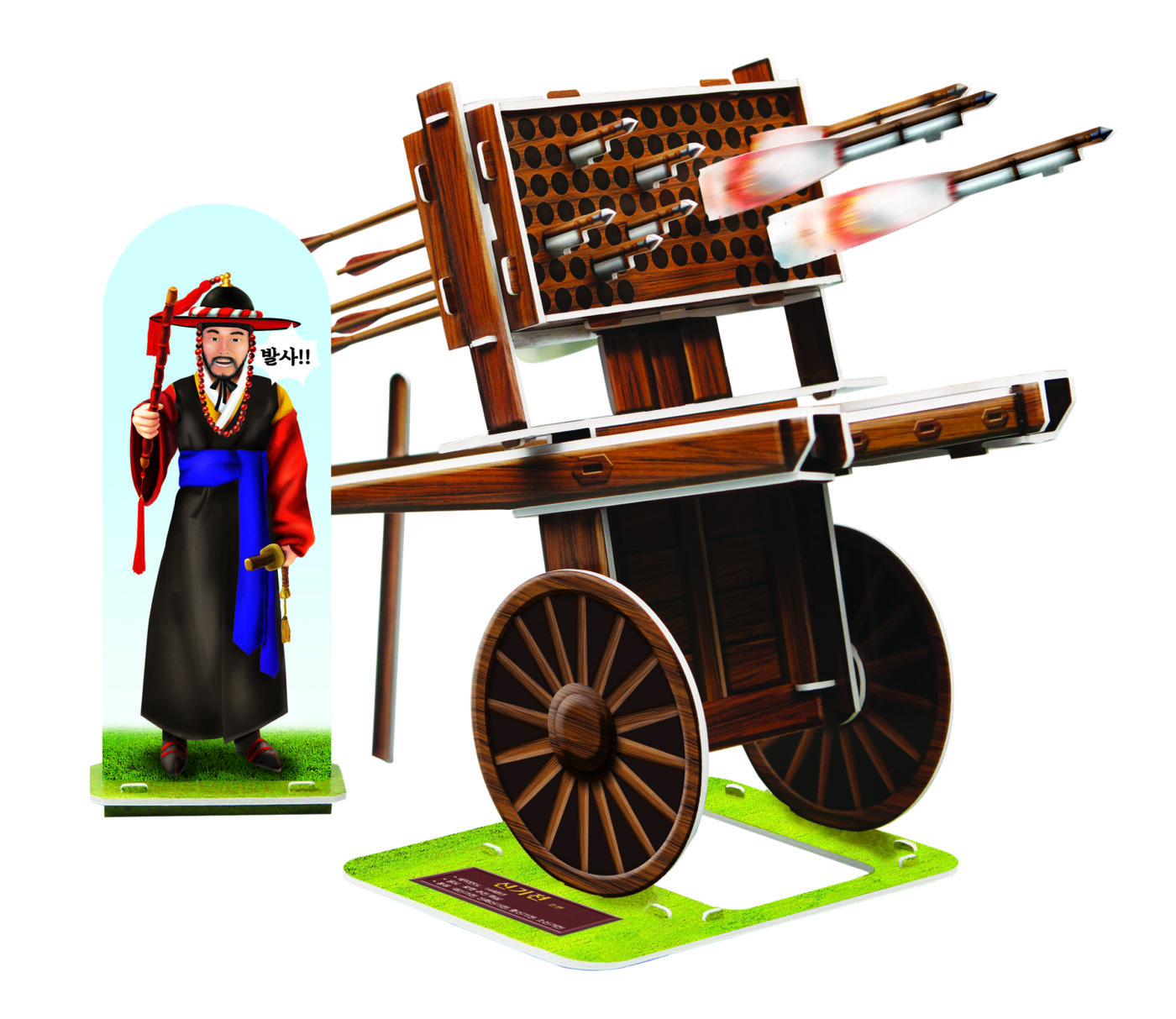
Singijeon
Category: K-history
Model Name: Singijeon
Model No.: HS20-037-02
PCS: 39
Ages: 8+
Difficulty: ★★★☆☆☆☆
Assembled Size: 130x170x180
Board Size: 300×210
Product Contents: Puzzle Board, Instruction Sheet
| 39 | 8+ | ★★★☆ ☆☆☆ | 130x170x180(mm) | 300×210(mm) x 2Sheets |
| PCS | Ages | Difficulty | Assembled Size | Board Size |
Summery of key features
- No. HS20-037-02
- Board Size: 300×210(mm)x2Sheets
3D Puzzle
Learning Through Play
Best Hands-on Education
We believe in
Hands-On Education
Hands-on learning is the best approach to learning rather than just being taught the theory via books.
Information
Singijeon
1. What Is Singijeon?
Singijeon, meaning “mysterious mechanical arrow,” was a weapon developed in the 30th year of King Sejong’s reign (1448). Why was it given such a name?
It was based on a rocket-like device called juhwa, invented by Choe Mu-seon during the late Goryeo period. Singijeon had a gunpowder tube attached to the rear of the arrow. When ignited, it would fly rapidly through the air—similar to the principle of a rocket. As it approached its target, a second gunpowder tube (the ignition tube) would explode, causing destruction upon impact.
To people of the time, this technology must have seemed almost supernatural—like something only a ghost could do. That’s why it was named Singijeon.
2. How Was Singijeon Used?
Singijeon came in various sizes and forms: Dae-Singijeon (large), Sanhwa-Singijeon (scattered fire), Jung-Singijeon (medium), and So-Singijeon (small).
To launch Singijeon, a device called hwacha was used. Hwacha had multiple holes into which the arrows were inserted. It allowed for adjustable firing angles and could launch arrows over a wide area, even in rapid succession.
These weapons were highly effective in repelling invasions by the Jurchens and Japanese pirates (Wokou). The Annals of the Joseon Dynasty record that “when Singijeon was fired into places where enemies might be hiding, they were so terrified that they surrendered on their own.”
3. Who Was Choe Mu-seon, the Developer of Gunpowder?
Choe Mu-seon was a key figure in the late Goryeo period who developed gunpowder and played a major role in defeating Japanese pirates. At the time, Goryeo suffered frequent invasions, especially along coastal regions. The damage was so severe that residents cried out, “We can’t live because of the Wokou!”
Determined to create a powerful weapon to repel them, Choe Mu-seon endured many failures before finally learning the method of making gunpowder from a Chinese merchant named Yi Won. He succeeded in developing gunpowder and personally participated in battles at Jinpo and Gwaneumpo, where he successfully drove out the pirates.
His son, Choe Hae-san, inherited his father’s knowledge and contributed to the development of firearms. Thanks to their efforts, Korea was able to effectively defend itself against pirate invasions during the late Goryeo and early Joseon periods.
4. How Did Joseon Defend Against the Wokou?
The Wokou were pirate groups based on Tsushima Island in Japan. From the late Goryeo period into early Joseon, they frequently raided Korea’s coastal regions—stealing goods and killing civilians, causing widespread devastation.
In the late Goryeo period, General Bak Wi led a campaign to suppress the pirates on Tsushima Island. However, the raids continued into the Joseon era. During King Taejo’s reign, Kim Sa-hyeong was dispatched to combat the Wokou, but the most significant campaign occurred under King Sejong.
In the first year of King Sejong’s reign (1419), General Yi Jong-mu led a large-scale expedition to Tsushima Island, commanding 227 warships and over 17,000 troops. The campaign was successful, and it significantly reduced pirate activity for a considerable period.
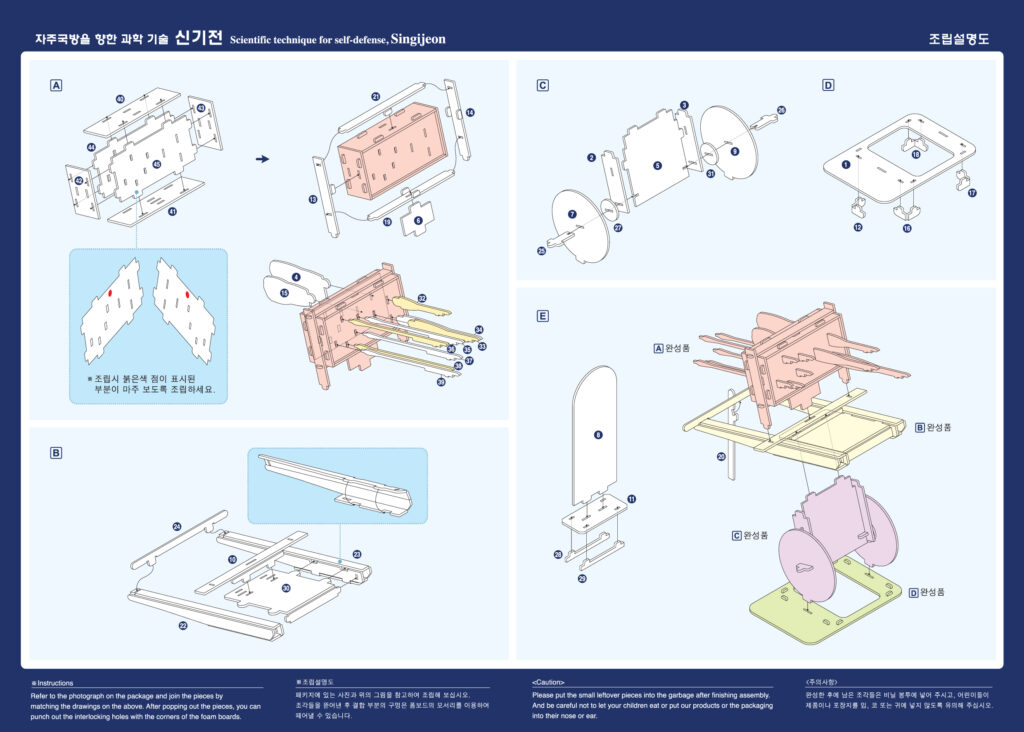
How To Make
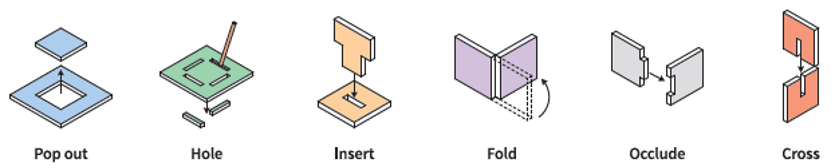
Instructions
Why do you need 3D Puzzle
3D Puzzles enhances problem-solving skills, scientific thinking, and creativity, making them highly beneficial for STEM (Science, Technology, Engineering, and Mathematics).
What Our Customers Say
Explore why enthusiasts rave about building 3D puzzle. Here are some stories from our satisfied customers!
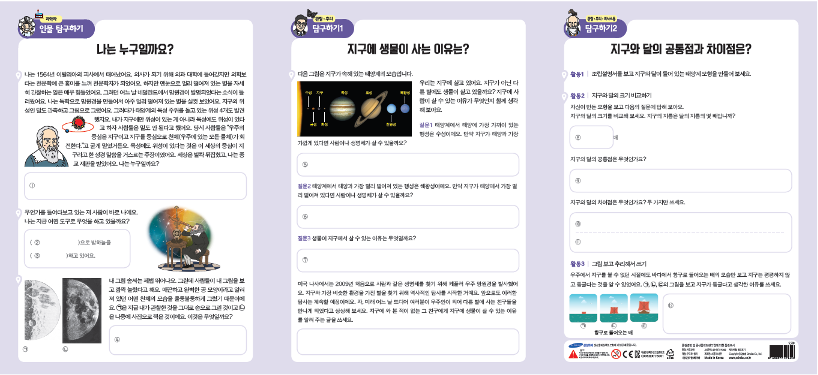
Student Worksheet & Answer Sheet Download
Certification

Reviews
There are no reviews yet.