
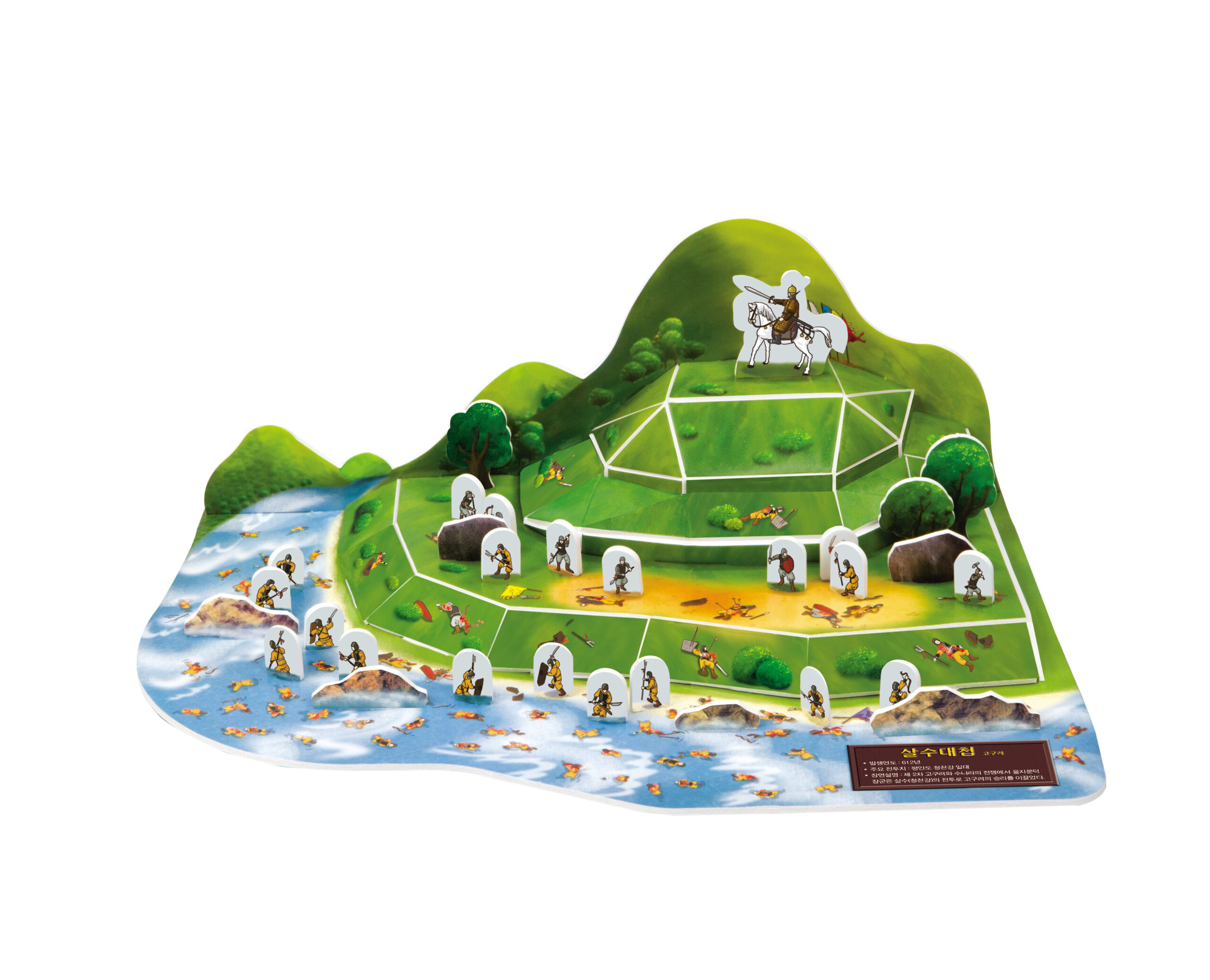

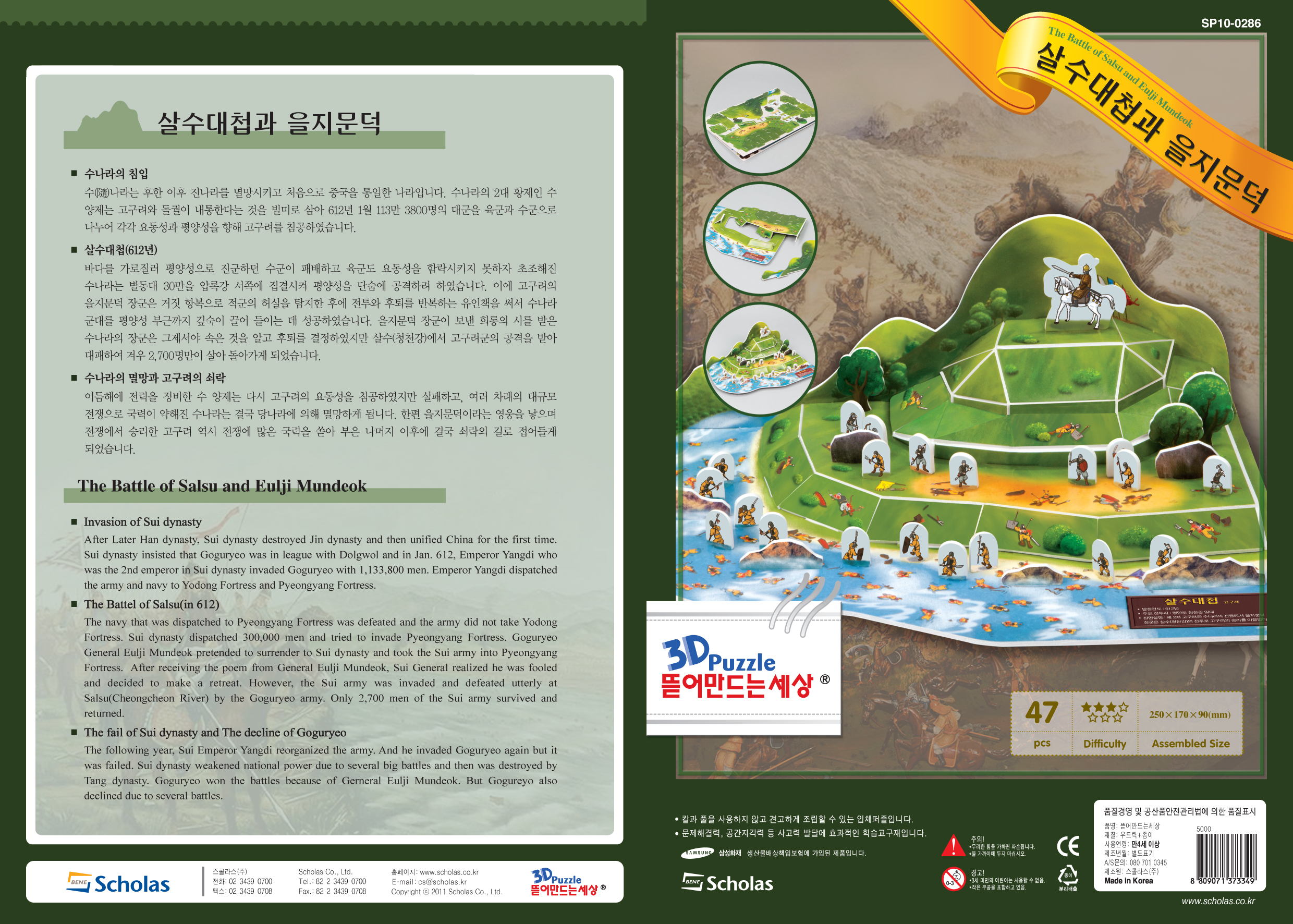

Description
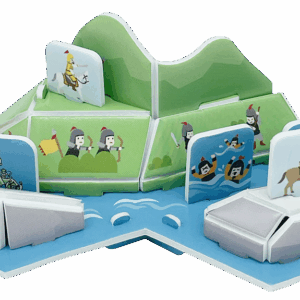
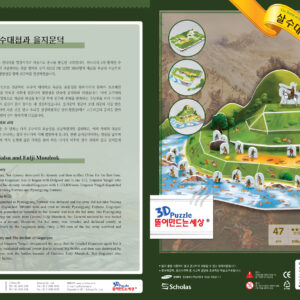
Battle of Salsu
Category: K-history
Model Name: Battle of Salsu
Model No.: HS20-008
PCS: 47
Ages: 8+
Difficulty: ★★★☆☆☆☆
Assembled Size: 224x170x90
Board Size: 300×210
Product Contents: Puzzle Board, Instruction Sheet
| 47 | 8+ | ★★★☆ ☆☆☆ | 224x170x90(mm) | 300×210(mm) x 2Sheets |
| PCS | Ages | Difficulty | Assembled Size | Board Size |
Summary of key features
- No. HS20-008
- Board Size: 300x210(mm)x2Sheets
3D Puzzle
Learning Through Play
Best Hands-on Education
We believe in
Hands-On Education
Hands-on learning is the best approach to learning rather than just being taught the theory via books.
Information
Battle of Salsu
1. What Was the Battle of Salsu?
The Battle of Salsu refers to a military clash between Goguryeo and the Sui Dynasty of China in the year 612, fought near the Salsu River—known today as the Cheongcheon River.
Goguryeo, which bordered China, frequently engaged in wars with its neighbor. During the reigns of King Gwanggaeto and King Jangsu, Goguryeo was one of the most powerful nations in East Asia. However, by the late 6th century, the Sui Dynasty had unified China and sought to subjugate Goguryeo.
The Sui demanded that Goguryeo become a vassal state, but Goguryeo refused. In response, the Sui launched a full-scale invasion to conquer the kingdom.
2. How Did Goguryeo Win the Battle of Salsu?
Despite invading Goguryeo four times, the Sui Dynasty failed to conquer it.
Growing impatient, Emperor Yang of Sui sent a massive detachment of 300,000 troops in the 23rd year of King Yeongyang’s reign (612) to attack Pyongyang Fortress. In response, General Eulji Mundeok of Goguryeo led a force of 30,000 soldiers and devised a strategy to lure the Sui army into a trap.
Why use a lure tactic? Because Goguryeo’s forces were vastly outnumbered, a direct confrontation would have been ineffective.
The Sui army, deceived by Goguryeo’s strategy, was drawn to the Salsu River, where most of its soldiers drowned or were killed by Goguryeo troops. Below is a passage from a message General Eulji Mundeok sent to Sui General Yu Zhongwen, mocking him and revealing his intent to deceive.
3. How Did Goguryeo Eventually Fall?
By the 7th century, Goguryeo was now at war with the Tang Dynasty. In the 4th year of King Bojang’s reign (645), Emperor Taizong of Tang led a massive invasion, capturing key fortresses and attacking Ansi Fortress. Goguryeo fiercely resisted.
To defeat Goguryeo, Tang formed an alliance with Silla, known as the Silla–Tang Alliance. They first targeted Baekje, capturing its capital Sabi (modern-day Buyeo) in 660.
After Baekje’s fall, the allied forces turned to Goguryeo. Under the leadership of Yeon Gaesomun, Goguryeo held off the attacks, but years of warfare had weakened the nation’s strength.
After Yeon Gaesomun’s death, his three sons fought over succession, plunging Goguryeo into internal chaos. The Silla–Tang Alliance exploited this instability and launched a final invasion. Goguryeo ultimately fell in 668.
4. How Did Silla Expel the Tang Army and Achieve Unification?
When Silla and Tang formed their alliance, they agreed that Silla would control the southern region below the Daedong River, while Tang would govern the northern part. However, Tang broke this promise and attempted to dominate all of Korea.
In response, Silla actively supported displaced Goguryeo people who sought to restore their kingdom. They also expelled Tang forces stationed in Sabi, the former capital of Baekje.
Silla then defeated Tang forces in the battles of Maesoseong and Gibeolpo. Eventually, Tang withdrew, and in 676, Silla achieved the unification of the Three Kingdoms. However, it did not manage to reclaim all of Goguryeo’s former territory.
5. Glossary
Detached Force (별동대): A special unit operating independently from the main army.
Strategy (책략): A unique method devised to achieve a specific goal.
Maesoseong (매소성): A mountain fortress located in present-day Daejeon-ri, Cheongsan-myeon, Yeoncheon County, Gyeonggi Province. Only ruins remain today.
Gibeolpo (기벌포): A historical name for the estuary region of the Geum River, now part of Janghang-eup, Seocheon County, South Chungcheong Province.
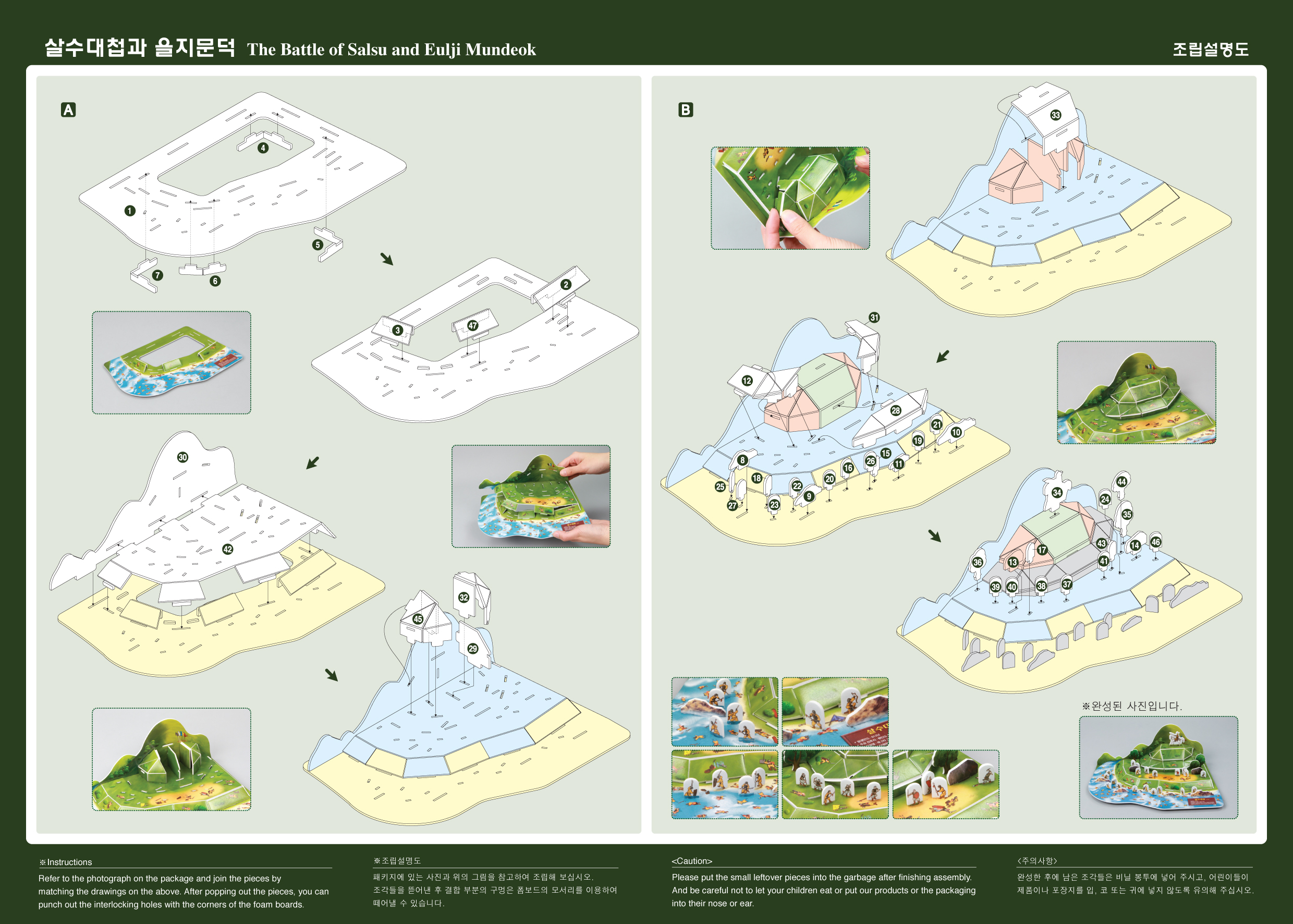
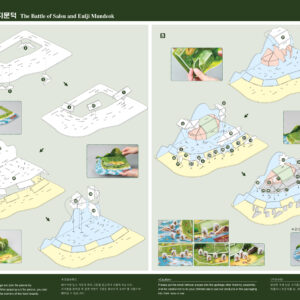
How To Make
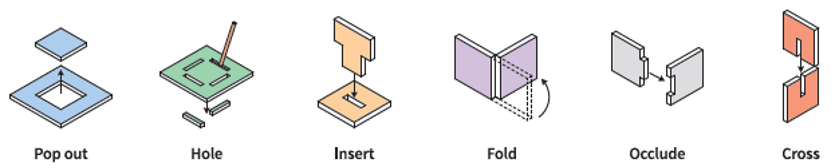
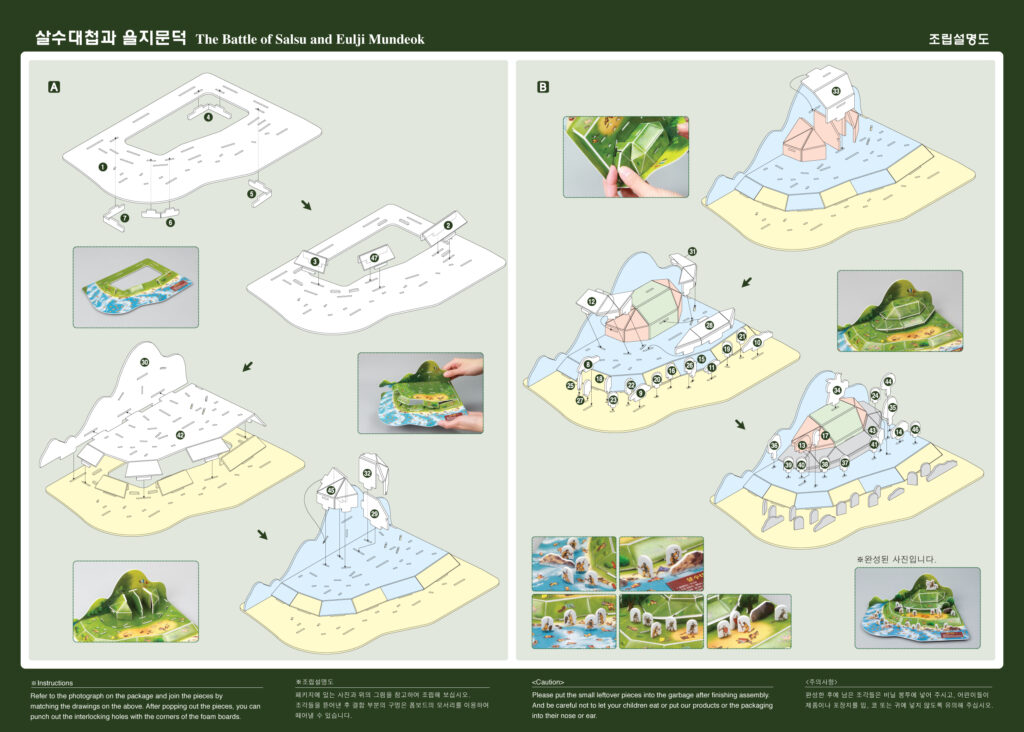
Instructions
Why do you need 3D Puzzle

3D Puzzles enhance problem-solving skills, scientific thinking, and creativity, making them highly beneficial for STEM (Science, Technology, Engineering, and Mathematics).
What Our Customers Say
Explore why enthusiasts rave about building 3D puzzles. Here are some stories from our satisfied customers!
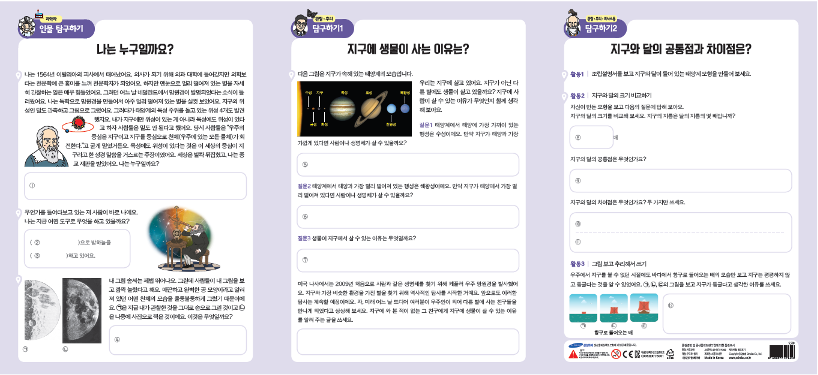
Student Worksheet & Answer Sheet Download
Certification

Reviews
There are no reviews yet.