

Description
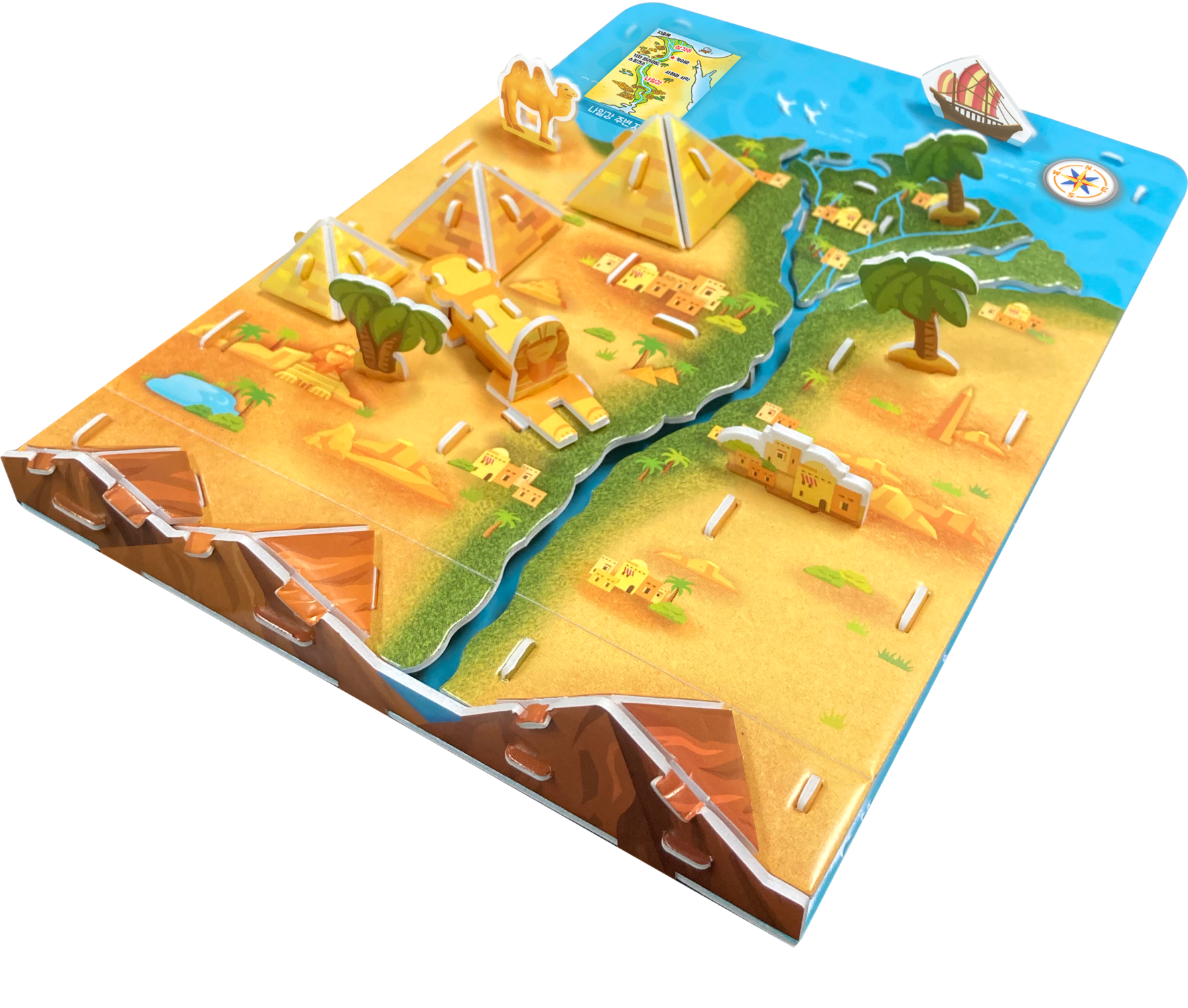
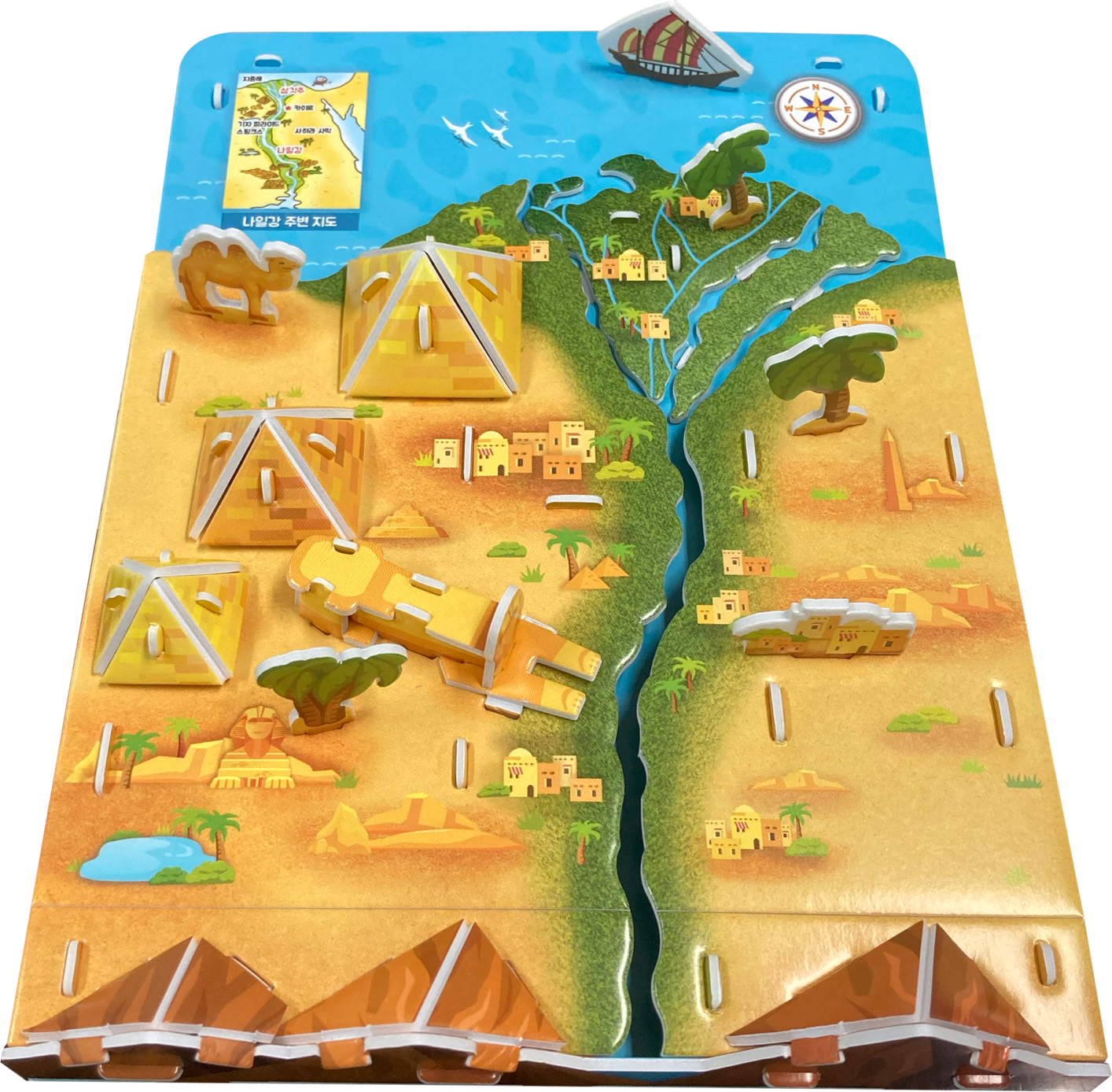
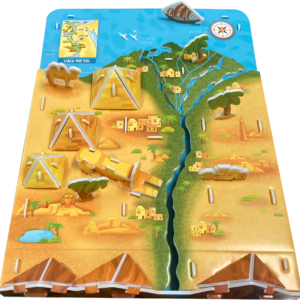
Explore the Landforms of the Nile River
| 44 | 8+ | ★★★☆ ☆☆☆ | 155x212x44(mm) | 300×210(mm) x 2Sheets |
| PCS | Ages | Difficulty | Assembled Size | Board Size |
Summery of key features
- No. SESC22-0015
- Assembled Size: 155x212x44(mm)
3D Puzzle
Learning Through Play
Best Hands-on Education
We believe in
Hands-On Education
Hands-on learning is the best approach to learning rather than just being taught the theory via books.
Information
Explore the Landforms of the Nile River
The Nile River, stretching over 6,650 kilometers (4,130 miles), is the longest river in Africa and has been vital to civilizations for thousands of years.
Its journey from the heart of Africa to the Mediterranean Sea creates various landforms that are both fascinating and essential to the regions it traverses.
1. Sources of the Nile
The Nile has two main tributaries:
White Nile: Originating from the Great Lakes region of central Africa, it begins near Lake Victoria and flows through countries like Uganda and South Sudan.
Blue Nile: Starting at Lake Tana in Ethiopia, it joins the White Nile near Khartoum, Sudan.
These tributaries merge to form the Nile River, which then continues its northward journey.
2. Cataracts of the Nile
As the Nile flows through Sudan and Egypt, it encounters rocky sections known as cataracts. These are areas with rapids and small waterfalls caused by hard rock formations that the river cannot easily erode. There are six major cataracts between Khartoum and Aswan, which historically acted as natural barriers to navigation and influenced the development of civilizations along the river.
3. Nile Valley
Between the cataracts, the Nile carves out a fertile valley through the desert. This valley, with its rich soils deposited by annual floods, has been a cradle of agriculture and human settlement for millennia. The contrast between the lush green of the valley and the surrounding arid desert is striking and has supported diverse ecosystems and human communities.
4. Nile Delta
As the Nile approaches the Mediterranean Sea in northern Egypt, it fans out into a broad, triangular area known as the Nile Delta. This delta region is characterized by numerous branches and channels, creating a network of waterways that deposit nutrient-rich sediments. The delta’s fertile land supports extensive agriculture and is home to a significant portion of Egypt’s population.
5. Swamps and Wetlands
In South Sudan, the Nile passes through a vast swampy area called the Sudd. This wetland is one of the largest freshwater ecosystems in the world and plays a crucial role in regulating the flow of the river, supporting biodiversity, and providing resources for local communities.
6. Importance of Nile Landforms
The diverse landforms along the Nile have significantly influenced human history. The fertile soils of the Nile Valley and Delta enabled the rise of ancient Egyptian civilization by supporting agriculture. The cataracts served as natural defense barriers, while the river itself provided a means of transportation and communication. Today, these landforms continue to support agriculture, provide habitats for wildlife, and attract tourists from around the world.
Understanding the landforms of the Nile River helps us appreciate how natural features shape human societies and the environment.
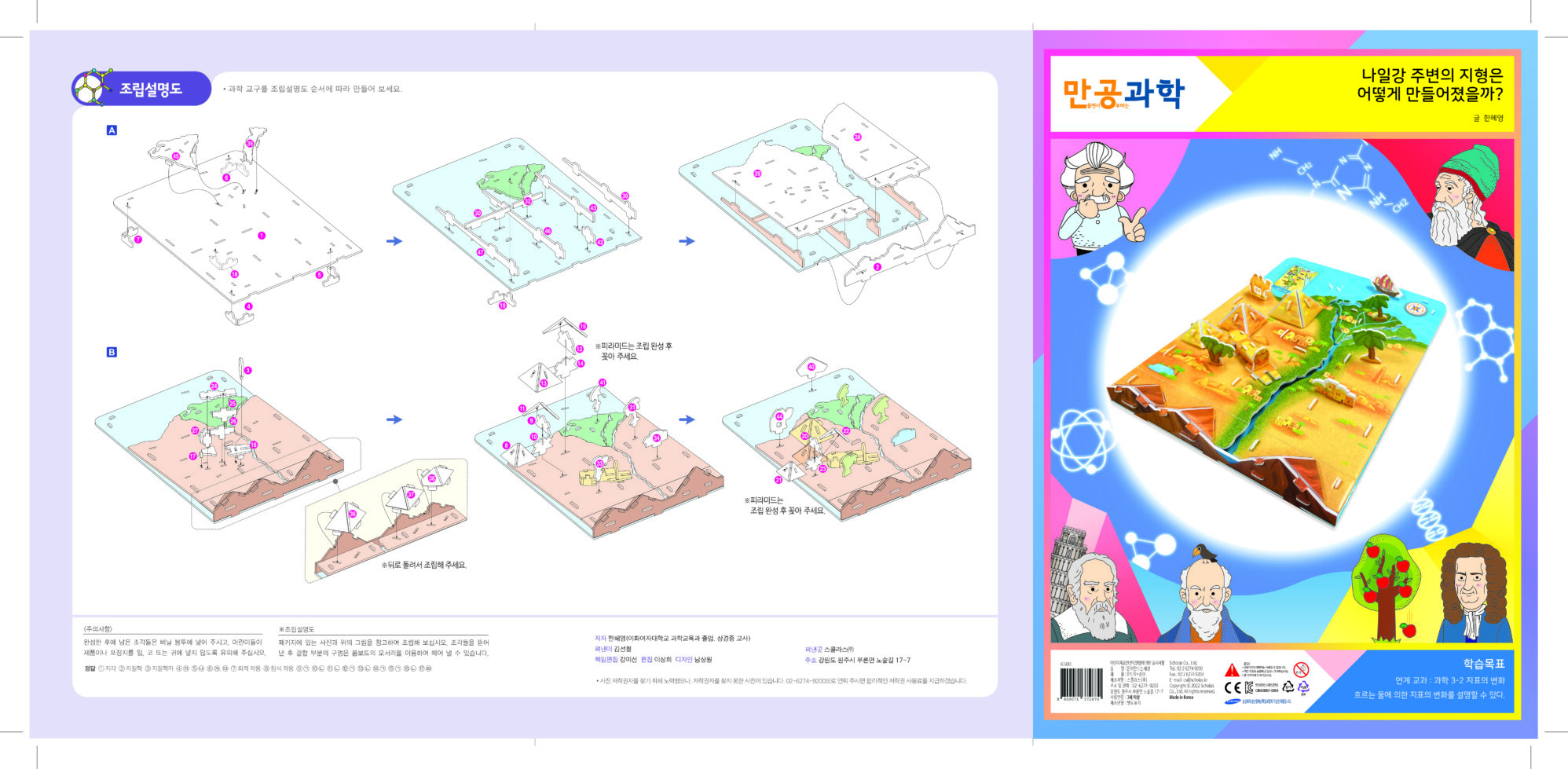
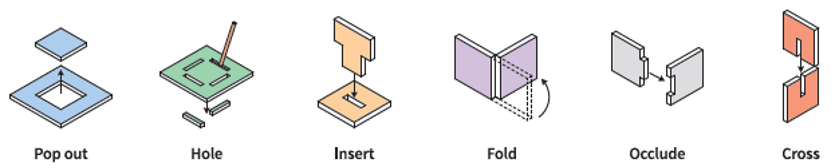
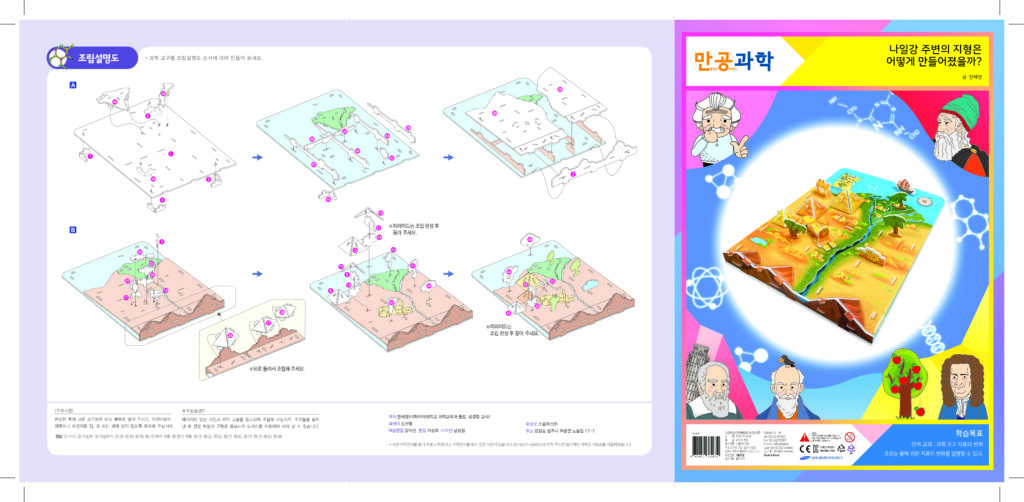
How To Make
Instructions
Why do you need 3D Puzzle
3D Puzzles enhances problem-solving skills, scientific thinking, and creativity, making them highly beneficial for STEM (Science, Technology, Engineering, and Mathematics).
What Our Customers Say
Explore why enthusiasts rave about building 3D puzzles. Here are some stories from our satisfied customers!
Student Worksheet & Answer Sheet Download

Certification



Reviews
There are no reviews yet.