
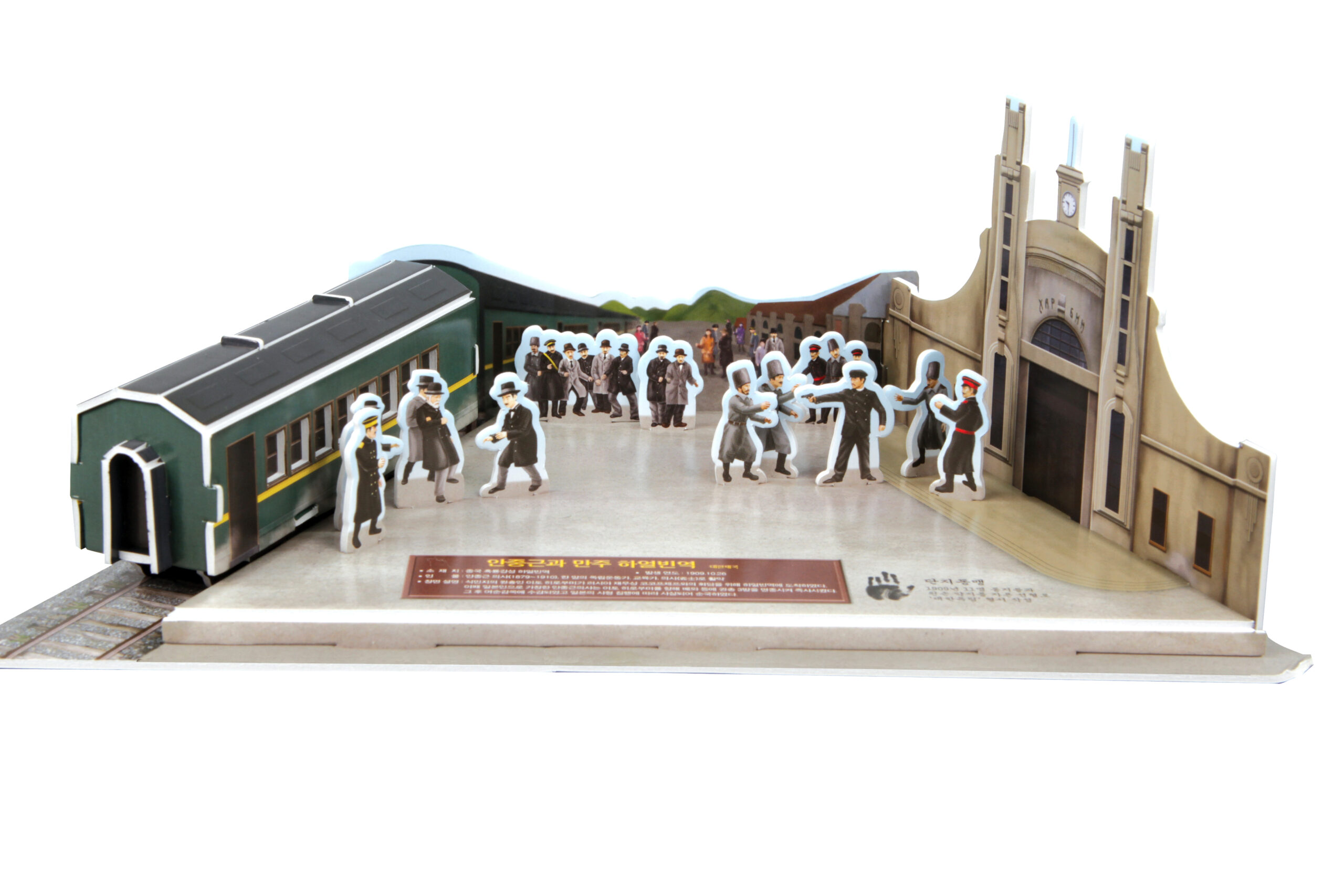
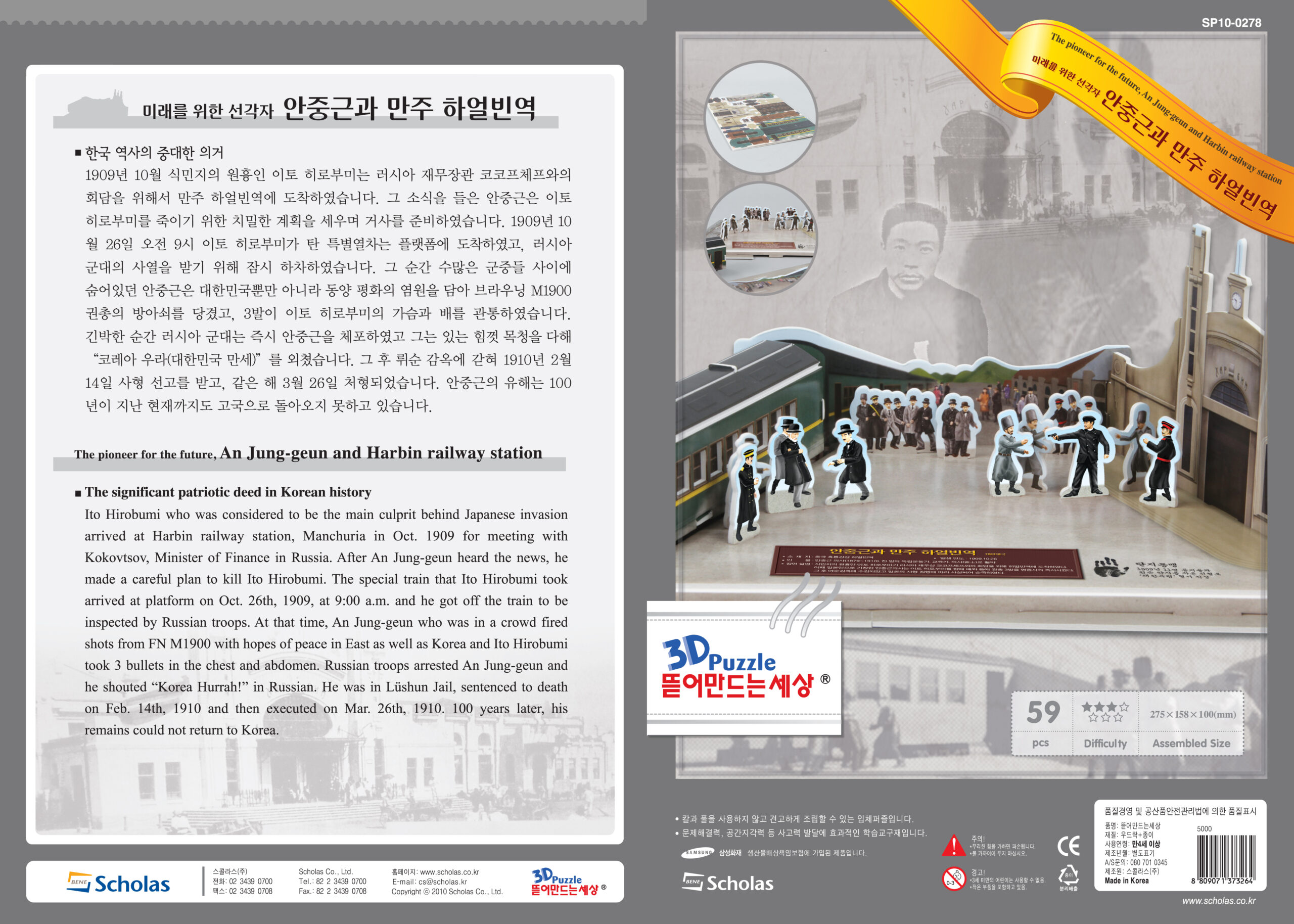

Description
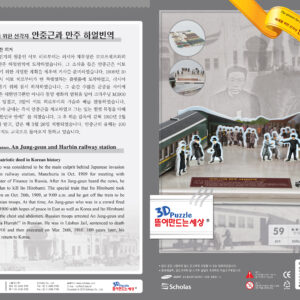
Ahn Jung-geun and Harbin Station
Category: K-history
Model Name: Ahn Jung-geun and Harbin Station
Model No.: HS20-047
PCS: 59
Ages: 8+
Difficulty: ★★★☆☆☆☆
Assembled Size: 275x158x100
Board Size: 300×210
Product Contents: Puzzle Board, Instruction Sheet
| 59 | 8+ | ★★★☆ ☆☆☆ | 275x158x100(mm) | 300×210(mm) x 2Sheets |
| PCS | Ages | Difficulty | Assembled Size | Board Size |
Summery of key features
- No. HS20-047
- Board Size: 300×210(mm)x2Sheets
3D Puzzle
Learning Through Play
Best Hands-on Education
We believe in
Hands-On Education
Hands-on learning is the best approach to learning rather than just being taught the theory via books.
Information
Ahn Jung-geun and Harbin Station
1. Who Was Ahn Jung-geun?
Ahn Jung-geun was a Korean independence activist who began his resistance after Japan stripped Korea of its diplomatic sovereignty in 1905. Initially active as a member of the Uibyeong (righteous army), he later moved abroad due to Japanese surveillance and repression, where he focused on building independence forces.
In 1909, Ahn and 11 comrades formed a secret society called Danjihoe, pledging their commitment to Korea’s independence by cutting off their fourth finger on the left hand. The group resolved to eliminate Itō Hirobumi, who led Japan’s invasion of Korea, and Lee Wan-yong, a traitor who sold out the country to Japan.
On October 26, 1909, Ahn seized the opportunity when Itō Hirobumi arrived at Harbin Station to sign a treaty with Russia. Ahn shot and killed him with a pistol.
Why did Ahn Jung-geun assassinate Itō Hirobumi? Because he was a man who deeply valued peace.
2. Why Did Ahn Jung-geun Assassinate Itō Hirobumi?
While imprisoned after the assassination, Ahn wrote a treatise titled On Peace in East Asia, which clearly expressed his philosophy. In it, he argued that true peace in East Asia could only be achieved if Korea, China, and Japan coexisted as independent and equal nations.
He believed that Japan’s invasion of Korea had shattered that peace, and therefore, Itō Hirobumi—who had led the aggression—was responsible for destroying harmony in the region. Ahn stated that his act was part of the independence movement and demanded to be treated not as a criminal, but as a prisoner of war.
Today, a memorial hall honoring Ahn Jung-geun stands in Harbin, Heilongjiang Province, China, established at the request of the Korean government.
3. Punish the Five Eulsa Traitors!
The treaty Japan forced Korea to sign in 1905 to seize its diplomatic rights is known not as the Eulsa Treaty, but the Eulsa Coerced Treaty (Eulsa Neugyak). The word neug (勒) means “forced,” and the treaty is considered illegitimate for several reasons:
It was signed under military threat
It lacked an official title
It did not bear Emperor Gojong’s royal seal
It violated international treaty standards
During the signing, Japanese officials asked Korean ministers whether they agreed or opposed the treaty. Those who opposed were forcibly removed from the meeting. Five officials—Park Je-sun (Minister of Foreign Affairs), Lee Ji-yong (Minister of the Interior), Lee Geun-taek (Minister of Military Affairs), Lee Wan-yong (Minister of Education), and Gwon Jung-hyeon (Minister of Agriculture and Commerce)—collaborated with Japan and agreed to the treaty.
These five were labeled the Eulsa Five Traitors (Eulsa Ojeok) for selling out the nation. Though they held high-ranking positions and received government salaries, they became public enemies for betraying Korea.
Scholars and officials submitted daily petitions demanding their punishment. In response, activists like Na Cheol and Oh Gi-ho formed an assassination squad, and Lee Jae-myung stabbed Lee Wan-yong, striking fear into the traitors.
4. How Did Japan Seize Korea’s Sovereignty?
Japan had long sought to invade Korea but was held in check by Russian influence in the region. However, after Japan’s victory in the Russo-Japanese War in 1905, its aggression toward Korea intensified.
In November 1905, Itō Hirobumi arrived in Korea as a special envoy and used Japanese troops to threaten Emperor Gojong and government officials. With the support of the Eulsa Five Traitors, Japan forced Korea to sign the Eulsa Coerced Treaty, stripping the country of its diplomatic rights.
In 1907, Japan forced Emperor Gojong to abdicate and disbanded the Korean military. Finally, in 1910, Japan signed the Korea–Japan Annexation Treaty, completely taking away Korea’s sovereignty.
5. Glossary
Traitor (매국노): A person who sells out their nation’s sovereignty or interests to a foreign power.
Itō Hirobumi: A Japanese politician who led the invasion of Korea and was assassinated by Ahn Jung-geun at Harbin Station in 1909.
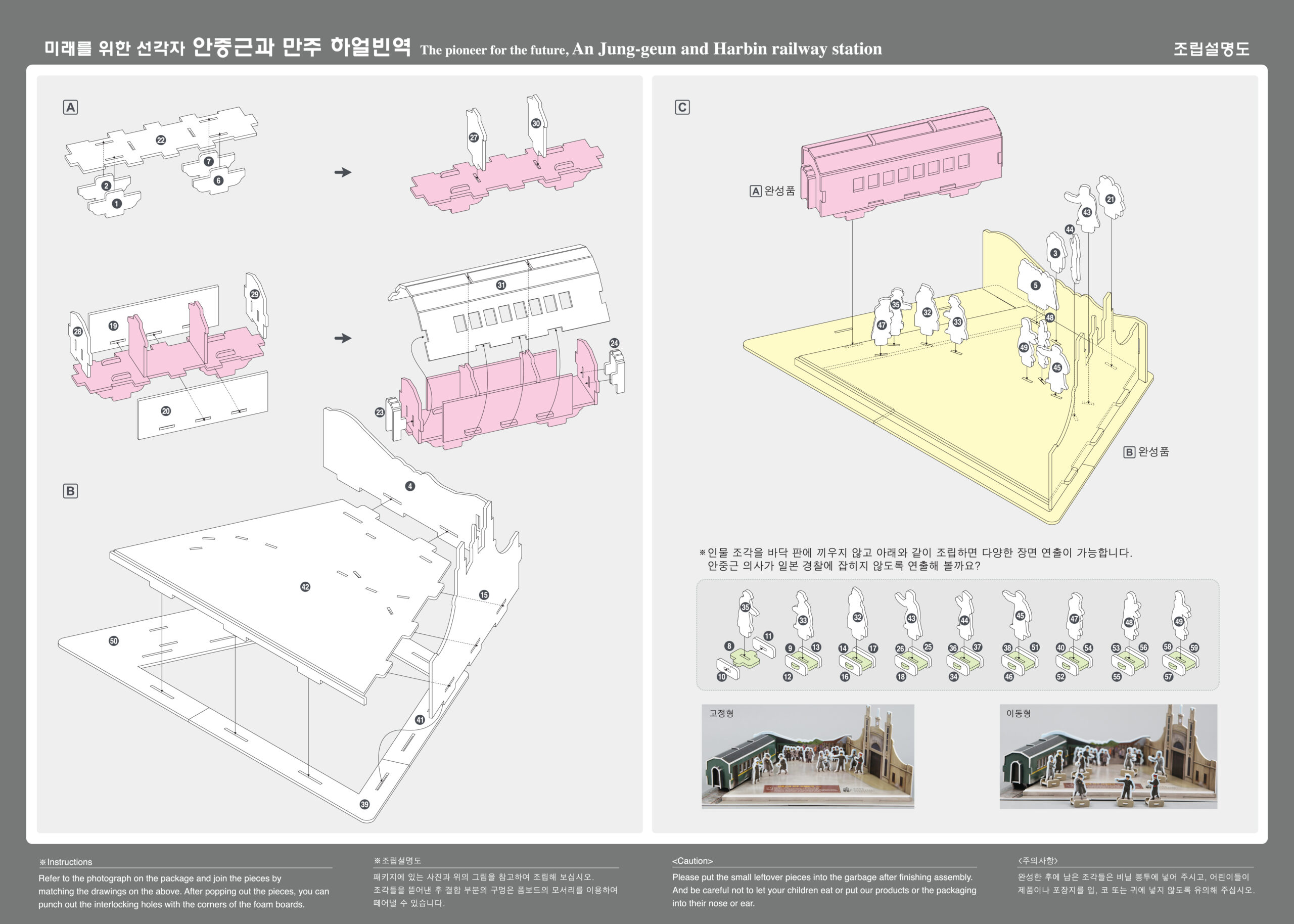
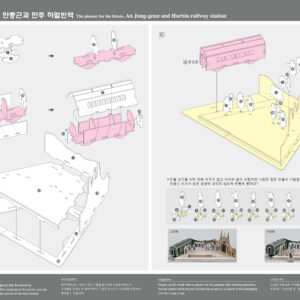
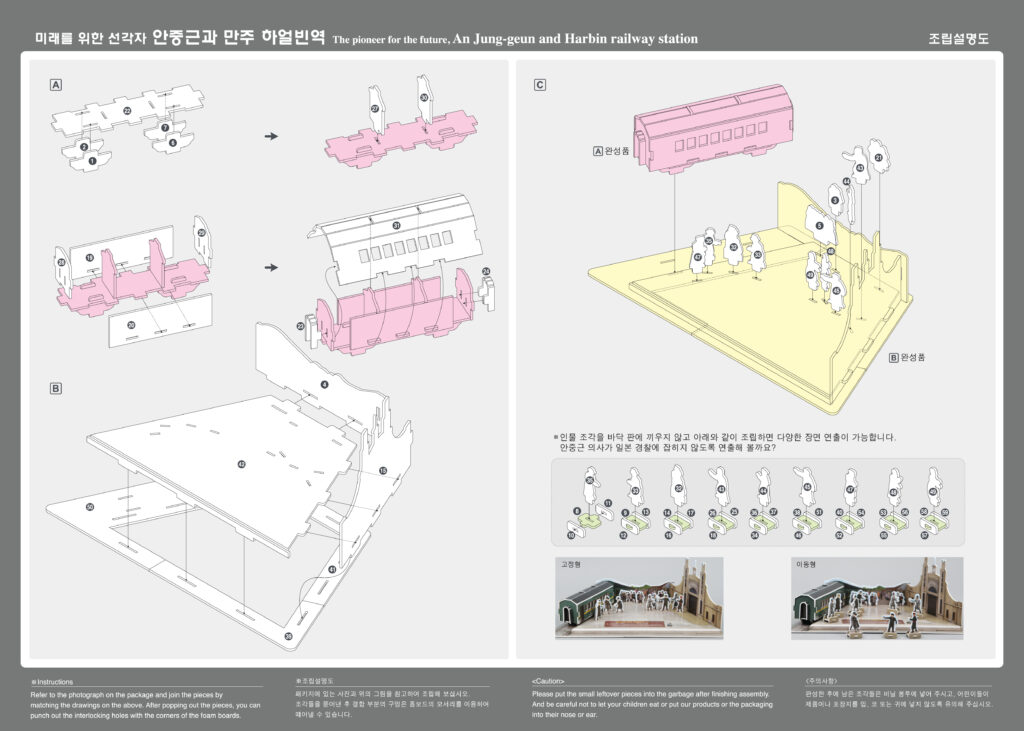
How To Make
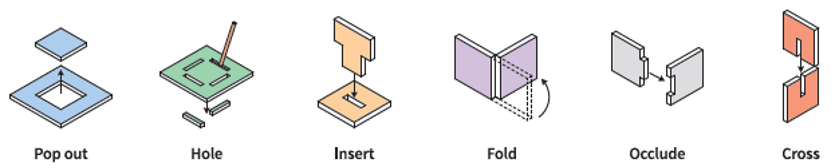
Instructions
Why do you need 3D Puzzle

3D Puzzles enhances problem-solving skills, scientific thinking, and creativity, making them highly beneficial for STEM (Science, Technology, Engineering, and Mathematics).
What Our Customers Say
Explore why enthusiasts rave about building 3D puzzle. Here are some stories from our satisfied customers!
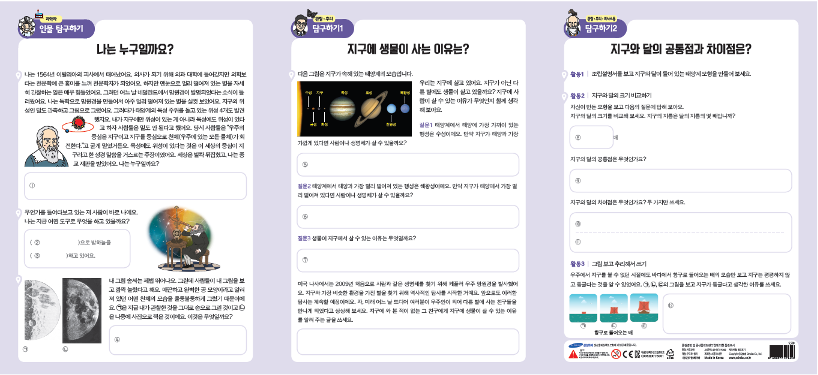
Student Worksheet & Answer Sheet Download
Certification

Reviews
There are no reviews yet.