
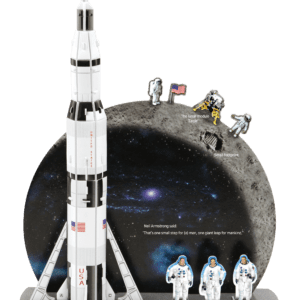
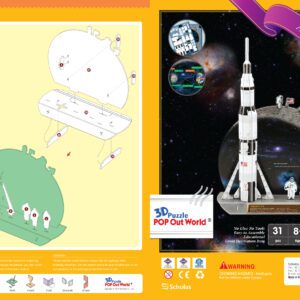


Description
Apollo 11
| 31 | 8+ | ★★★☆ ☆☆☆ | 198x72x286(mm) | 300×210(mm) x 2Sheets |
| PCS | Ages | Difficulty | Assembled Size | Board Size |
Summery of key features
- No. SE12-0352
- Assembled Size: 198x72x286(mm)
3D Puzzle
Learning Through Play
Best Hands-on Education
We believe in
Hands-On Education
Hands-on learning is the best approach to learning rather than just being taught the theory via books.
Information
Apollo 11
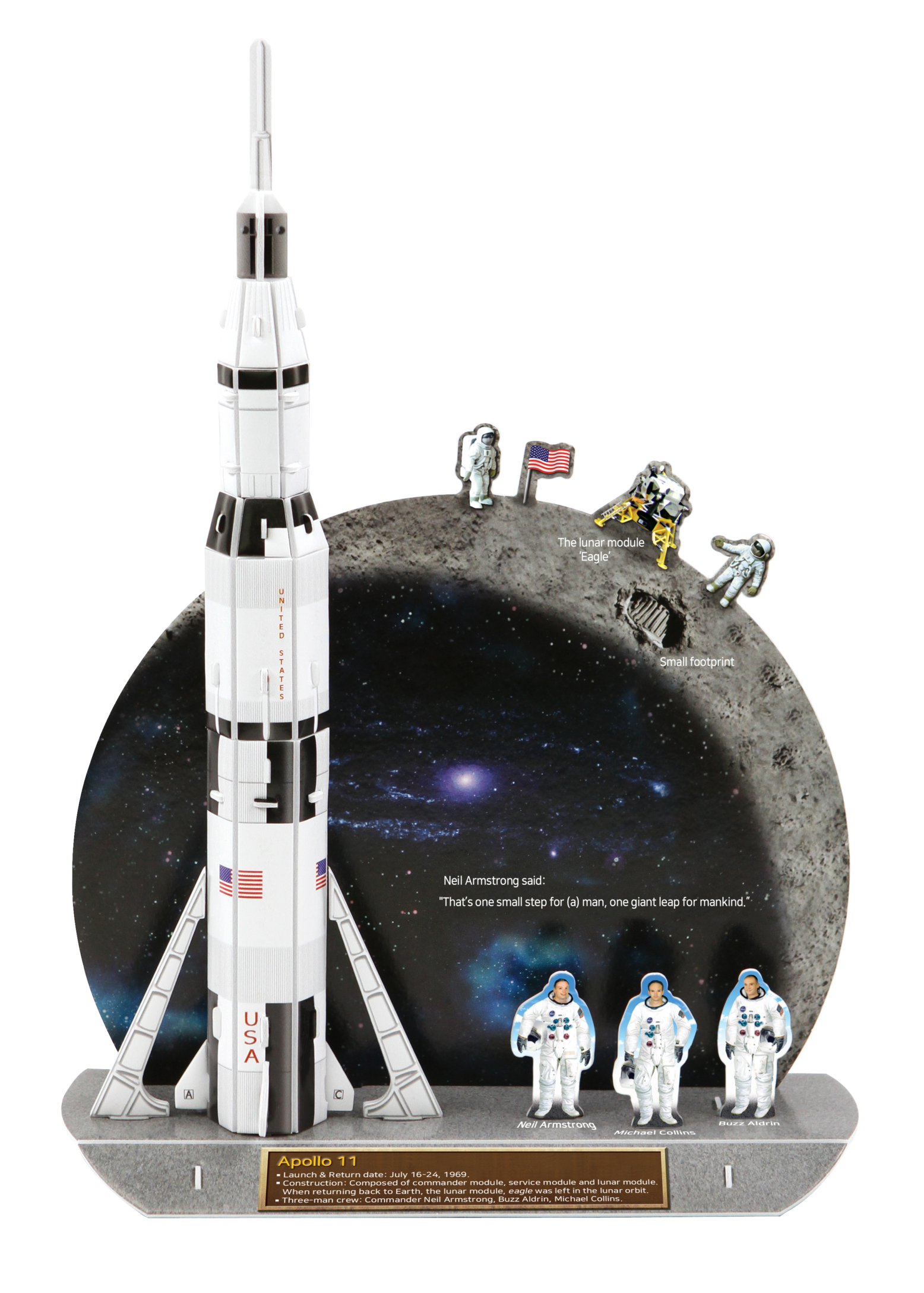
Apollo 11 was a historic space mission that achieved the first manned lunar landing in 1969. Let’s explore this remarkable journey in a way that’s easy to understand.
The Mission and Its Crew
Apollo 11 was launched by NASA, the American space agency, on July 16, 1969. The spacecraft carried three astronauts: Neil Armstrong, Buzz Aldrin, and Michael Collins. Their goal was to land on the Moon and return safely to Earth.
Journey to the Moon
The spacecraft took about four days to travel from Earth to the Moon. During this time, the crew conducted various checks to ensure everything was functioning properly. Michael Collins remained in the Command Module, orbiting the Moon, while Neil Armstrong and Buzz Aldrin descended to the lunar surface in the Lunar Module, named “Eagle.”
First Steps on the Moon
On July 20, 1969, Neil Armstrong became the first person to step onto the Moon’s surface, followed by Buzz Aldrin. Armstrong famously said, “That’s one small step for [a] man, one giant leap for mankind.” They spent about two and a half hours exploring, conducting experiments, and collecting lunar rocks and soil samples.
Return to Earth
After their successful exploration, Armstrong and Aldrin returned to the Lunar Module and reunited with Collins in the Command Module. The crew then began their journey back to Earth, safely landing in the Pacific Ocean on July 24, 1969. This mission was a significant achievement in human history, demonstrating the possibilities of space exploration.
How To Make
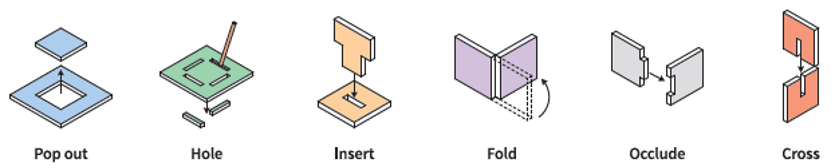
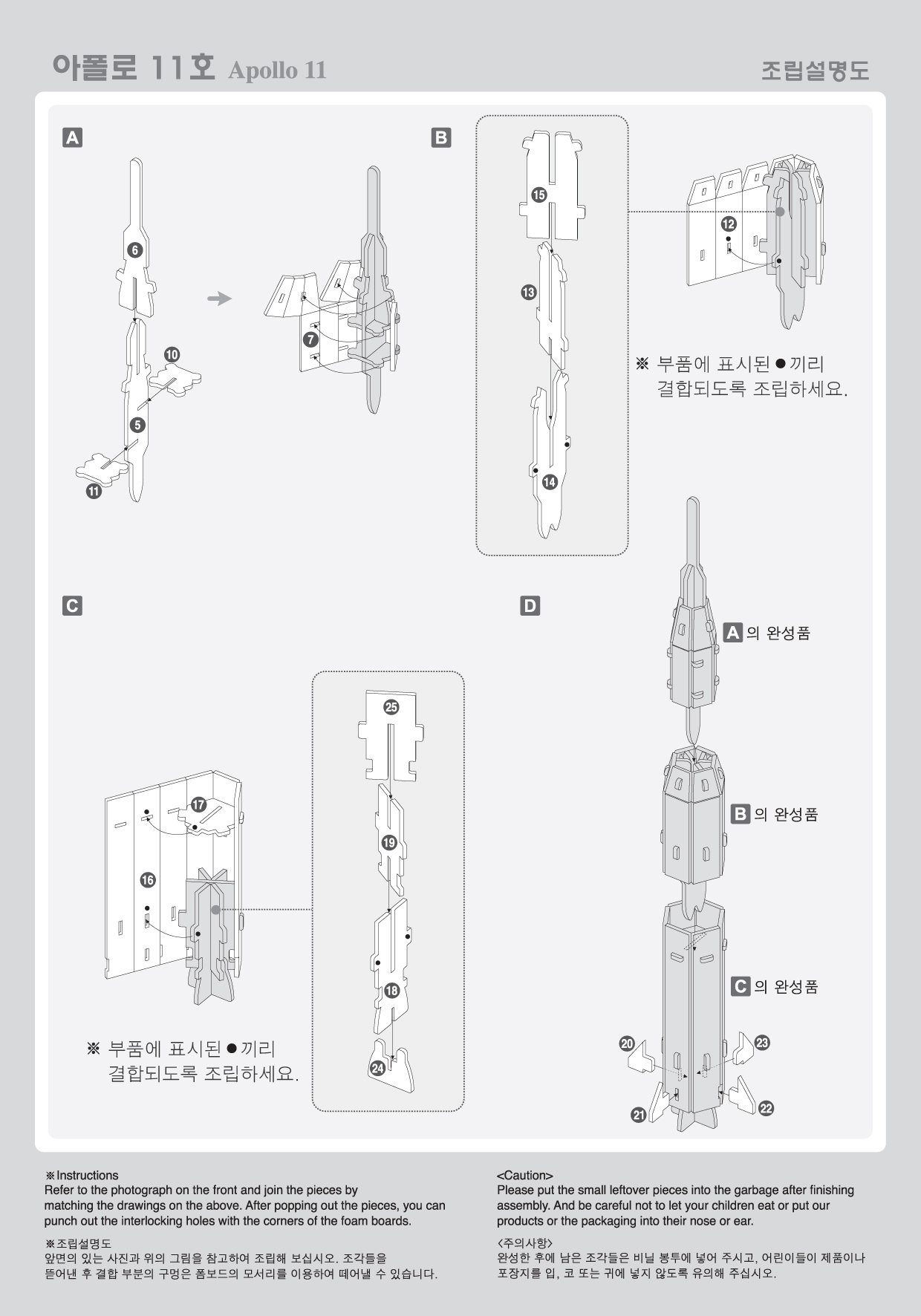
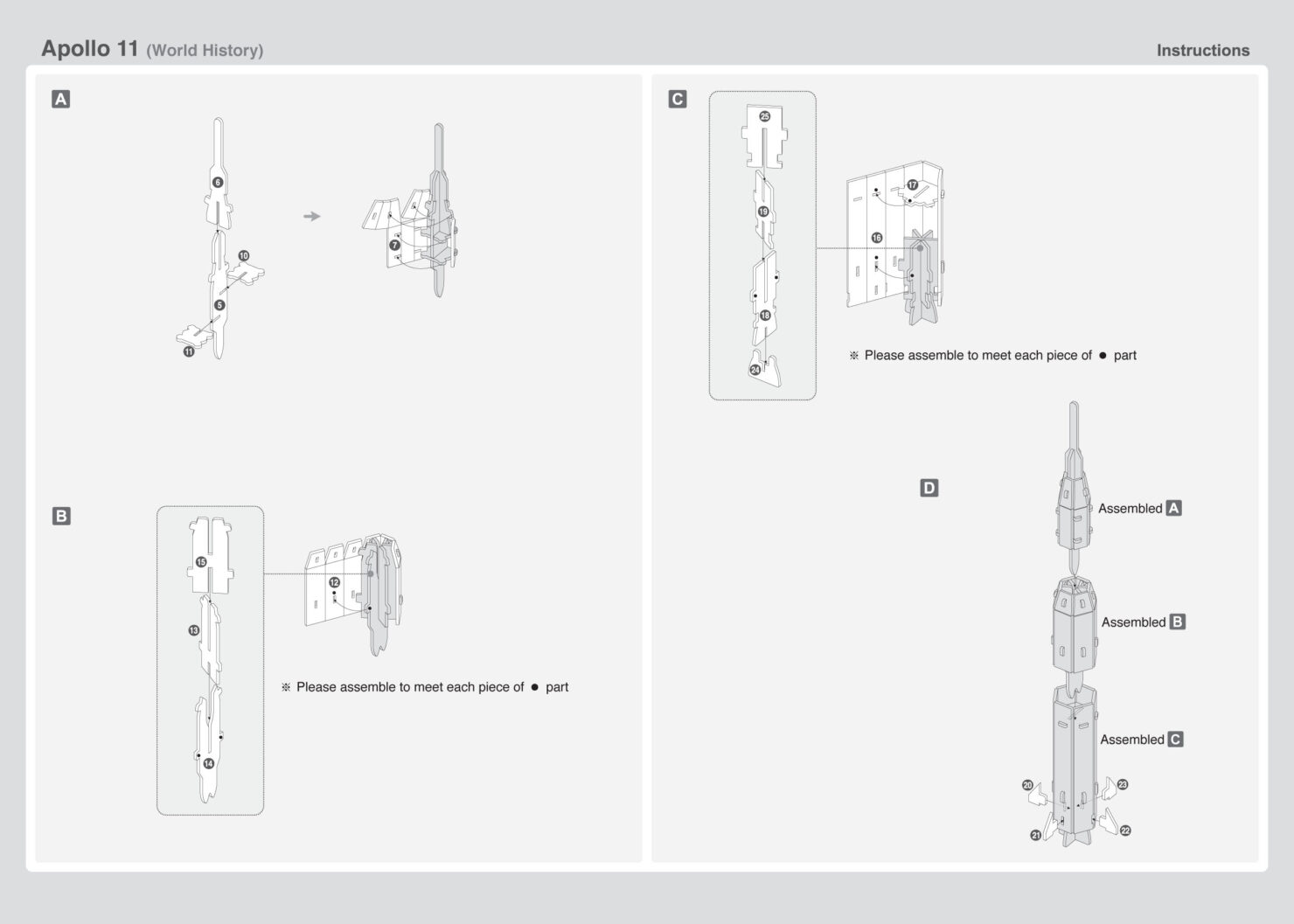
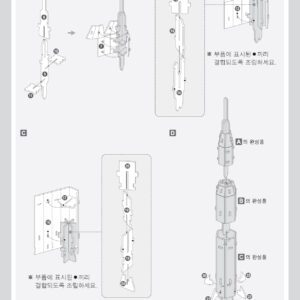
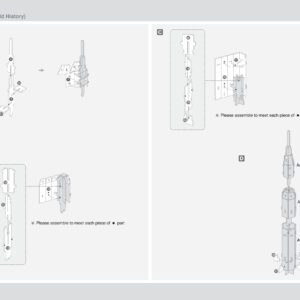
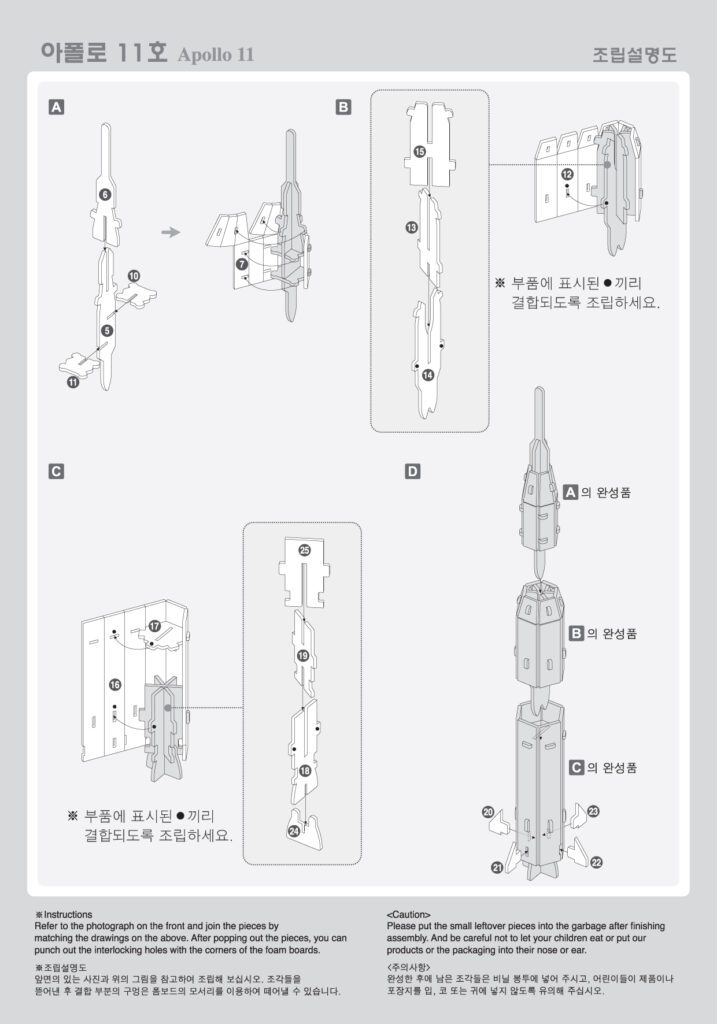
Instructions
Why do you need 3D Puzzle
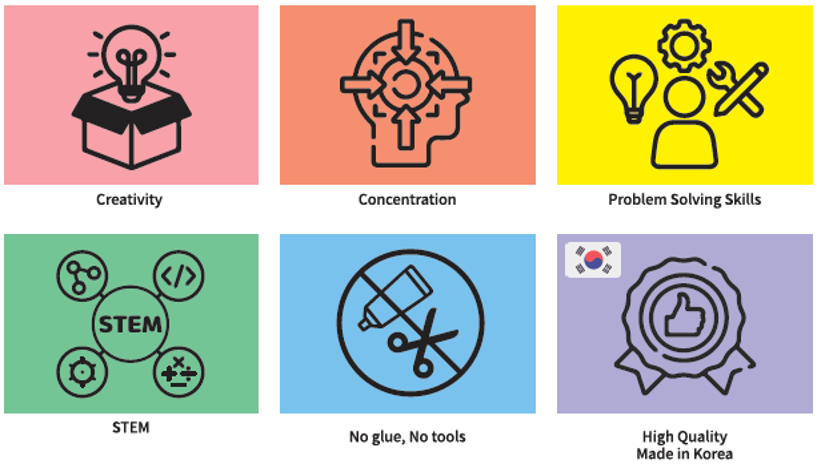
3D Puzzles enhances problem-solving skills, scientific thinking, and creativity, making them highly beneficial for STEM (Science, Technology, Engineering, and Mathematics).
What Our Customers Say
Explore why enthusiasts rave about building Big Ben. Here are some stories from our satisfied customers!
Student Worksheet & Answer Sheet Download
Certification


Reviews
There are no reviews yet.