
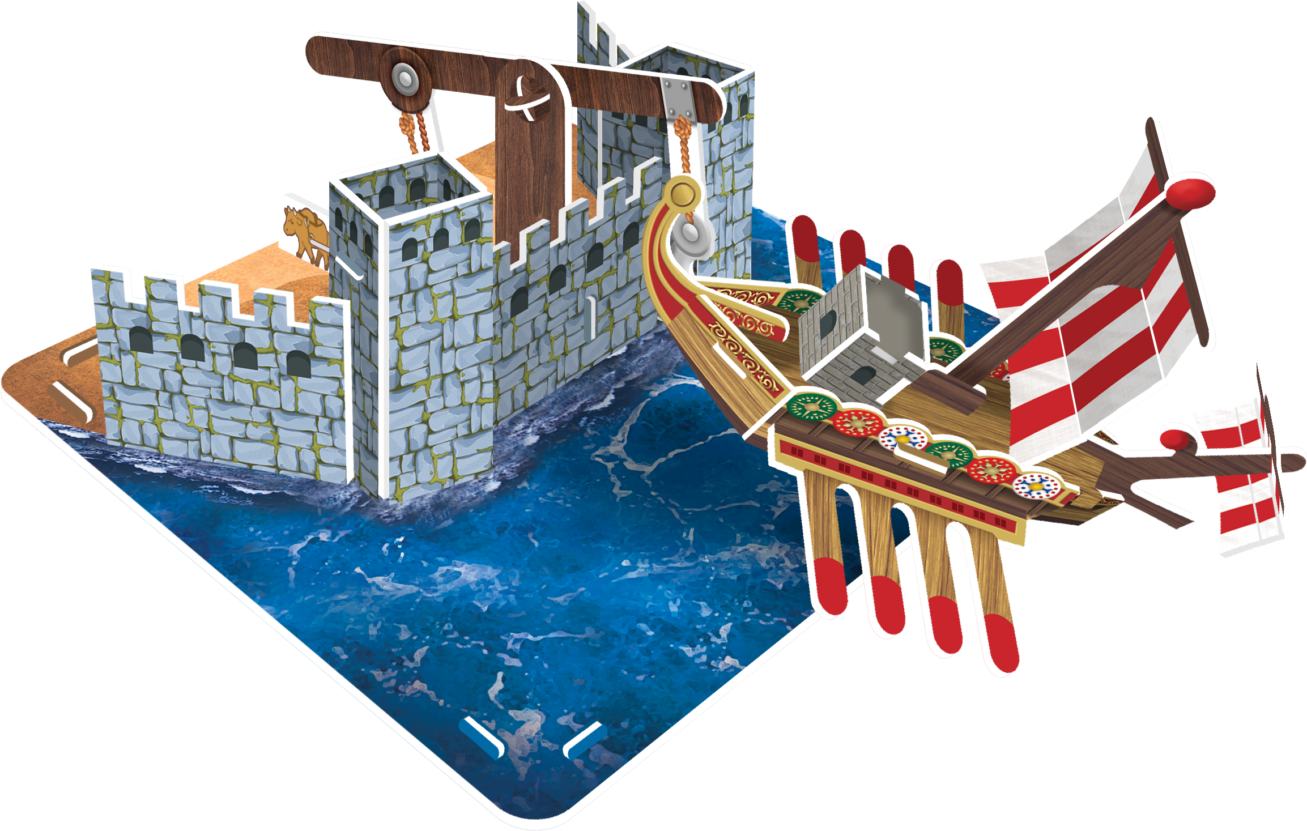


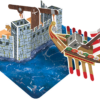

Description
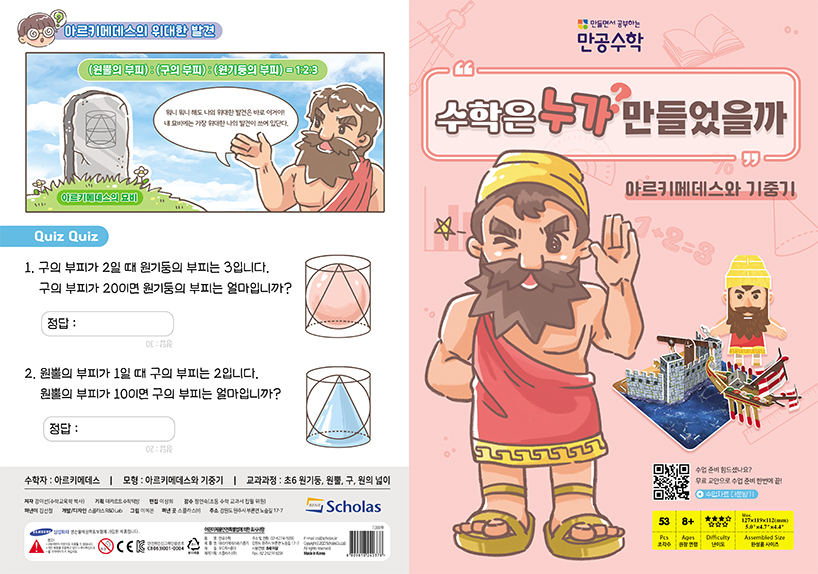
Archimedes and the Crane
| 53 | 8+ | ★★★☆ ☆☆☆ | Max. 127x119x112(mm) | 300×210(mm) x 2Sheets |
| PCS | Ages | Difficulty | Assembled Size | Board Size |
Summery of key features
- No. SESM23-004
- Assembled Size: 127x119x112(mm)
3D Puzzle
Learning Through Play
Best Hands-on Education
We believe in
Hands-On Education
Hands-on learning is the best approach to learning rather than just being taught the theory via books.
Information
Archimedes and the Crane1
Discover the genius of Archimedes and the power of simple machines by building your own ancient crane.
This educational kit introduces students to core physics concepts such as levers, pulleys, mechanical advantage, and force distribution.
By constructing a model crane inspired by Archimedes’ designs, learners explore how simple machines make work easier by reducing the amount of force needed.
The included quiz deepens understanding through questions about how levers and pulleys function, how force and distance are related, and how these tools are used in real life.
Students also learn about Archimedes’ contributions to science and engineering, connecting history with hands-on STEM learning.
Illustrations and interactive prompts guide learners to observe how changing the position of the fulcrum or using multiple pulleys affects lifting power.
By adjusting and testing their crane design, students engage in engineering thinking, experimentation, and problem-solving.
This set encourages curiosity about classical inventions and how ancient principles still influence modern technology.
Perfect for science, history, and engineering lessons, the kit blends creative construction with conceptual understanding through an engaging quiz experience.
Archimedes and the Crane2
Archimedes was a brilliant scientist and inventor from ancient Greece, known for his work in mathematics, physics, and engineering. One of his most famous inventions is the Claw of Archimedes, a device designed to defend his city, Syracuse, from enemy ships.
Who Was Archimedes?
Born around 287 BC in Syracuse, a city on the island of Sicily, Archimedes made significant contributions to various fields of science. He is best known for:
Mathematics: Archimedes developed important theories in geometry, such as understanding the relationship between the surface area and volume of a sphere and its surrounding cylinder.
Physics: He discovered the principle of buoyancy, now known as Archimedes’ principle, which explains why objects float or sink in water.
Engineering: Archimedes invented devices like the Archimedes screw, used to raise water for irrigation, and various war machines to protect his city.
The Claw of Archimedes
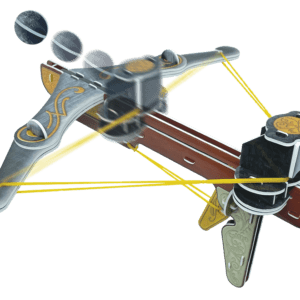
The Claw of Archimedes was a weapon designed to defend Syracuse from naval attacks. It functioned like a large crane with a grappling hook. When enemy ships approached, the claw would reach over the city walls, grab the ships, lift them out of the water, and either tip them over or drop them, causing significant damage or sinking them.
This invention showcased Archimedes’ ingenuity in using simple machines like levers and pulleys to create powerful defensive tools. His understanding of mechanical advantage allowed him to design devices that could move heavy objects with minimal effort.
Archimedes’ Legacy
Archimedes’ work has had a lasting impact on science and engineering. His inventions and discoveries laid the foundation for many modern technologies. For example, the principles behind the Claw of Archimedes are similar to those used in modern cranes and lifting devices.
Additionally, his mathematical theories have been essential in the development of calculus and geometry. Archimedes’ ability to apply mathematical concepts to solve practical problems exemplifies the importance of mathematics in understanding and shaping the world around us.
To learn more about Archimedes and his contributions, you might find this video helpful:
https://youtu.be/czCFrrX5M3U?si=nrpjeBl-YTMy722J
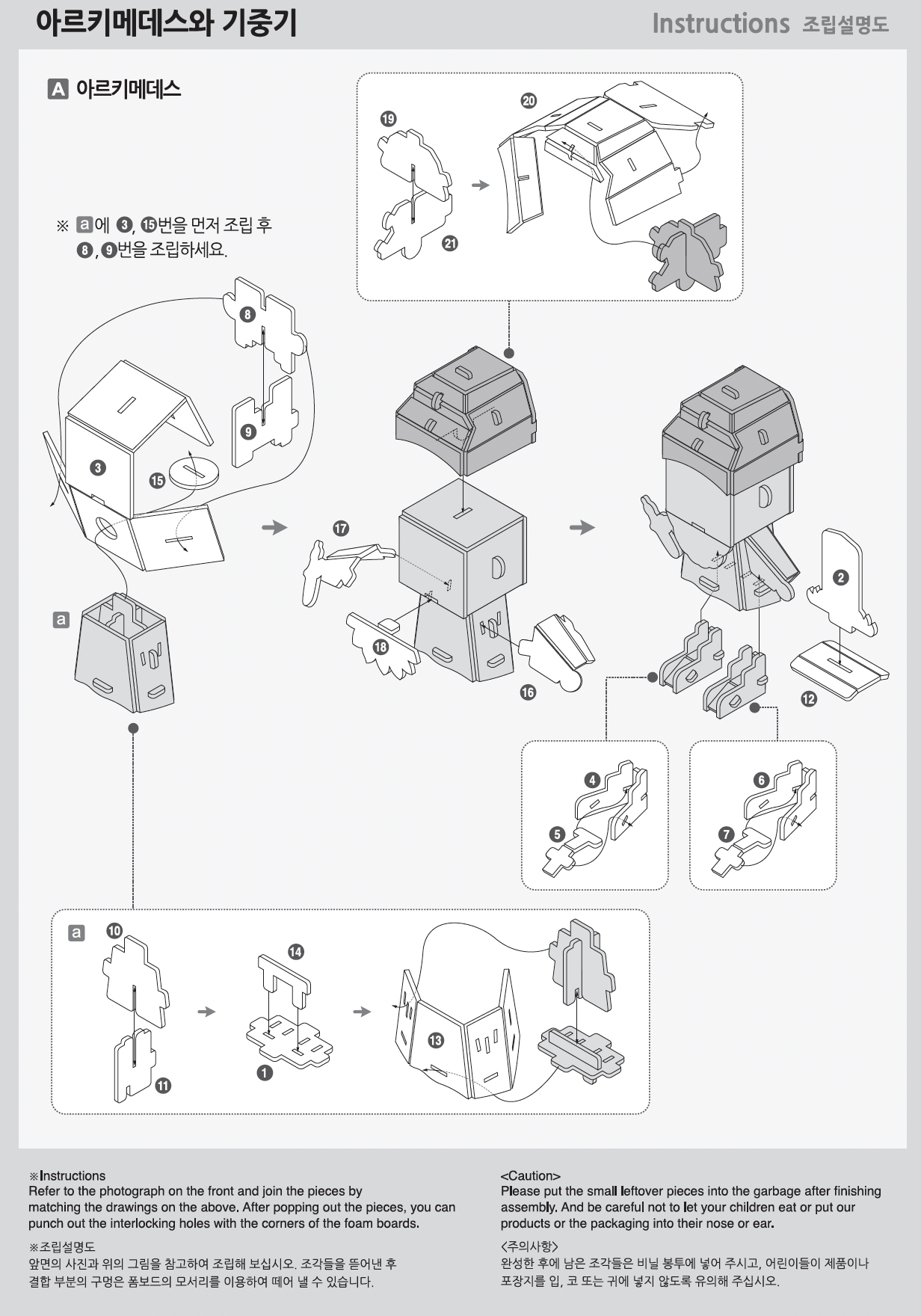
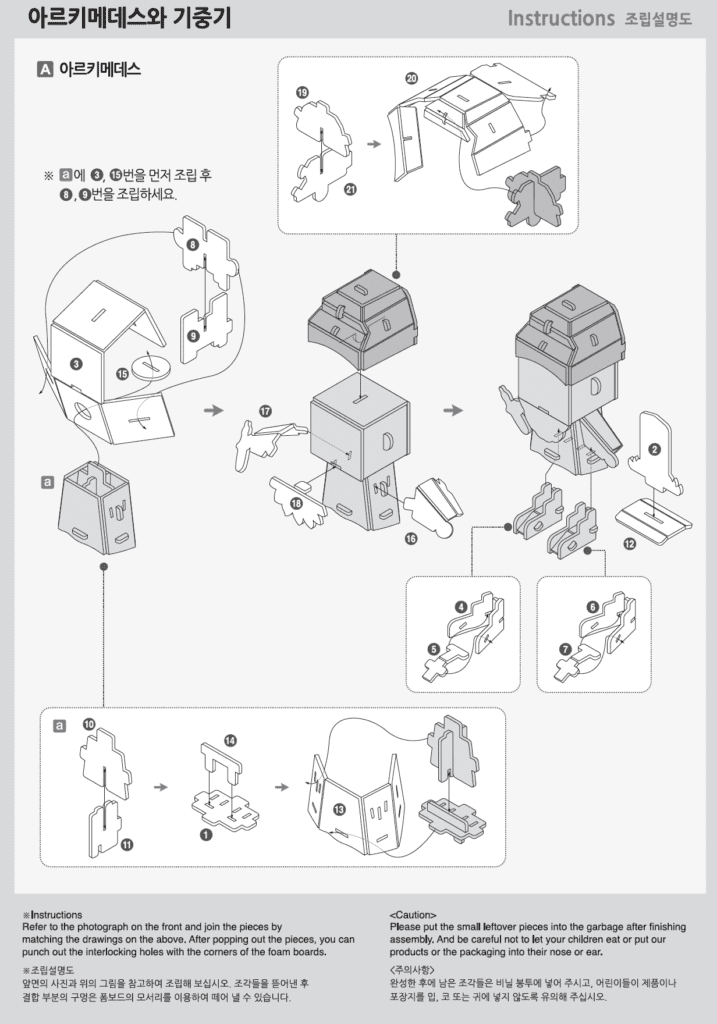
How To Make
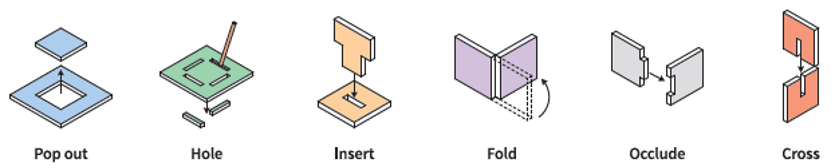
Instructions
Why do you need 3D Puzzle
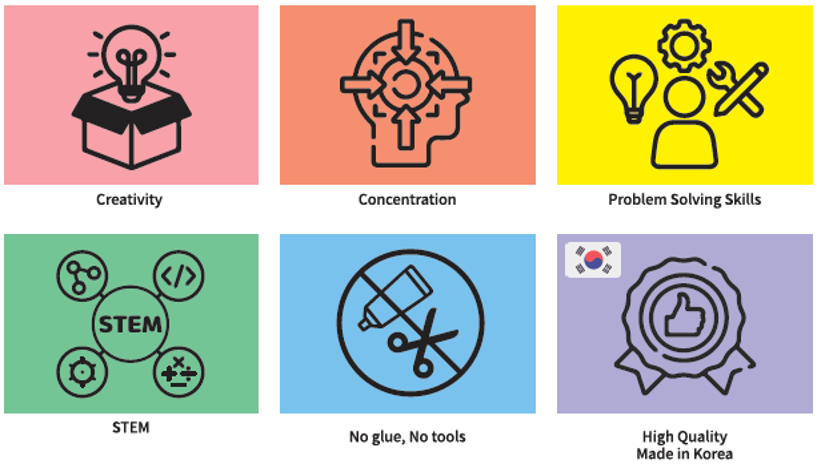
3D Puzzles enhances problem-solving skills, scientific thinking, and creativity, making them highly beneficial for STEM (Science, Technology, Engineering, and Mathematics).
What Our Customers Say
Explore why enthusiasts rave about building Big Ben. Here are some stories from our satisfied customers!
Student Worksheet & Answer Sheet Download
Certification



Reviews
There are no reviews yet.