
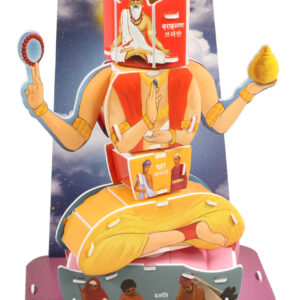



Description
Caste
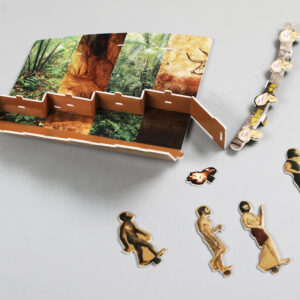
| 34 | 8+ | ★★★☆ ☆☆☆ | 124x117x174(mm) | 300×210(mm) x 2Sheets |
| PCS | Ages | Difficulty | Assembled Size | Board Size |
Summery of key features
- No. SE12-0337
- Assembled Size: 124x117x174(mm)
3D Puzzle
Learning Through Play
Best Hands-on Education
We believe in
Hands-On Education
Hands-on learning is the best approach to learning rather than just being taught the theory via books.
Information
Caste
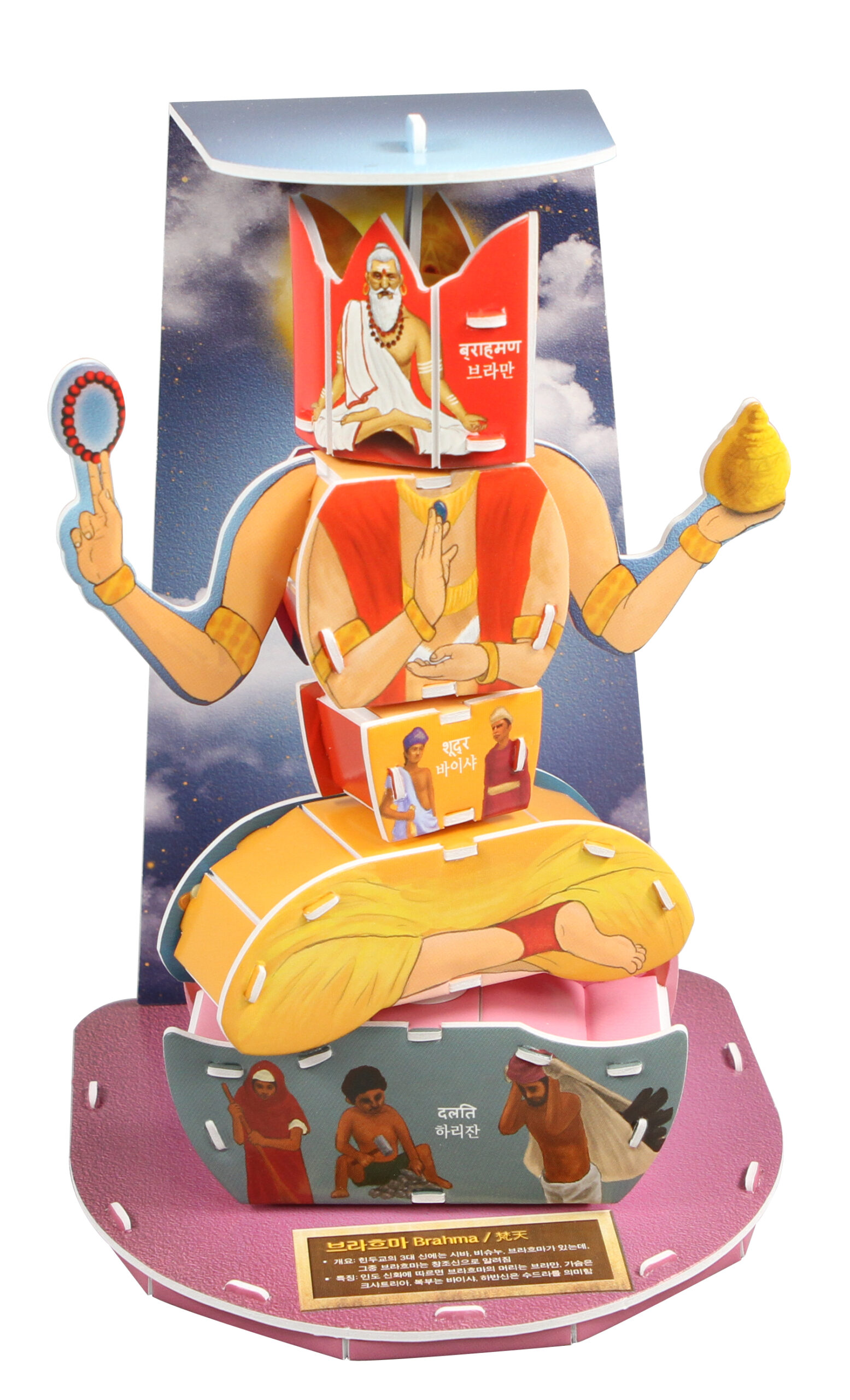
The caste system is a way of organizing people into different social groups, or “castes,” based on their family background, job, and social status. This system has been especially important in India, where it has influenced people’s lives for thousands of years.
Main Castes in the System
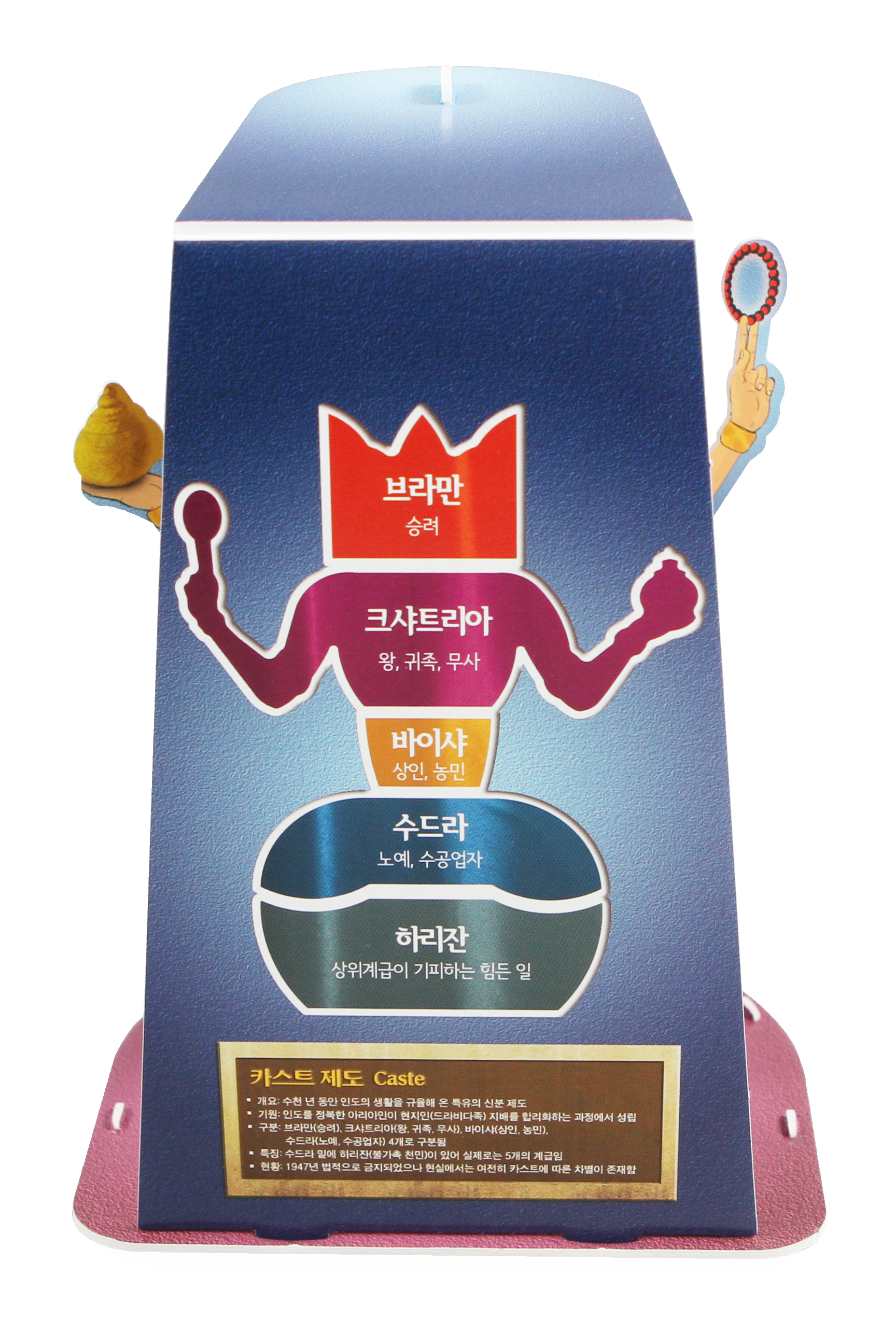
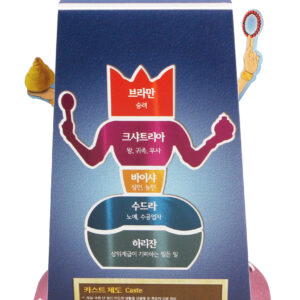
In India, the caste system traditionally includes four main groups, known as “varnas”:
Brahmins: These are priests and teachers. They are considered the highest caste and are responsible for religious rituals and teaching.
Kshatriyas: This group includes warriors and rulers. Their main role is to protect and govern society.
Vaishyas: These are farmers, traders, and merchants. They are responsible for agriculture and commerce.
Shudras: This group consists of laborers and service providers. They perform various manual jobs and services.
Below these four varnas is a group that was traditionally called the “Untouchables,” now often referred to as Dalits. They were assigned tasks considered impure, such as cleaning and handling dead animals, and faced significant discrimination.
How the Caste System Affects People’s Lives
In the traditional caste system, people are born into a caste and usually stay in that caste for their entire lives. This means their caste can determine their job, who they can marry, and who they can socialize with. For example, a person born into a family of farmers (Vaishyas) would typically become a farmer and marry someone from the same caste.
Changes Over Time
Over the years, there have been efforts to reduce the importance of the caste system and promote equality. Leaders like Mahatma Gandhi worked to end caste discrimination and improve the lives of those in lower castes. Today, India’s constitution prohibits caste-based discrimination, and there are laws in place to protect people’s rights, regardless of their caste.
Understanding the Caste System Today
While the caste system has less influence in modern times, especially in urban areas, it still affects some aspects of life in India. Understanding this system helps us learn about India’s history and the ways in which societies can change over time.
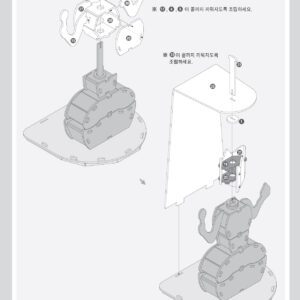
How To Make
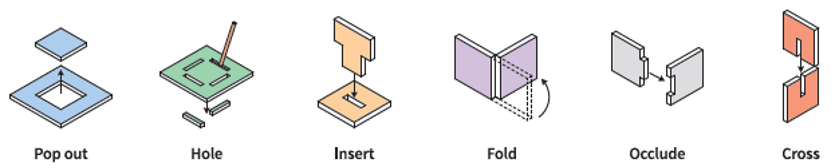
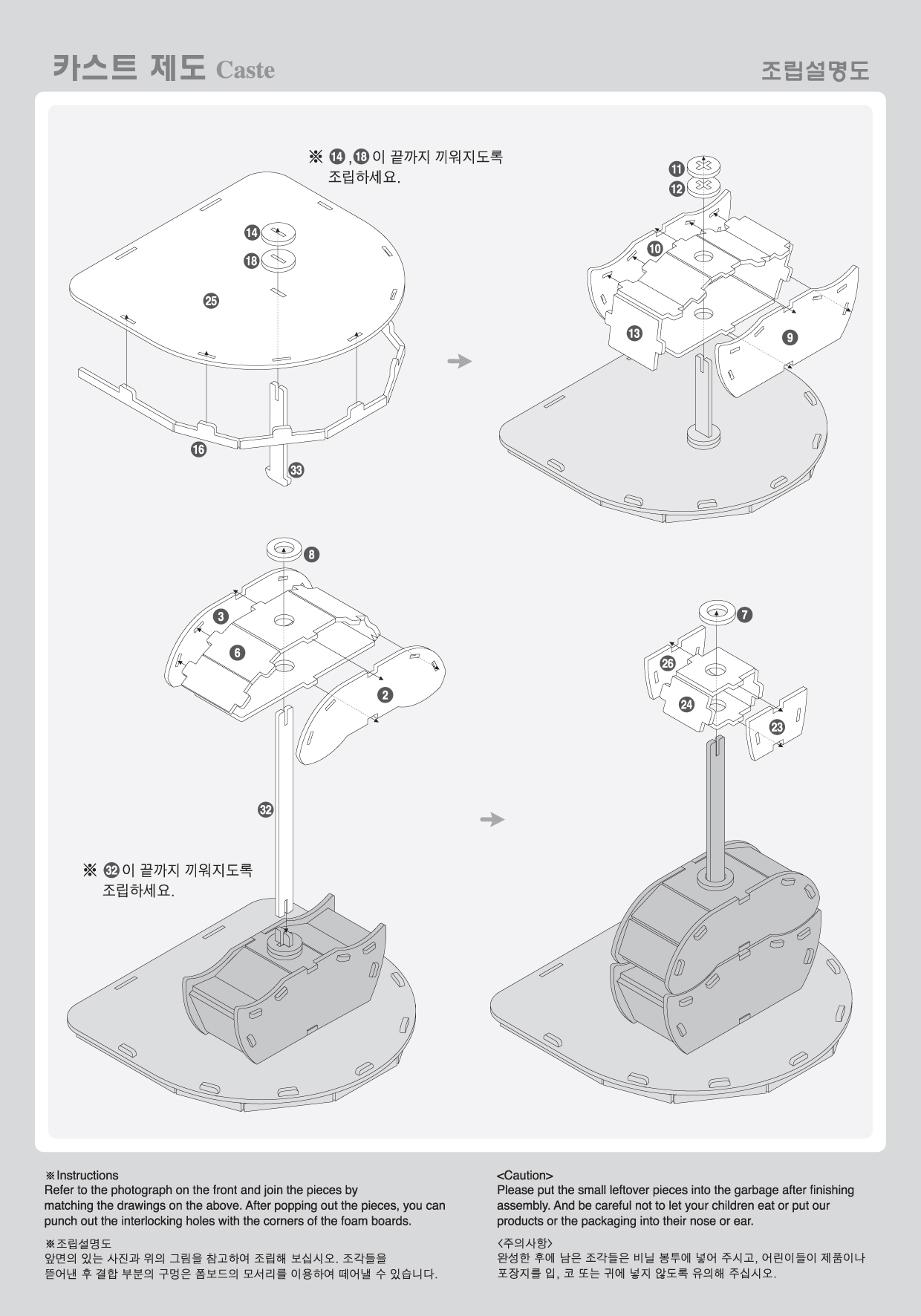
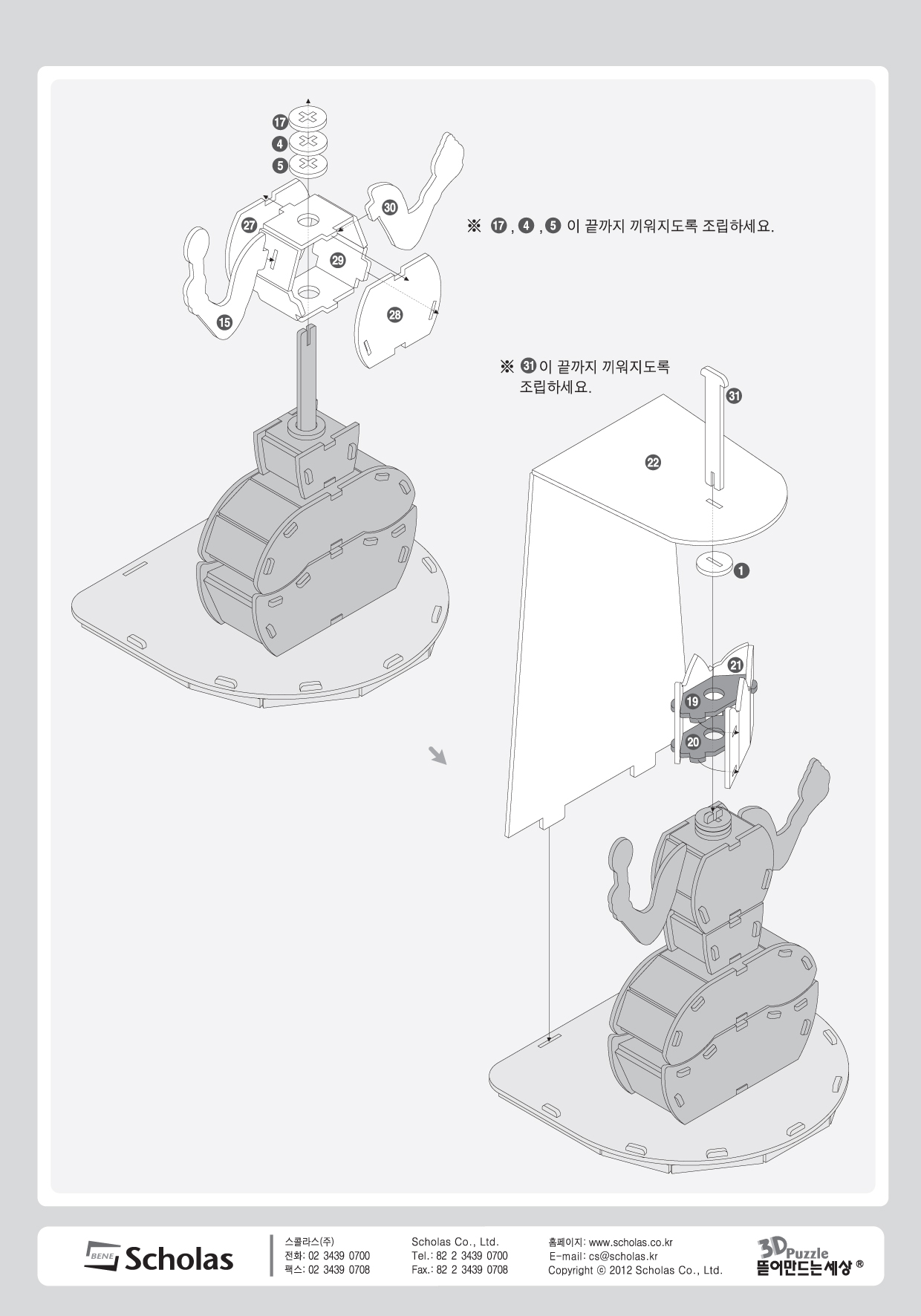
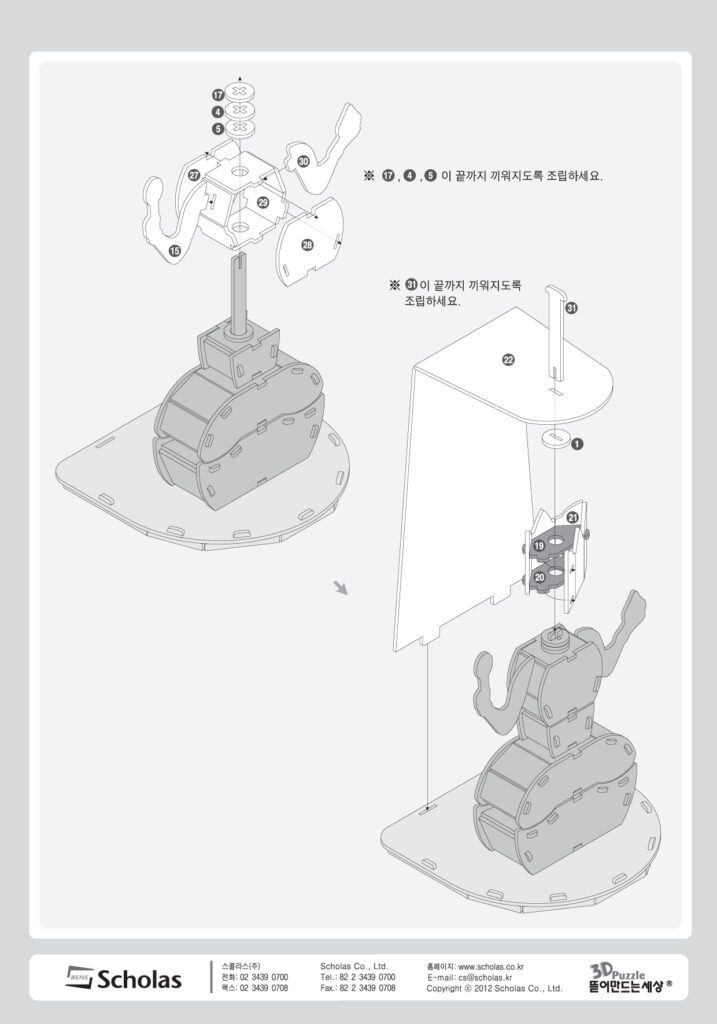
Instructions
Why do you need 3D Puzzle
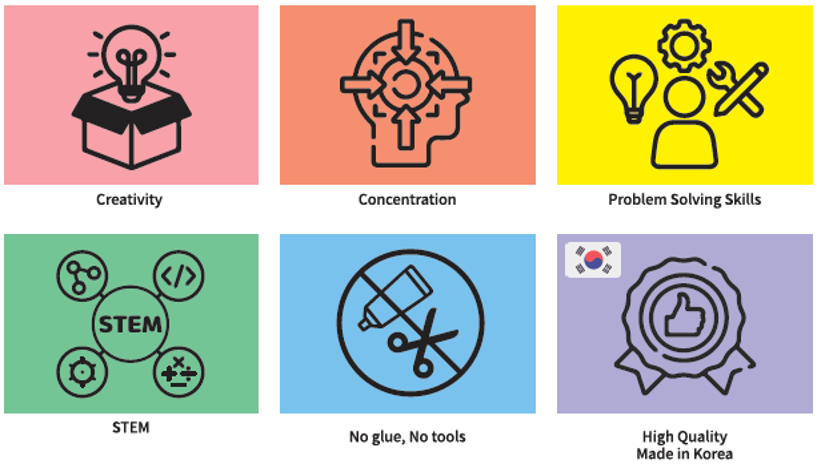
3D Puzzles enhances problem-solving skills, scientific thinking, and creativity, making them highly beneficial for STEM (Science, Technology, Engineering, and Mathematics).
What Our Customers Say
Explore why enthusiasts rave about building Big Ben. Here are some stories from our satisfied customers!
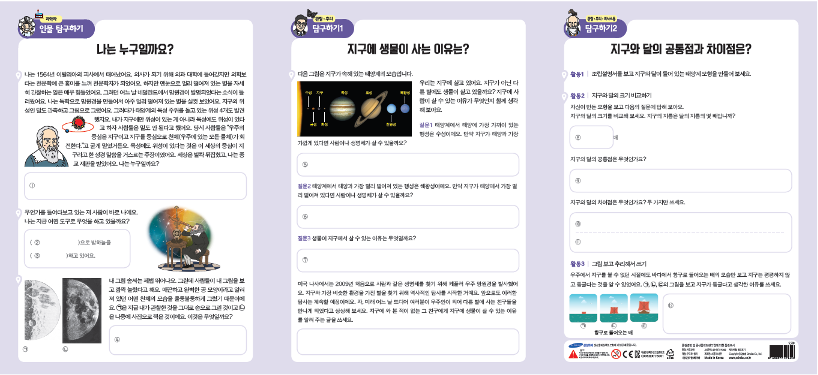
Student Worksheet & Answer Sheet Download
Certification


Reviews
There are no reviews yet.