

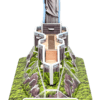
Description
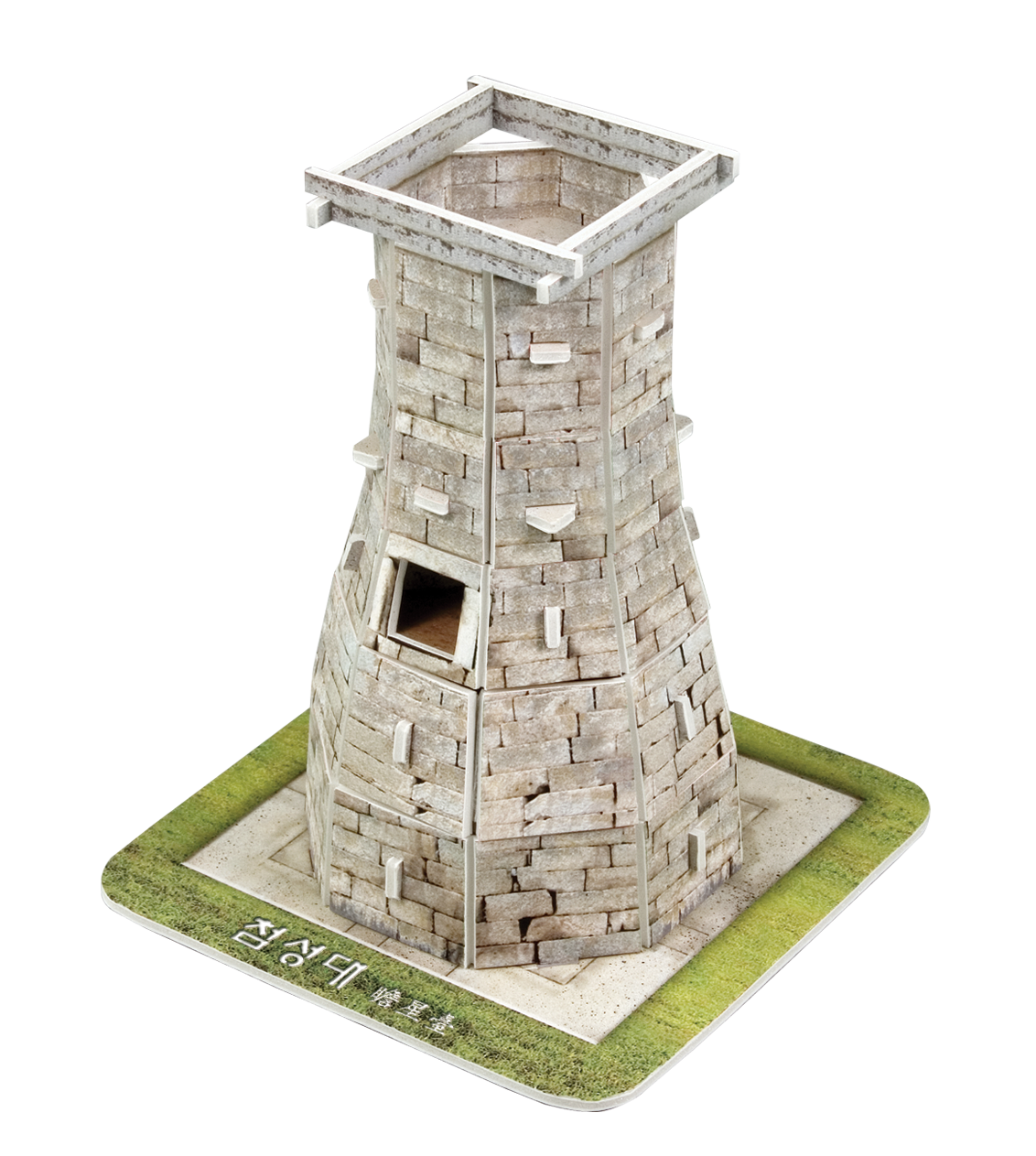
Cheomseongdae
Category: K-history
Model Name: Cheomseongdae
Model No.: HS20-014
PCS: 32
Ages: 8+
Difficulty: ★★★☆☆☆☆
Assembled Size: 99x124x135
Board Size: 300×210
Product Contents: Puzzle Board, Instruction Sheet
| 32 | 8+ | ★★★☆ ☆☆☆ | 99x124x135(mm) | 300×210(mm) x 2Sheets |
| PCS | Ages | Difficulty | Assembled Size | Board Size |
Summery of key features
- No. HS20-014
- Board Size: 300×210(mm)x2Sheets
3D Puzzle
Learning Through Play
Best Hands-on Education
We believe in
Hands-On Education
Hands-on learning is the best approach to learning rather than just being taught the theory via books.
Information
Cheomseongdae (Gyeongju Cheomseongdae)
1. What Is Cheomseongdae?
Cheomseongdae (Gyeongju Cheomseongdae) is a stone observatory from the middle period of the Silla Kingdom, located northeast of Banwolseong Fortress in Gyeongju. It is believed to have been built during the reign of Queen Seondeok. Cheomseongdae is recognized as the oldest surviving astronomical observatory in East Asia and has been designated as Korea’s National Treasure No. 31.
2. Was Cheomseongdae Really an Observatory?
If Cheomseongdae was truly an observatory, wouldn’t it have been built on a mountain like modern observatories to make stargazing easier? Interestingly, Cheomseongdae stands on a flat plain. It’s also quite small—barely enough space for a few people to stand inside—raising questions about whether it was actually used for astronomical observation.
Could it have been a gnomon for measuring the 24 solar terms, a sundial, or even a religious symbol modeled after Mount Sumeru in Buddhist cosmology? While its exact purpose remains uncertain, the most widely accepted theory is that Cheomseongdae was indeed used for observing the stars, as its location on flat land still offered a clear view of the sky.
3. What Is the Structure of Cheomseongdae?
Cheomseongdae is a cylindrical stone structure less than 10 meters tall, but it holds many hidden secrets. It was built using approximately 360 granite blocks—symbolizing the number of days in a lunar year.
Above the base, 27 layers of bottle-shaped stones were stacked, topped with a square-shaped stone resembling the Chinese character 井 (jeong), making a total of 28 layers. The number 28 represents the traditional 28 constellations.
The structure is divided into an upper and lower section of 12 layers each, based on the central window. These 12 layers correspond to the 12 months of the year, and together they represent the 24 solar terms.
Isn’t that fascinating? Even more impressive is that the way sunlight enters Cheomseongdae and casts shadows on the floor has been proven to allow measurement of the equinoxes and solstices—spring equinox, summer solstice, autumn equinox, and winter solstice.
4. Why Did Ancient People Observe and Record Celestial Phenomena?
In Goguryeo, star charts were created and constellations were painted on tomb walls. During the 7th century, under Queen Seondeok of Silla, astronomical observation was actively conducted.
Why were ancient people so interested in celestial phenomena? There were two major reasons:
First, agriculture. Farming depended heavily on seasons and weather. Knowing when to plant and harvest, and predicting floods or droughts, was essential for survival and planning.
Second, royal authority. Kings sought to connect their rule with the heavens. They believed that understanding celestial movements reinforced their legitimacy and divine right to govern.
5. What About Cheomseongdae in the Goryeo Dynasty?
Was Cheomseongdae unique to Silla? Not at all—Goryeo also had its own version of Cheomseongdae.
Goryeo’s Cheomseongdae is designated as National Treasure No. 131 in North Korea. It reveals that astronomical observation continued in Korea long after Silla. It is believed to have been built in the second year of King Taejo’s reign (919), when Yeongyeong Palace was established.
This Cheomseongdae was constructed with granite pillars placed on five square foundation stones, with a stone platform laid on top. The height from the ground to the platform is about 2.3 meters—roughly the height of an average adult or a professional basketball player. People likely used stepping stones or ladders to ascend.
Goryeo’s Cheomseongdae was located west of Manwoldae, the royal palace site in Gaeseong. Although the full structure no longer remains, the base that once supported astronomical instruments still exists.
During the Goryeo period, there was a government office called Sacheondae (also known as Seungwan), responsible for astronomy and calendrical science. Officials from this office are believed to have conducted observations at Cheomseongdae.
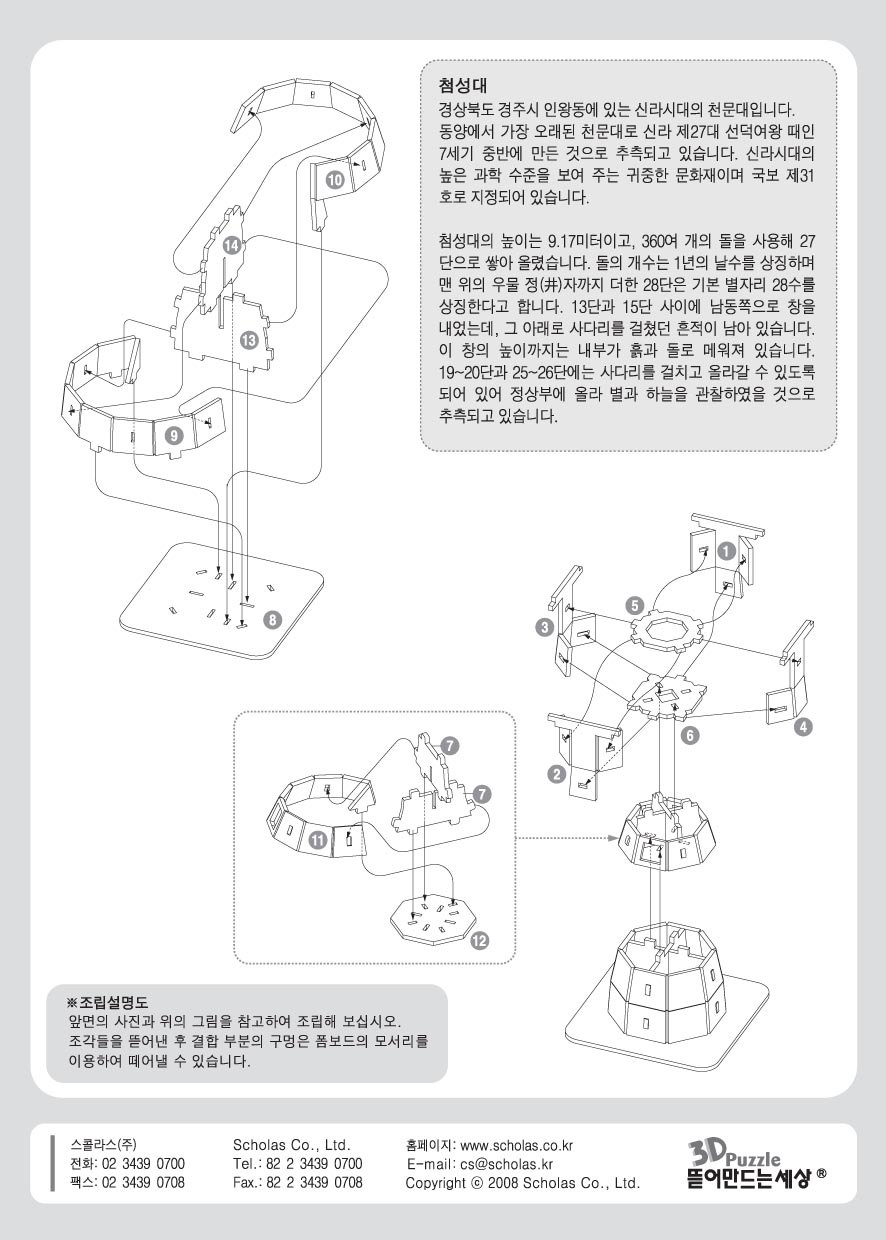
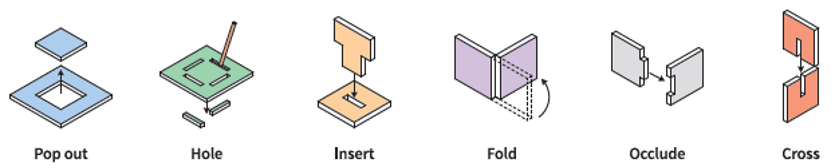
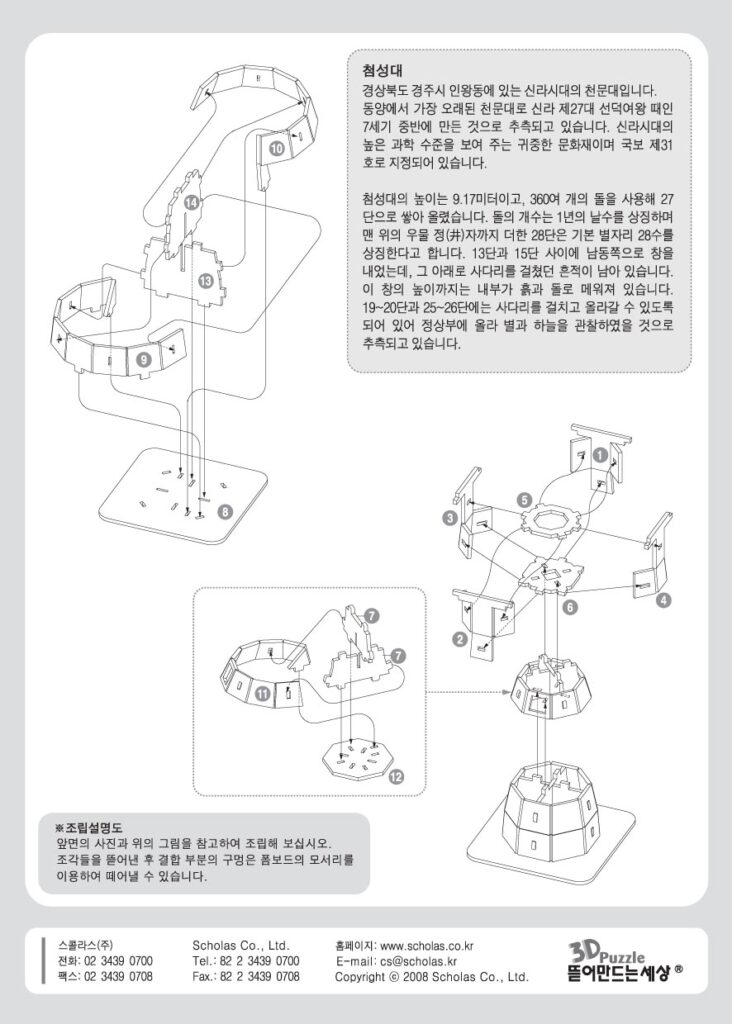
How To Make
Instructions
Why do you need 3D Puzzle

3D Puzzles enhances problem-solving skills, scientific thinking, and creativity, making them highly beneficial for STEM (Science, Technology, Engineering, and Mathematics).
What Our Customers Say
Explore why enthusiasts rave about building 3D puzzle. Here are some stories from our satisfied customers!
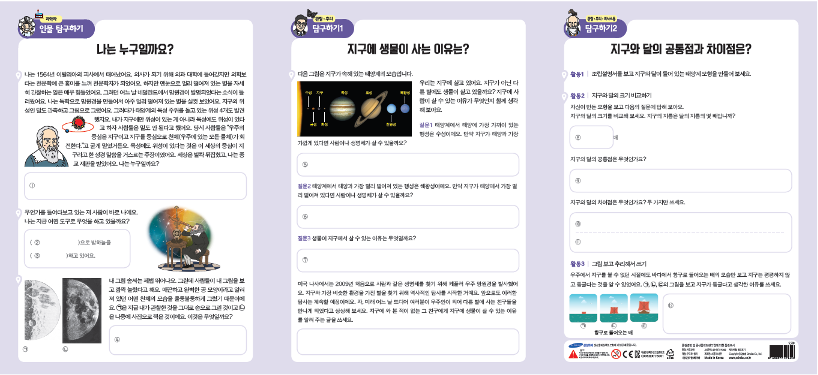
Student Worksheet & Answer Sheet Download
Certification

Reviews
There are no reviews yet.