
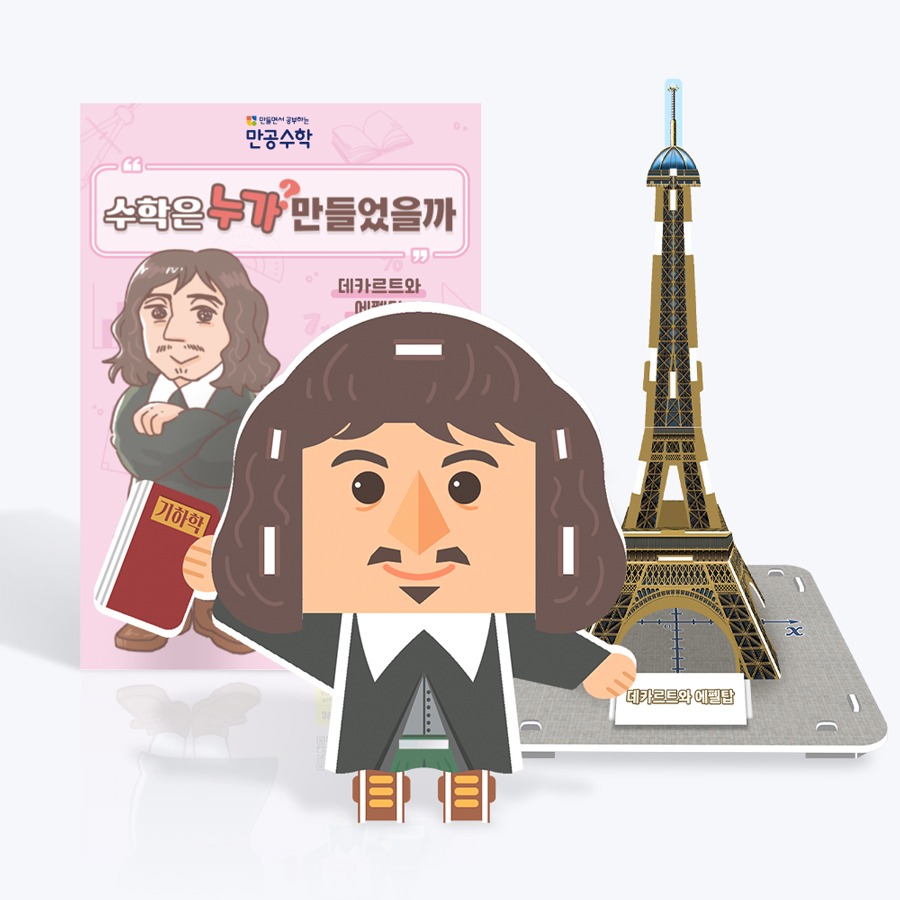



Description
Descartes and the Eiffel Tower
| 39 | 8+ | ★★★☆ ☆☆☆ | Max. 110x115x181(mm) | 300×210(mm) x 2Sheets |
| PCS | Ages | Difficulty | Assembled Size | Board Size |
Summery of key features
- No. SESM23-008
- Assembled Size: Max. 110x115x181(mm)
3D Puzzle
Learning Through Play
Best Hands-on Education
We believe in
Hands-On Education
Hands-on learning is the best approach to learning rather than just being taught the theory via books.
Information
Descartes and the Eiffel Tower1
Explore how mathematics can describe the world around us through the ideas of René Descartes and the iconic Eiffel Tower.
This educational kit introduces students to the Cartesian coordinate system—a powerful tool developed by Descartes to represent geometric figures using numbers.
Learners will understand how points, lines, and shapes can be plotted on a grid, and how this system forms the foundation of algebra, geometry, and modern graphing.
By connecting Descartes’ ideas to the design of the Eiffel Tower, students see how coordinates and symmetry are used in real-world structures.
The included quiz reinforces key concepts such as identifying coordinates, plotting points, understanding symmetry, and applying transformations on a grid.
Illustrated prompts guide students to analyze the Eiffel Tower’s structure and recognize how mathematical principles shape architectural beauty.
This activity blends history, math, and design—encouraging learners to apply logical reasoning and spatial thinking.
Perfect for math, engineering, and art integration, the kit fosters a deeper appreciation for how abstract ideas influence physical creations.
It’s an engaging way to visualize math in action—bridging the past and present through one of the world’s most famous landmarks.
Descartes and the Eiffel Tower2
René Descartes was a French philosopher and mathematician born in 1596. He is often called the “father of modern philosophy” because he introduced new ways of thinking about human existence and knowledge. One of his most famous ideas is “I think, therefore I am,” which means that the very act of thinking proves one’s own existence.
The Eiffel Tower, completed in 1889, is a famous iron structure in Paris, France. It was designed by engineer Gustave Eiffel for the 1889 World’s Fair and was, at that time, the tallest man-made structure in the world. The tower stands 324 meters tall and has become a global symbol of France.
While Descartes and the Eiffel Tower are both important parts of French history, they are not directly connected. Descartes lived in the 17th century and passed away in 1650, long before the Eiffel Tower was built in the late 19th century. However, both represent significant contributions to French culture: Descartes through his philosophical ideas and the Eiffel Tower through its architectural innovation.
Interestingly, the Eiffel Tower honors many French scientists and engineers by engraving their names on the sides of the tower. These 72 names recognize individuals who made significant contributions to their fields. Although Descartes was a prominent philosopher and mathematician, his name is not among those inscribed on the tower.
In summary, while there is no direct link between René Descartes and the Eiffel Tower, both are iconic in their own right and symbolize France’s rich history in philosophy and engineering.
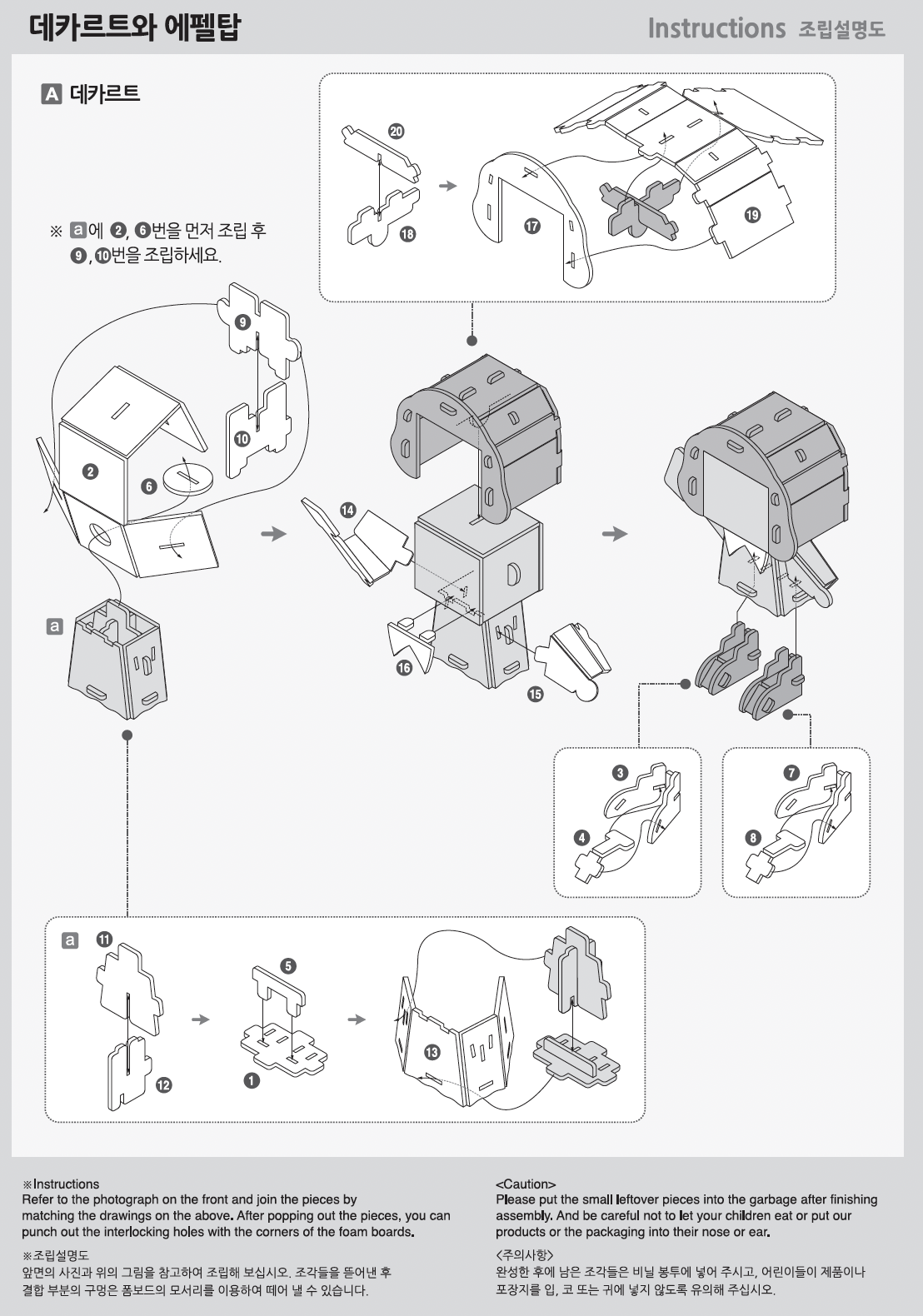
How To Make
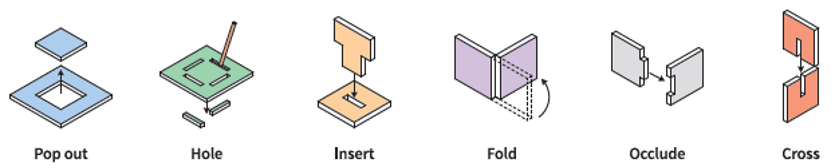
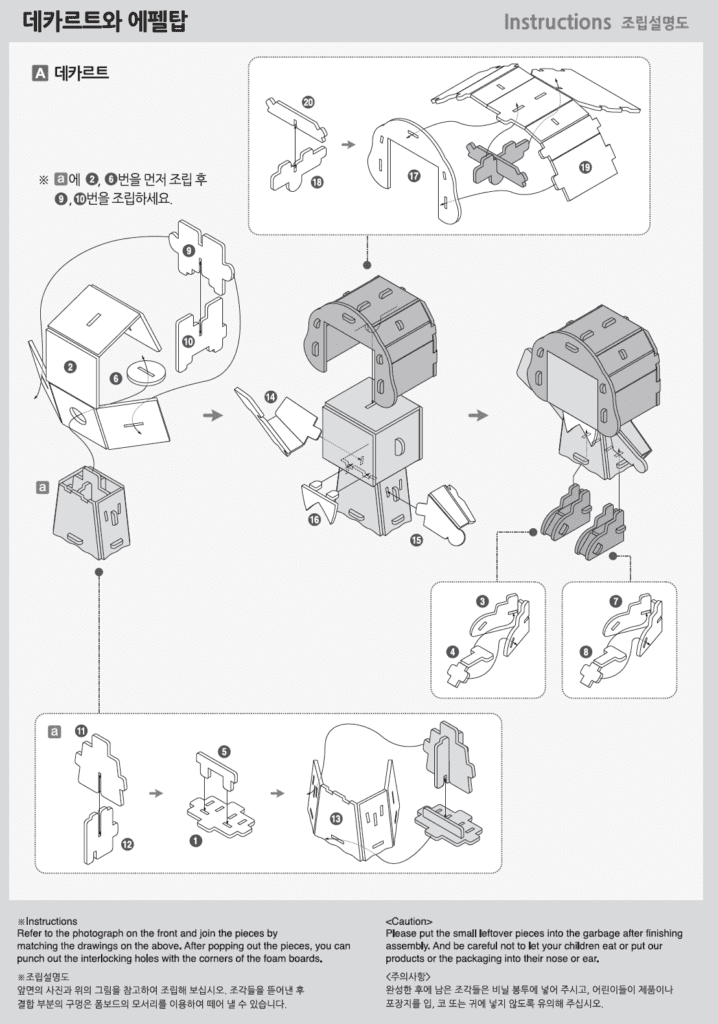
Instructions
Why do you need 3D Puzzle

3D Puzzles enhances problem-solving skills, scientific thinking, and creativity, making them highly beneficial for STEM (Science, Technology, Engineering, and Mathematics).
What Our Customers Say
Explore why enthusiasts rave about building Big Ben. Here are some stories from our satisfied customers!
Student Worksheet & Answer Sheet Download

Certification





Reviews
There are no reviews yet.