



Description
Explore the Mystery of the Finch
| 31 | 8+ | ★★★☆ ☆☆☆ | Max. 210x105x100(mm) | 300×210(mm) x 2Sheets |
| PCS | Ages | Difficulty | Assembled Size | Board Size |
Summery of key features
- No. SESC20-0002
- Assembled Size: Max. 210x105x100(mm)
3D Puzzle
Learning Through Play
Best Hands-on Education
We believe in
Hands-On Education
Hands-on learning is the best approach to learning rather than just being taught the theory via books.
Information
Explore the Mystery of the Finch
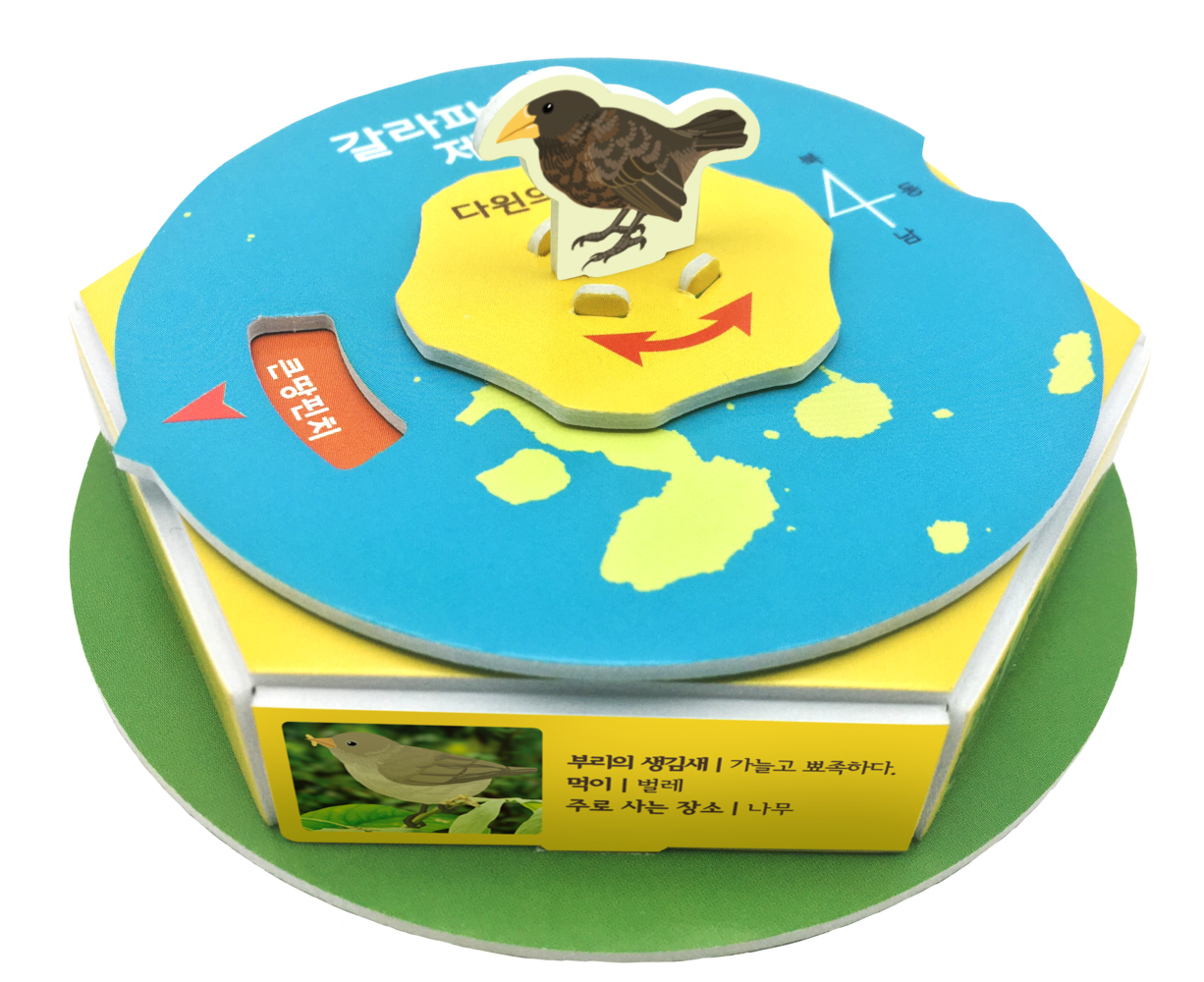
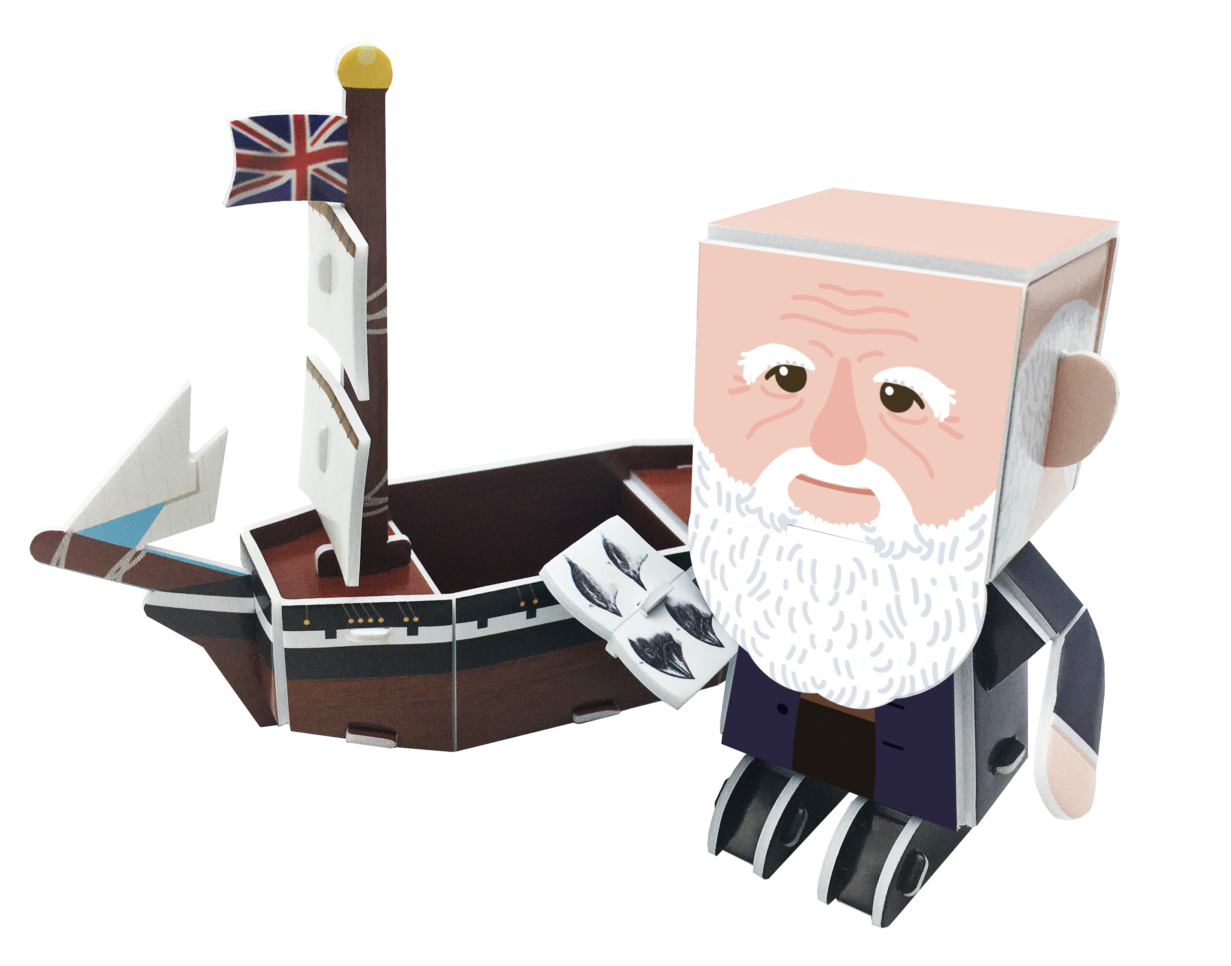
Charles Darwin was a scientist who traveled to the Galápagos Islands, a group of islands in the Pacific Ocean. There, he noticed different types of small birds called finches. These birds had various beak shapes and sizes, each suited to their specific diets and environments. For example, some finches had long, pointed beaks ideal for picking insects, while others had strong, thick beaks perfect for cracking seeds.
Darwin realized that these differences helped the finches survive better in their particular habitats. This idea led him to develop the theory of natural selection, which explains how living things change over time to become better suited to their environments. In simple terms, animals and plants with traits that help them survive are more likely to have offspring, passing those helpful traits to the next generation.
The finches on the Galápagos Islands are now known as “Darwin’s finches” because of their importance in his work. They are a classic example of how one species can evolve into many different species, each adapted to a unique way of living. This process is called adaptive radiation.
In summary, Darwin’s observations of the finches’ diverse beak shapes and diets helped him understand how species evolve over time through natural selection, leading to the development of his famous theory of evolution.
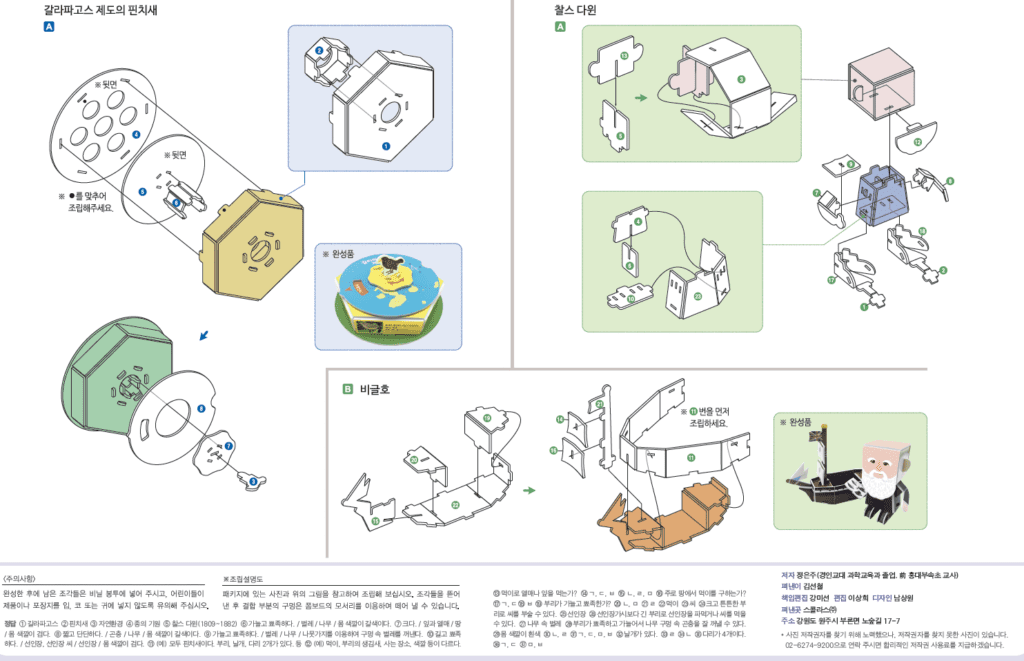
How To Make
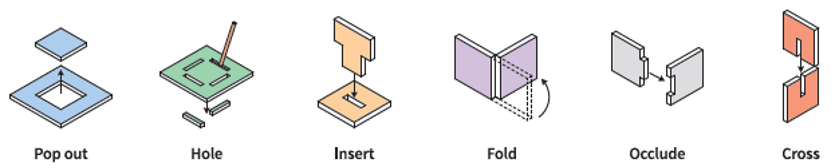
Instructions
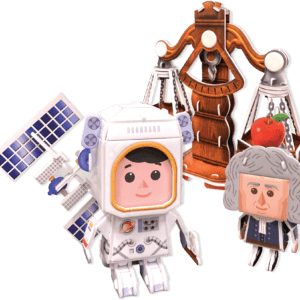
Why do you need 3D Puzzle

3D Puzzles enhances problem-solving skills, scientific thinking, and creativity, making them highly beneficial for STEM (Science, Technology, Engineering, and Mathematics).
What Our Customers Say
Explore why enthusiasts rave about building Big Ben. Here are some stories from our satisfied customers!
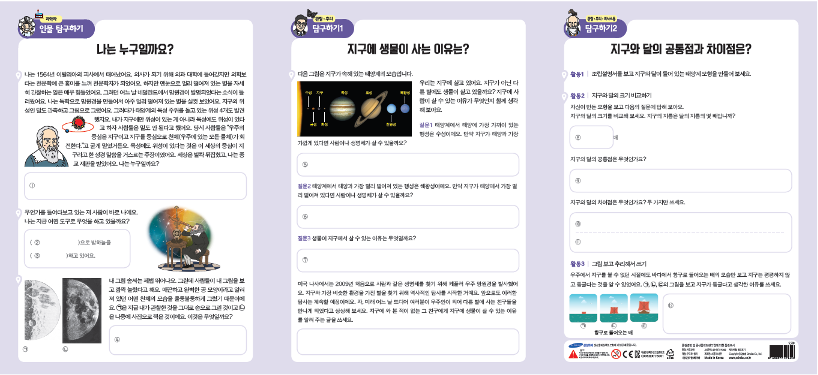
Student Worksheet & Answer Sheet Download
Certification


Reviews
There are no reviews yet.