
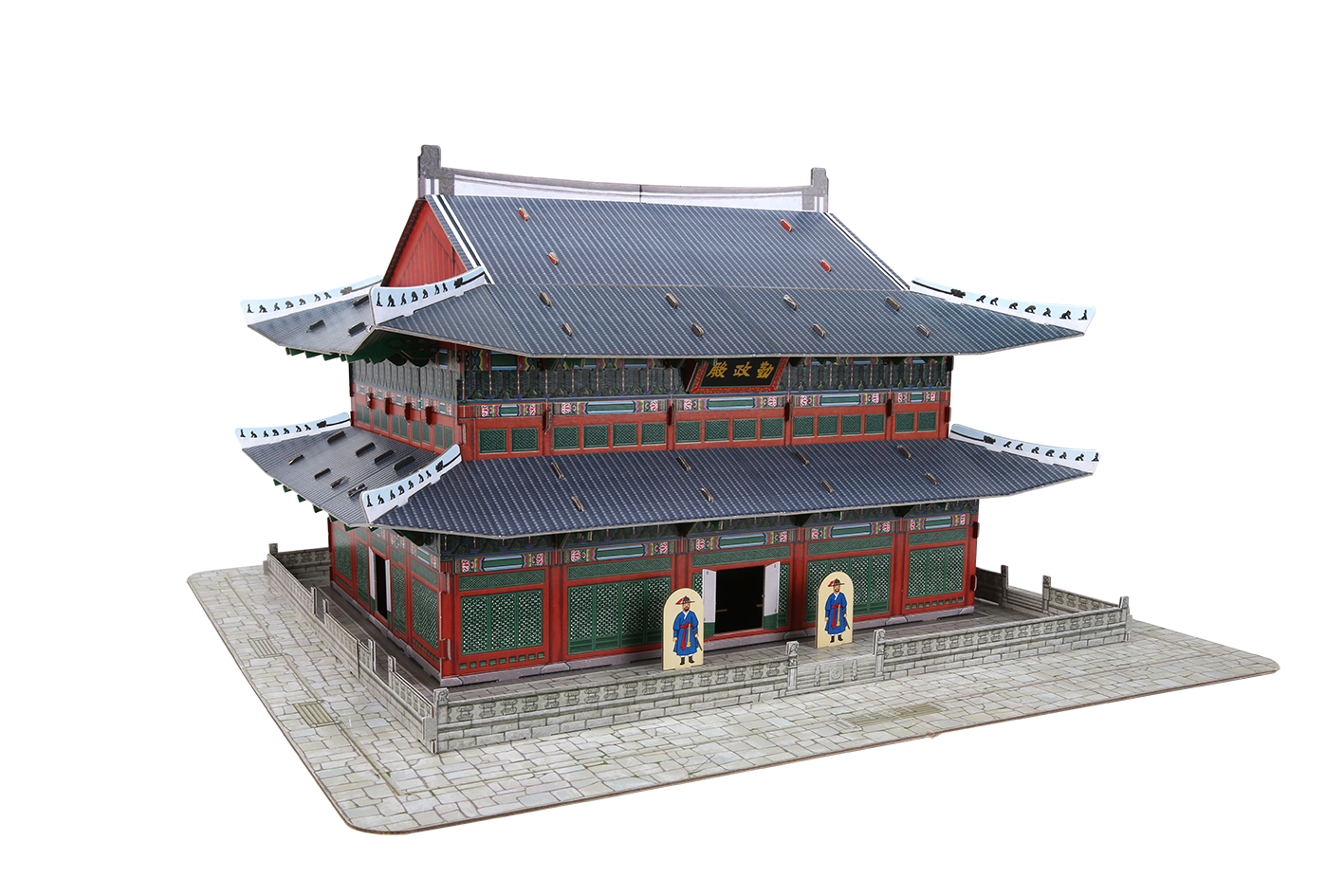
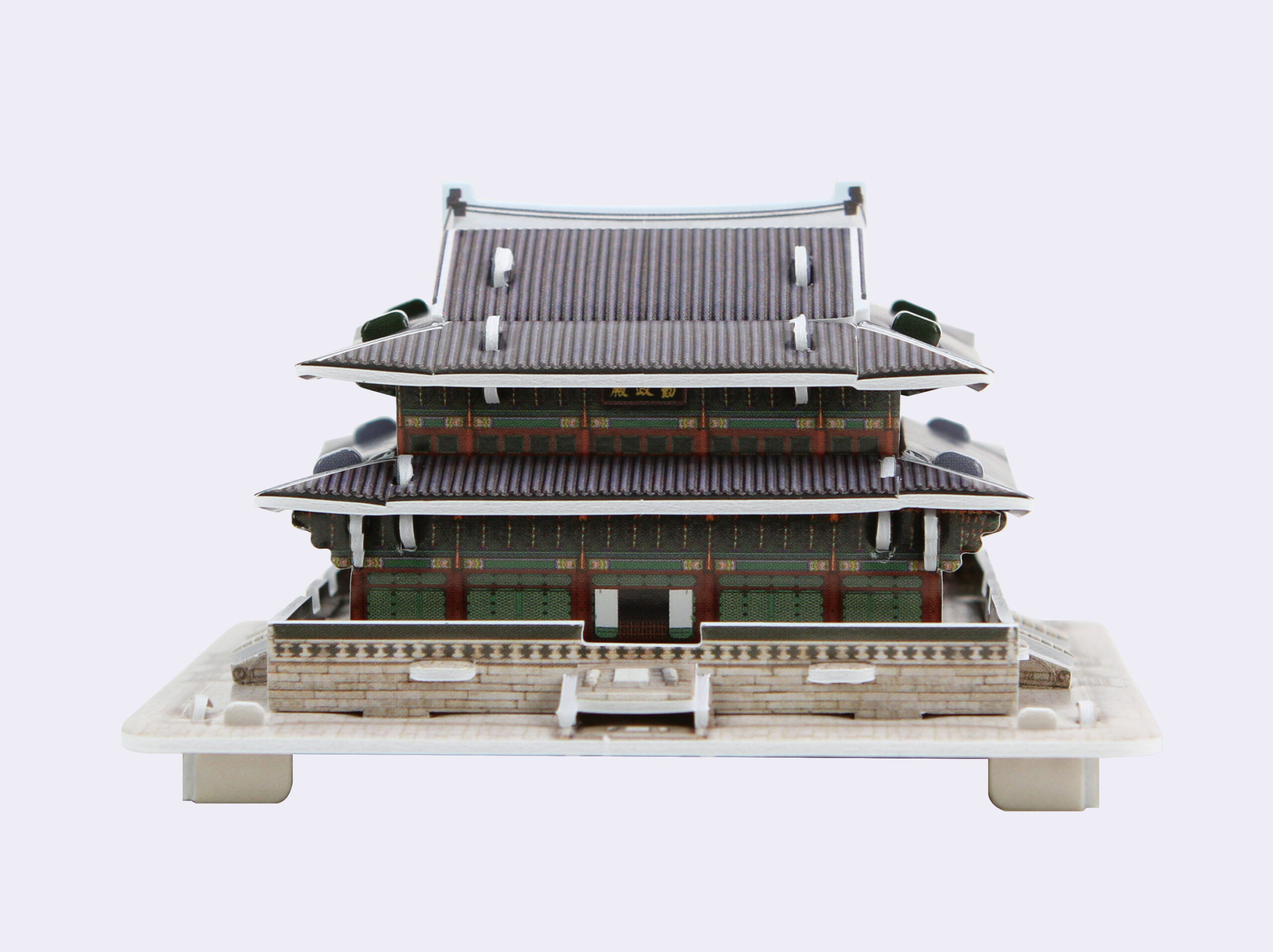
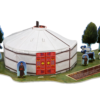

Description
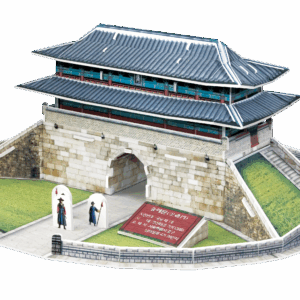
Geunjeongjeon Hall
Category: K-history
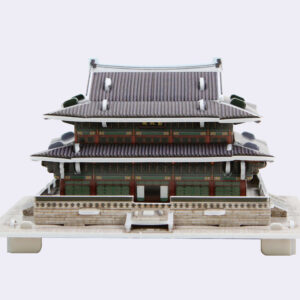
Model Name: Geunjeongjeon Hall
Model No.: HS20-026
PCS: 62
Ages: 8+
Difficulty: ★★★☆☆☆☆
Assembled Size: 165x164x80
Board Size: 300×210
Product Contents: Puzzle Board, Instruction Sheet
| 62 | 8+ |
| 165x164x80(mm) | 300×210(mm) x 2Sheets |
| PCS | Ages | Difficulty | Assembled Size | Board Size |
Summery of key features
- No. HS20-026
- Board Size: 300x210(mm) x 2Sheets
3D Puzzle
Learning Through Play
Best Hands-on Education
We believe in
Hands-On Education
Hands-on learning is the best approach to learning rather than just being taught the theory via books.
Information
Geunjeongjeon Hall
1. What Is Geunjeongjeon?
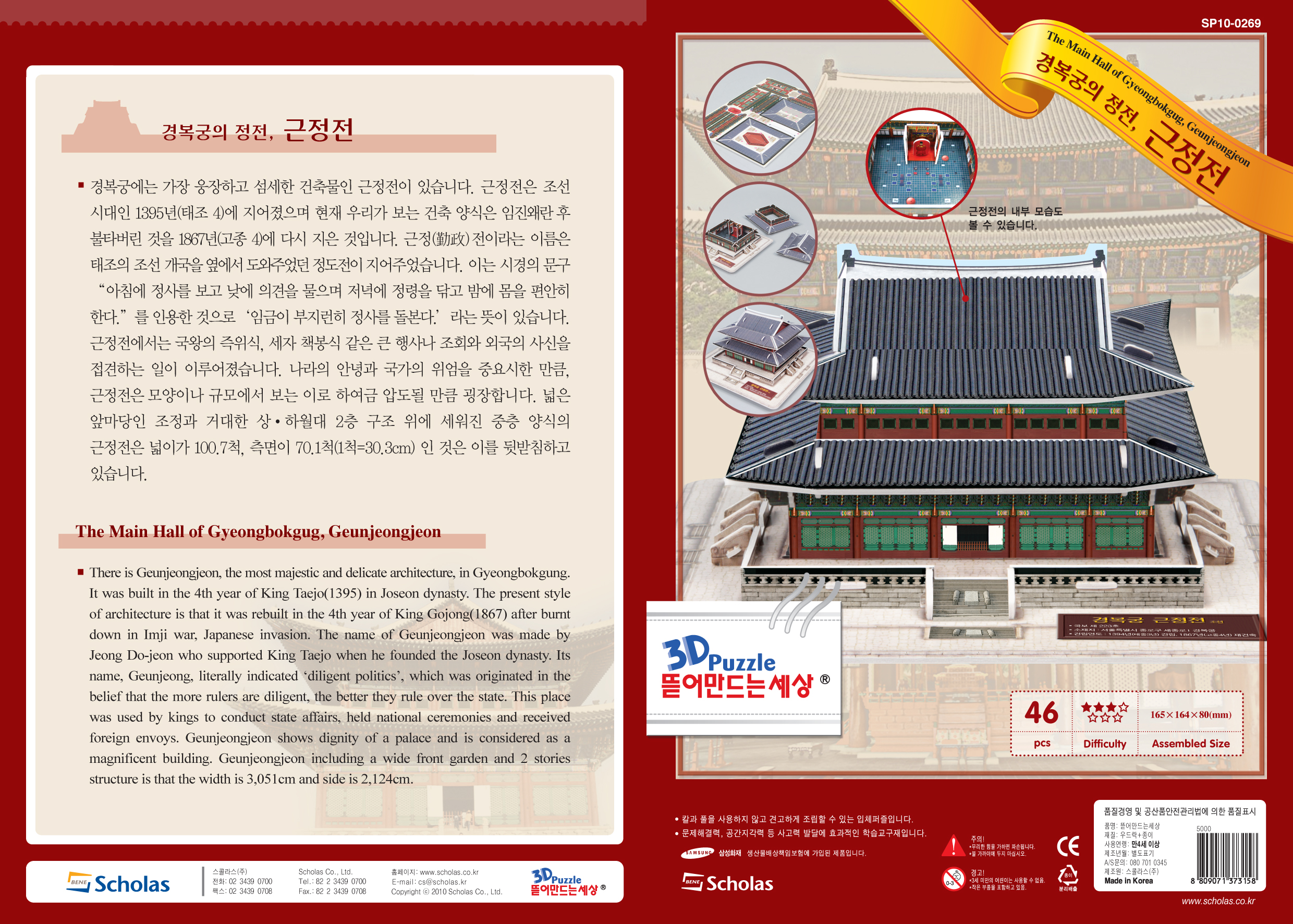
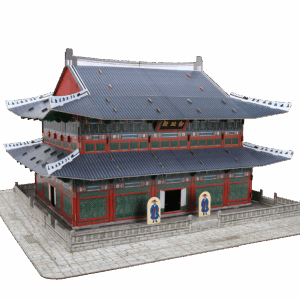
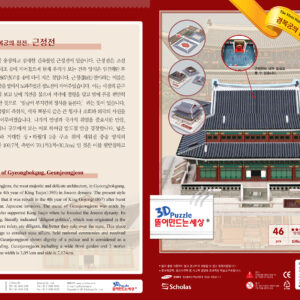
Geunjeongjeon Hall, designated as National Treasure No. 223, is the central building of Gyeongbokgung Palace. From the outside, it appears to be two stories tall, but in fact, it is a single-story structure with a high ceiling.
Behind the king’s throne is a folding screen featuring a painting of the sun, moon, and five mountain peaks—this artwork is called Ilwol Oakdo (日月五嶽圖). It symbolizes the king’s wish to be as enduring as the pine tree, to live long like the vitality of Namsan Mountain, and to care for his people consistently, like the sun and moon.
2. What Is Gyeongbokgung Palace?
Gyeongbokgung was built in 1395, the 4th year of King Taejo’s reign, when Yi Seong-gye, the founder of the Joseon Dynasty, moved the capital from Gaegyeong to Hanyang (modern-day Seoul).
As the main royal palace of the Joseon Dynasty, which lasted for 500 years, Gyeongbokgung includes several important buildings such as Geunjeongjeon, Gyeonghoeru Pavilion, Gangnyeongjeon Hall, and Gyotaejeon Hall.
The founding scholars of Joseon, known as the Neo-Confucian literati, aimed to govern the nation based on Confucian ideals. Accordingly, the layout of Gyeongbokgung and the names of its buildings were inspired by Confucian philosophy and scriptures.
The structures that remain today were rebuilt between 1865 and 1867 by Heungseon Daewongun, after the original palace was destroyed during the Imjin War.
The Founding of Joseon and Jeong Do-jeon
3. How Was the Joseon Dynasty Founded?
In the late Goryeo period, Korea faced frequent invasions from the Red Turbans and Japanese pirates, along with corruption among the ruling elite. In response, a reformist group emerged—known as the Neo-Confucian literati.
Yi Seong-gye, a renowned Goryeo general, was ordered to lead a campaign to Liaodong but instead turned his army around at Wihwa Island on the Yalu River and marched back to Gaegyeong. He seized the capital and eliminated King U and General Choi Yeong, who opposed him. With the support of allies, he established the Joseon Dynasty.
Why did Yi Seong-gye name the new country “Joseon”? To honor and continue the legacy of Dangun’s ancient kingdom, the first recorded state in Korean history. He also relocated the capital to Hanyang to reshape the nation’s identity.
Why Hanyang? It was centrally located, making it ideal for governing the entire country. It had access to the Han River, which provided convenient transportation and abundant resources. Surrounded by mountains, it was also strategically defensible against foreign invasions.
One of Yi Seong-gye’s key supporters was Jeong Do-jeon, who played a major role in establishing the new government’s institutions and cultural foundations. He named Geunjeongjeon—meaning “Diligent Governance”—to reflect the principle that rulers should govern with dedication.
Jeong Do-jeon believed that since not all kings would possess exceptional qualities, high-ranking ministers (jaesang) should guide the monarch and govern the people wisely. However, Yi Bang-won (later King Taejong), Taejo’s son, believed the king himself should be the central authority. During the First Strife of Princes, Jeong Do-jeon was killed by Yi Bang-won.
4. Glossary
Red Turbans (Honggeonjeok): Bandits who rose in northern China during the late Yuan Dynasty, named for the red cloths they wore on their heads.
Jaesang (재상): A high-ranking official (2nd rank or above) who assisted the king and oversaw other government officials.
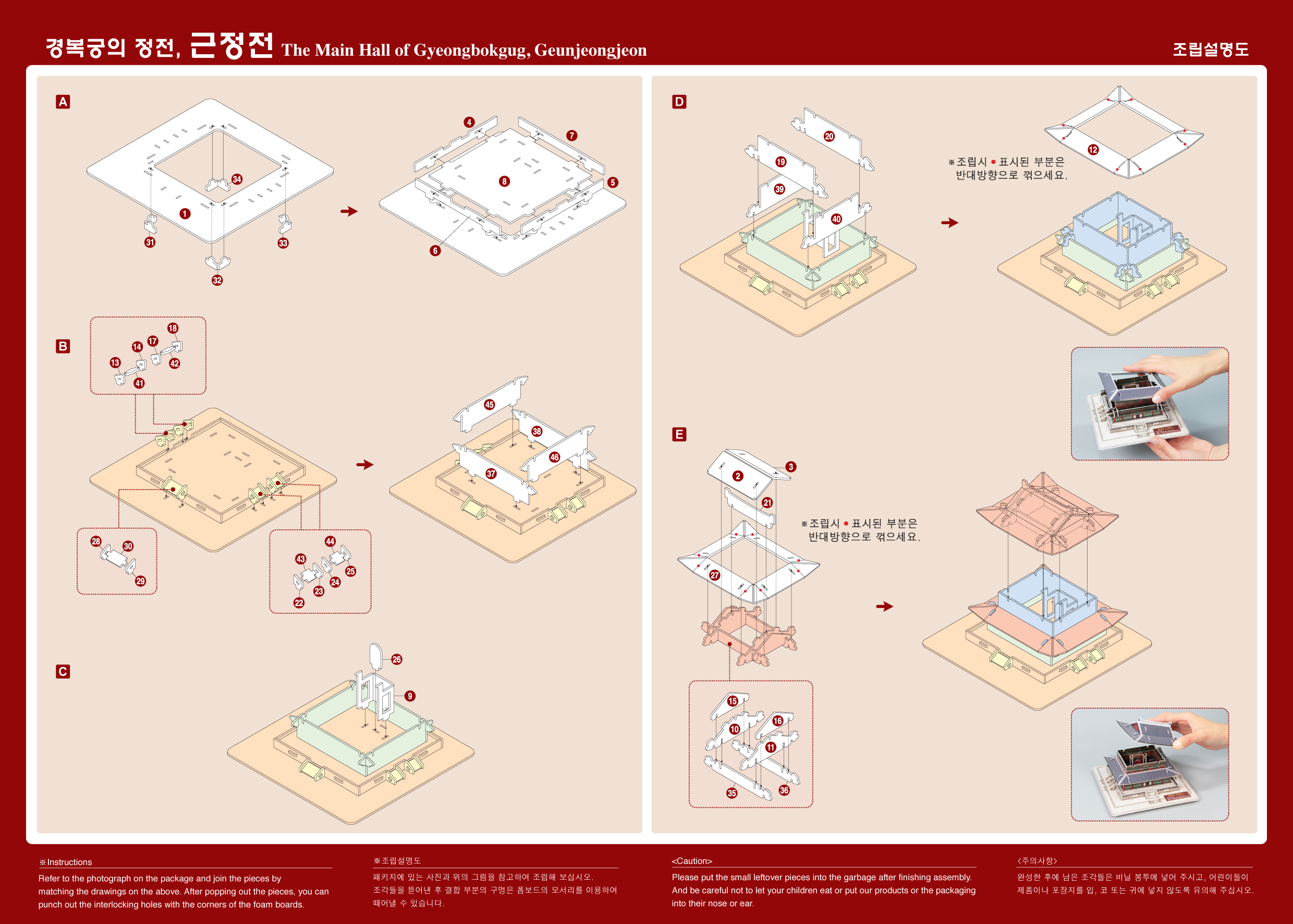
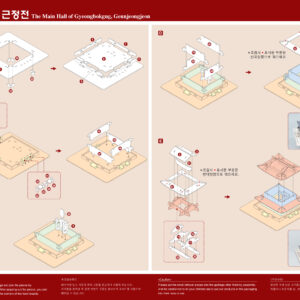
How To Make
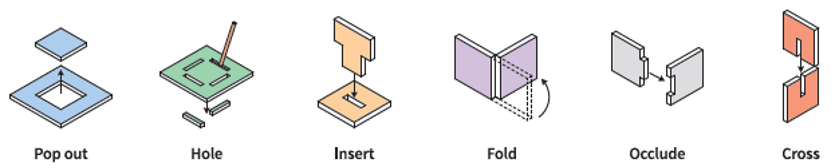
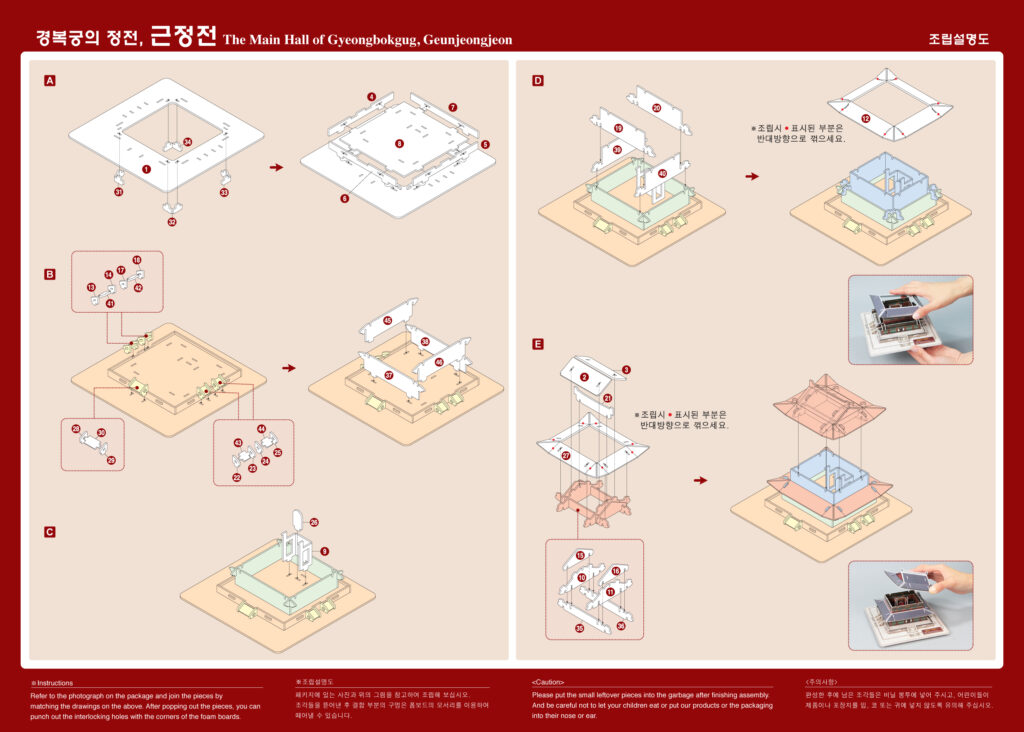
Instructions
Why do you need 3D Puzzle
3D Puzzles enhances problem-solving skills, scientific thinking, and creativity, making them highly beneficial for STEM (Science, Technology, Engineering, and Mathematics).
What Our Customers Say
Explore why enthusiasts rave about building 3D puzzle. Here are some stories from our satisfied customers!
Student Worksheet & Answer Sheet Download
Certification

Reviews
There are no reviews yet.