
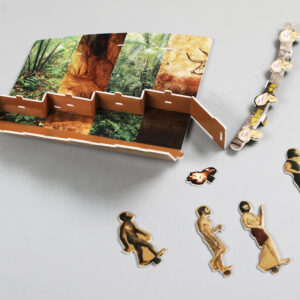
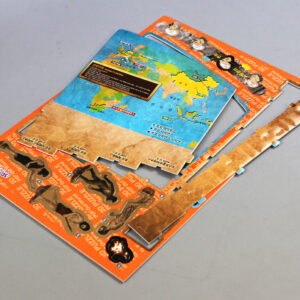


Description
Human Evolution
| 23 | 6+ | ★★☆☆ ☆☆☆ | 252x32x245(mm) | 300×210(mm) x 2Sheets |
| PCS | Ages | Difficulty | Assembled Size | Board Size |
Summery of key features
- No. SE19-0517
- Assembled Size: 252x32x245(mm)
3D Puzzle
Learning Through Play
Best Hands-on Education
We believe in
Hands-On Education
Hands-on learning is the best approach to learning rather than just being taught the theory via books.
Information
Human Evolution
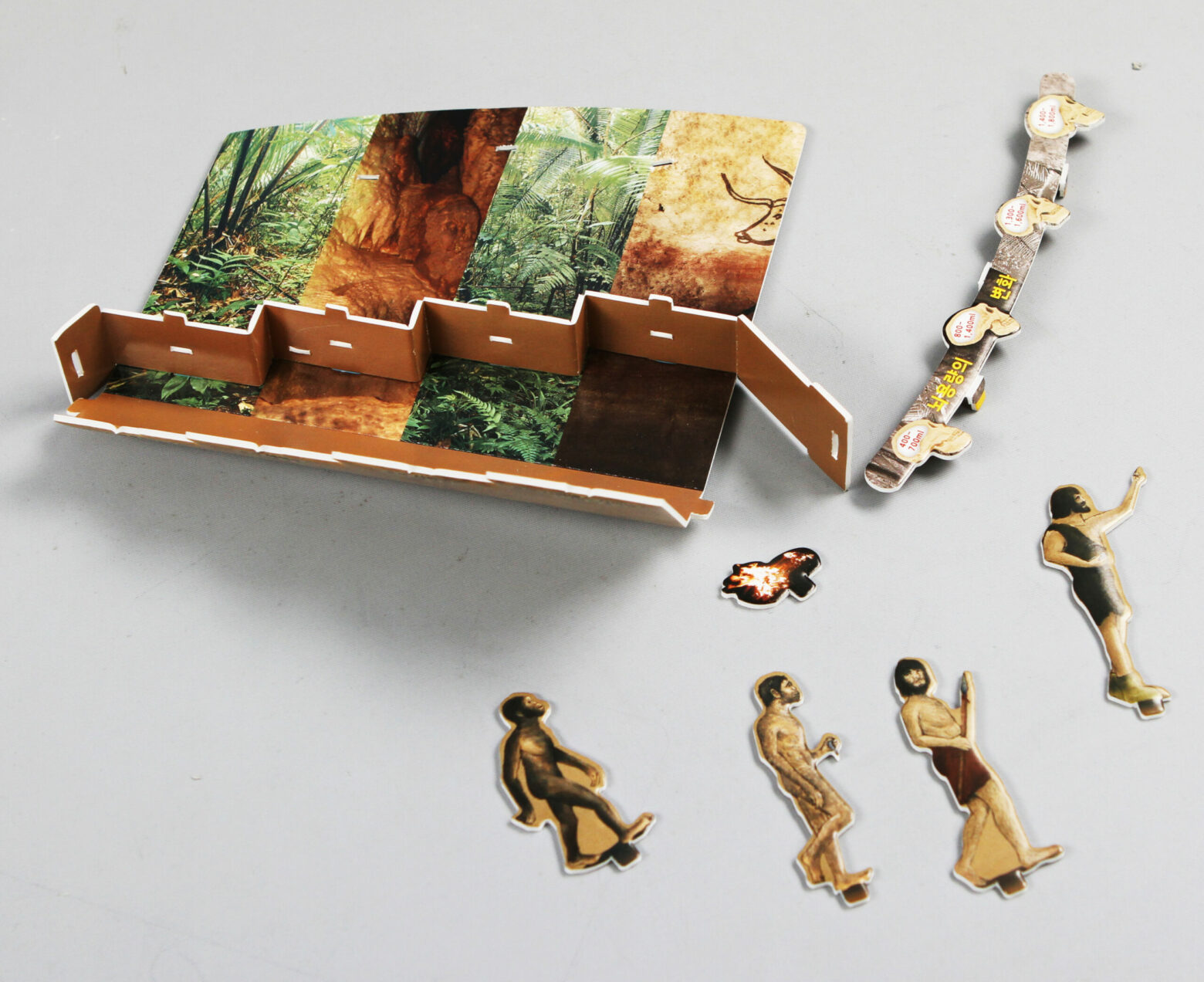
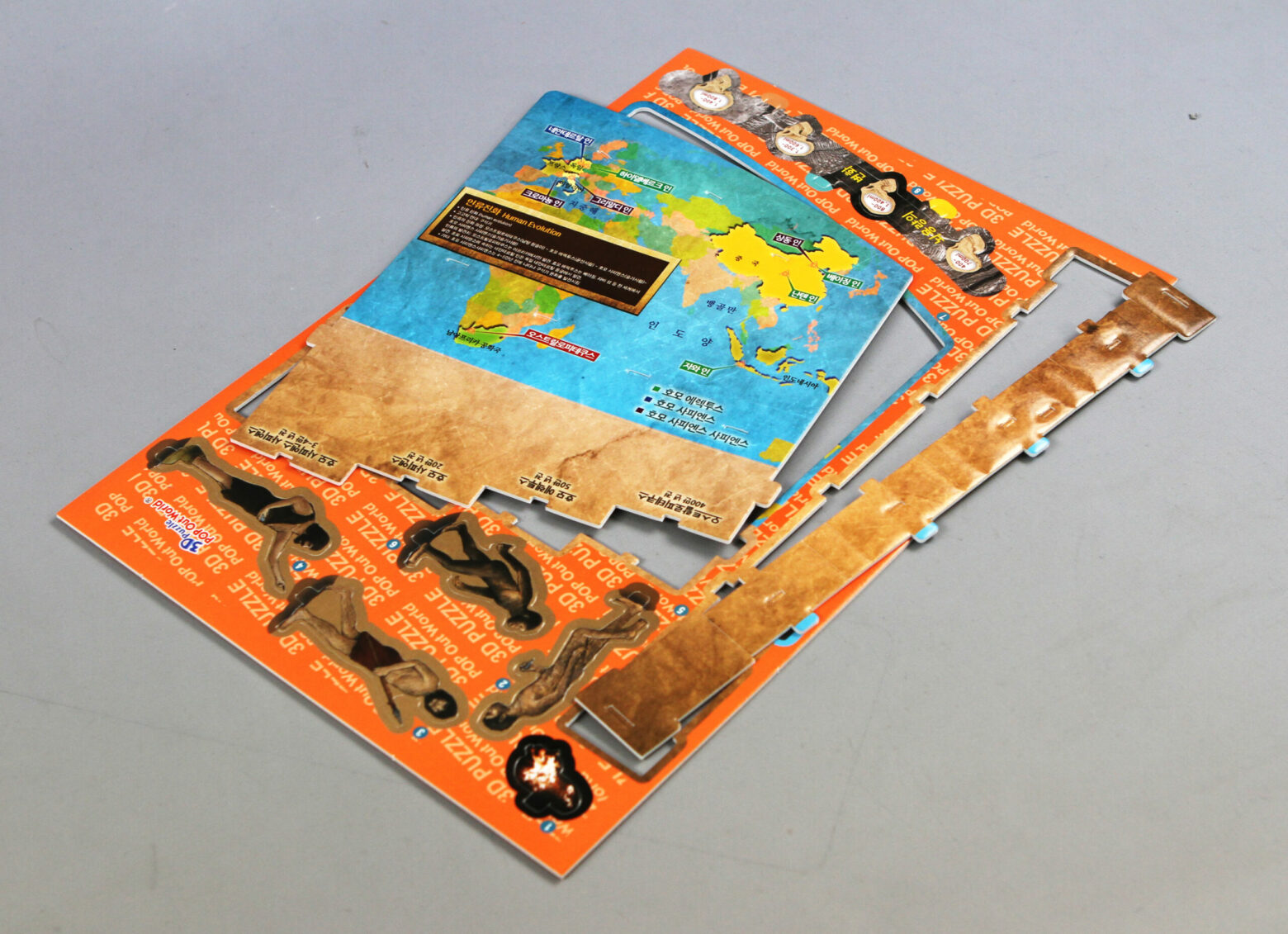
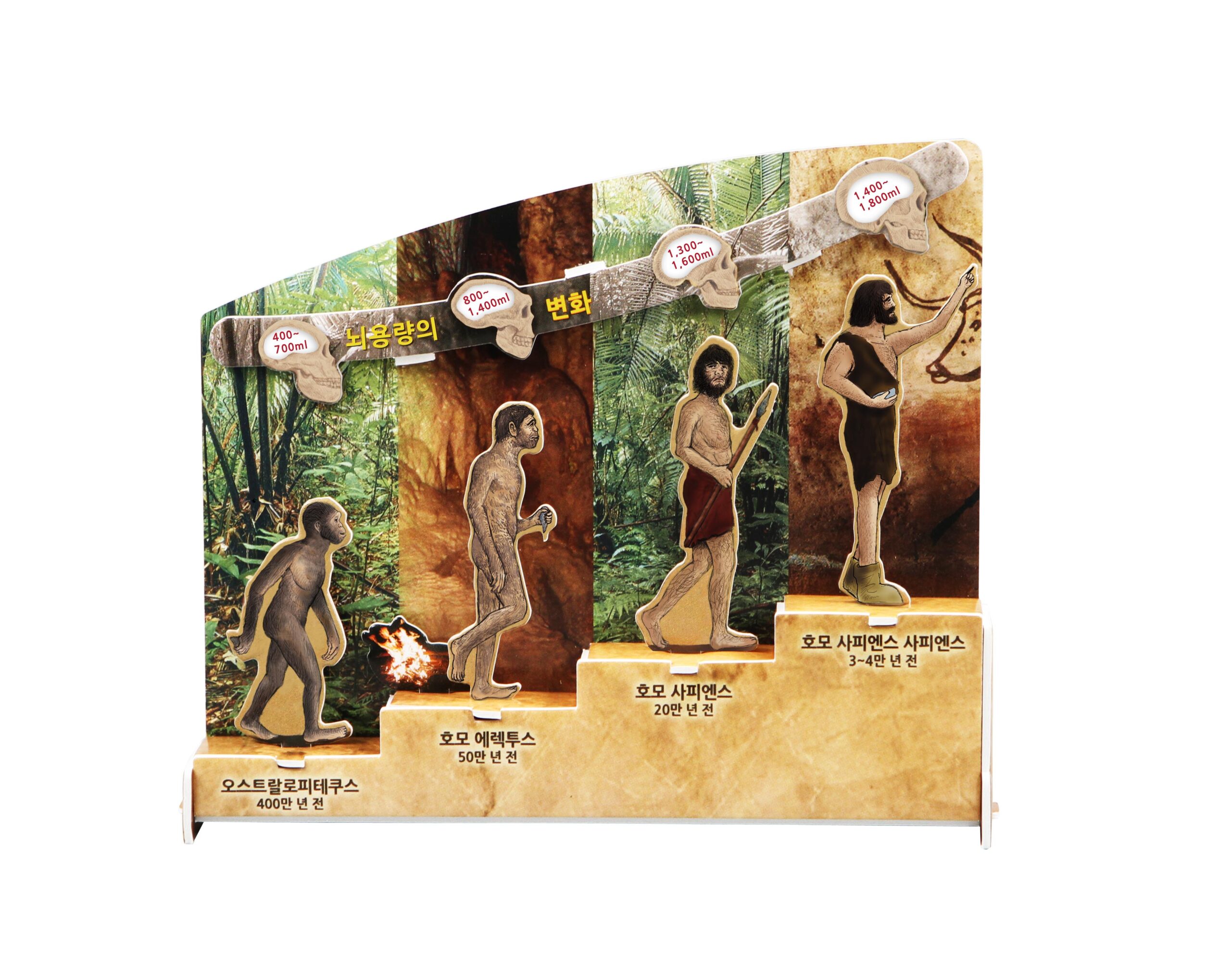
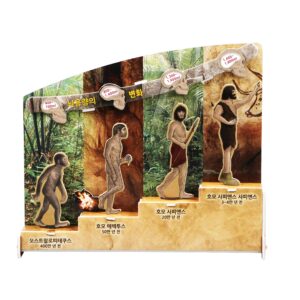
Human evolution is the gradual development of humans from ancient ancestors over millions of years. This process has led to the emergence of modern Homo sapiens through various stages of physical and behavioral changes.
Early Ancestors
Our evolutionary journey began with primates, a group of mammals that includes lemurs, monkeys, and apes. Humans share a common ancestor with modern apes, but did not evolve directly from them. Instead, both evolved from a shared ancestor that lived millions of years ago. Over time, human ancestors developed distinct traits, such as larger brains and the ability to walk upright on two feet.
Development of Bipedalism
One of the significant milestones in human evolution is bipedalism—the ability to walk upright on two legs. This adaptation allowed early humans to travel efficiently, see over tall grasses, and free their hands for tool use and carrying objects. Fossil evidence suggests that bipedalism began to develop around 6 million years ago.
Advancements in Tool Use
The creation and use of tools marked another critical step in human evolution. Early humans crafted simple tools from stones, which enabled them to hunt, process food, and build shelters more effectively. This technological advancement is closely linked to increased brain size and cognitive abilities.
Evolution of Homo Sapiens
The genus Homo, which includes modern humans, emerged approximately 2.5 million years ago. Homo sapiens, our species, appeared around 300,000 years ago. Over time, humans developed complex languages, art, and societies, setting us apart from other species.
Natural Selection and Adaptation
Evolution operates through natural selection, where individuals with advantageous traits are more likely to survive and reproduce. Over generations, these beneficial traits become more common within a population, leading to gradual changes and the emergence of new species.
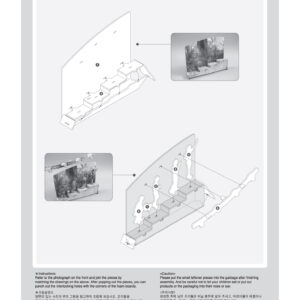
How To Make
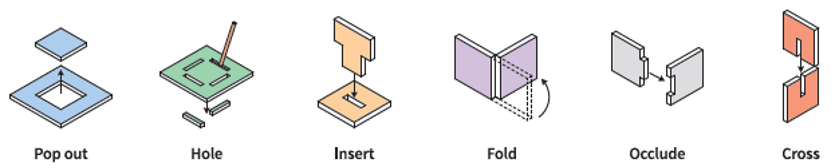
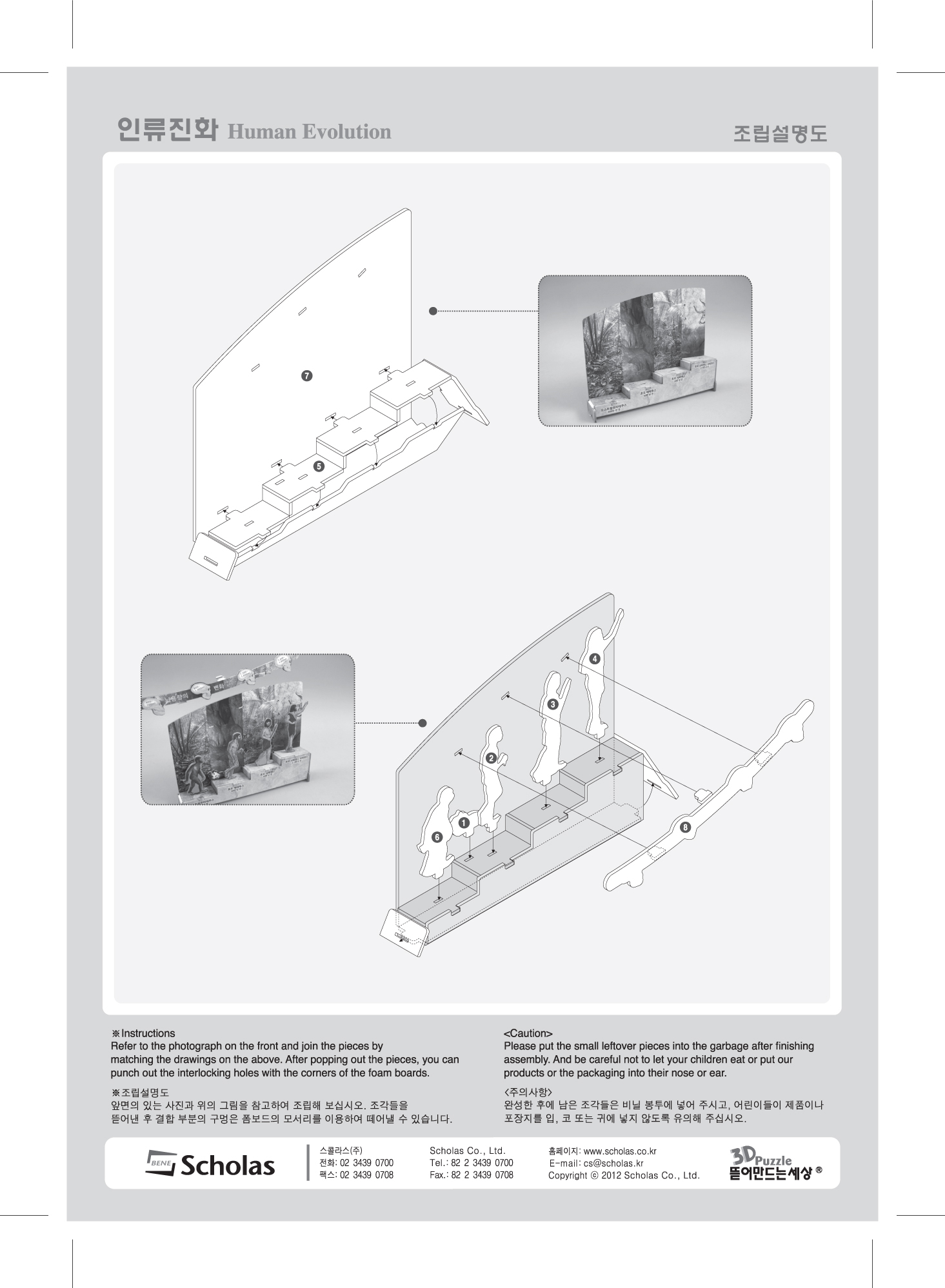
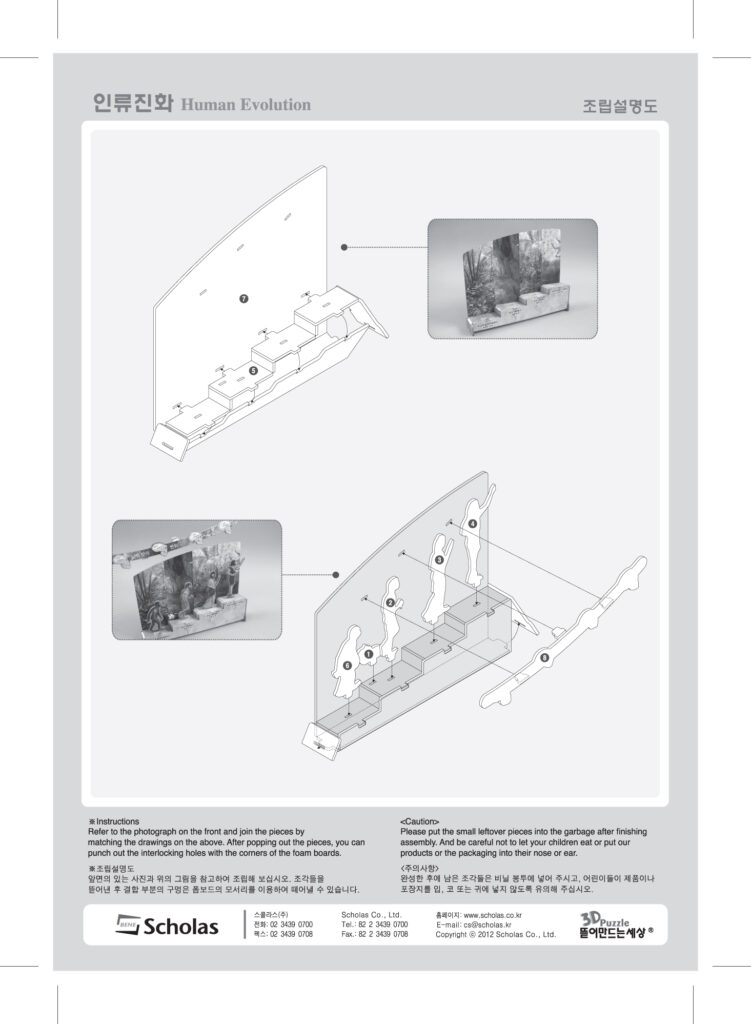
Instructions
Why do you need 3D Puzzle
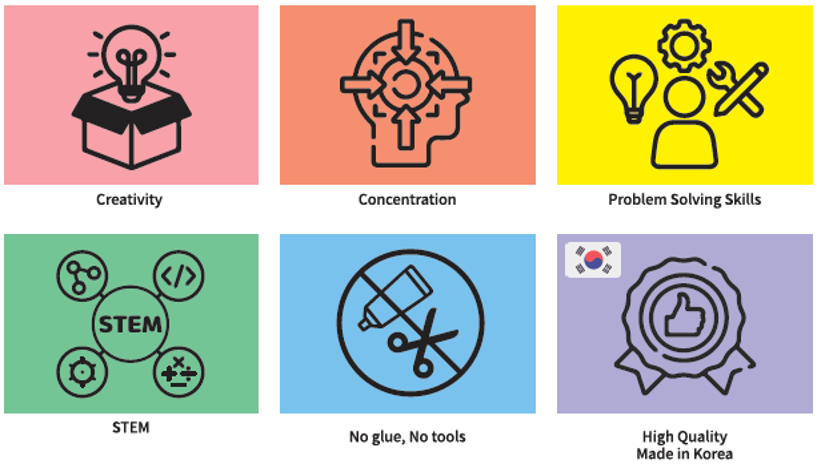
3D Puzzles enhances problem-solving skills, scientific thinking, and creativity, making them highly beneficial for STEM (Science, Technology, Engineering, and Mathematics).
What Our Customers Say
Explore why enthusiasts rave about building Big Ben. Here are some stories from our satisfied customers!
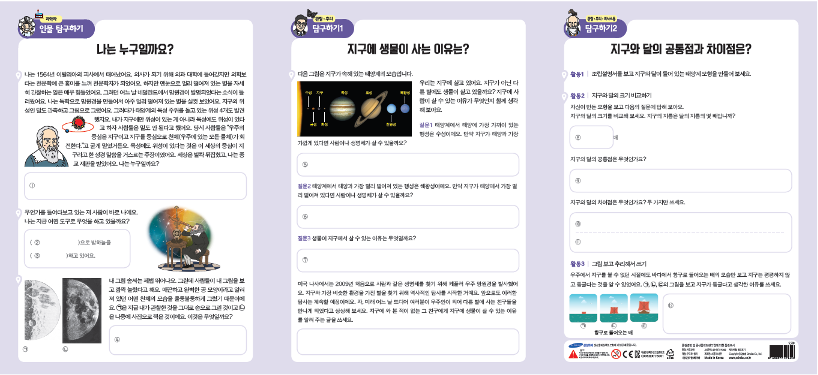
Student Worksheet & Answer Sheet Download
Certification


Reviews
There are no reviews yet.