
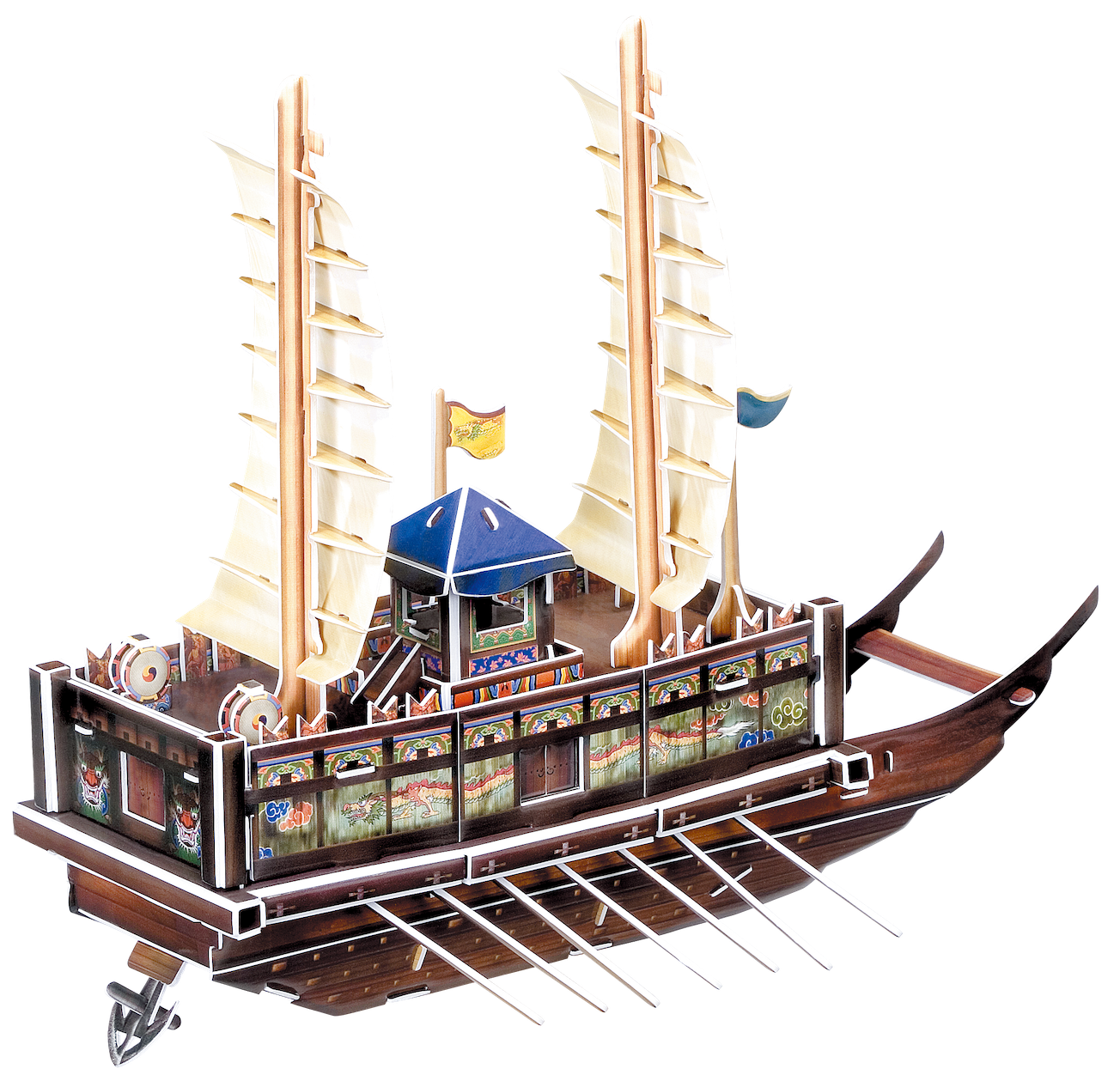
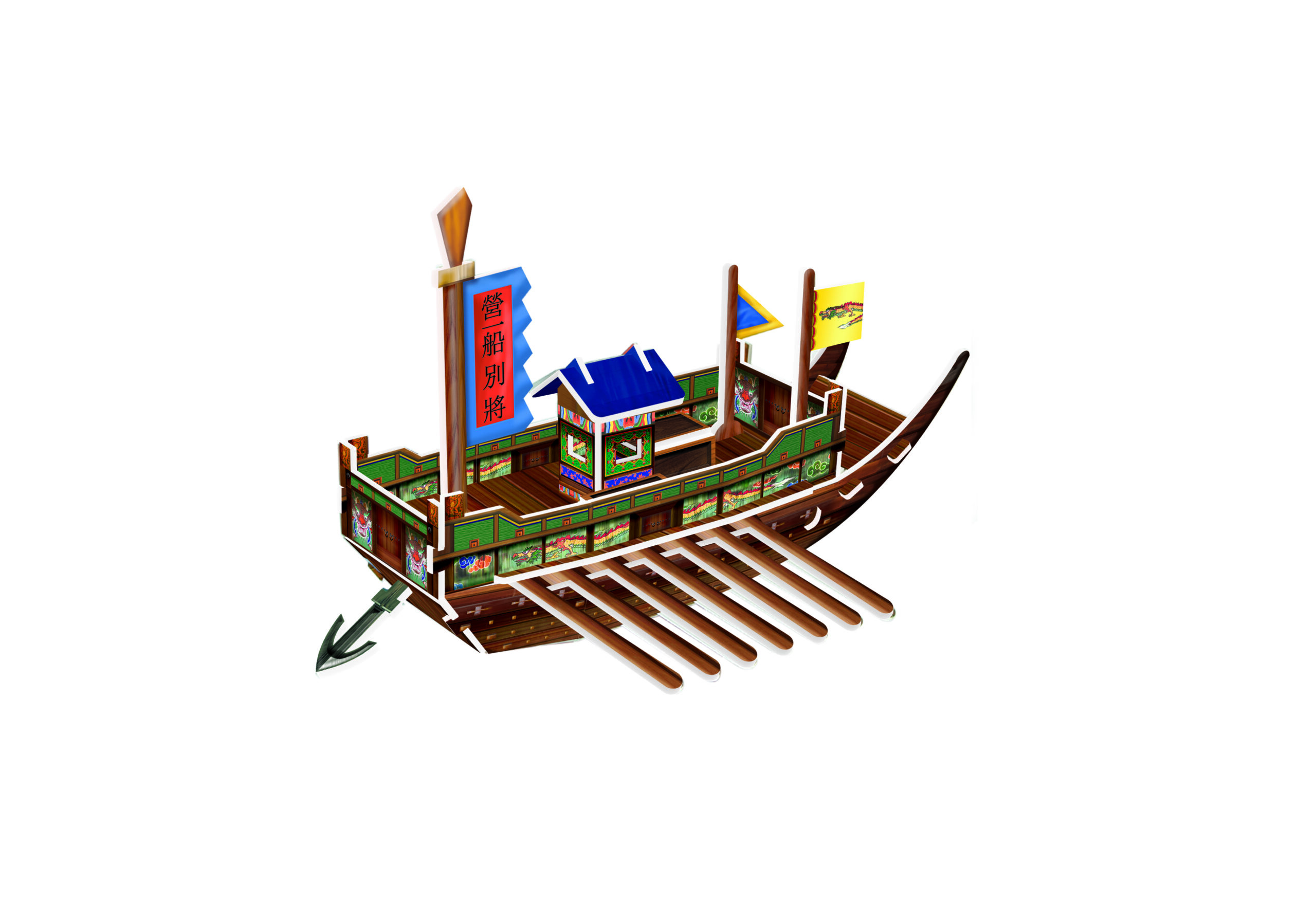
Description
Singijeon
Category: K-history
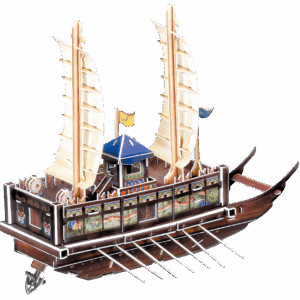
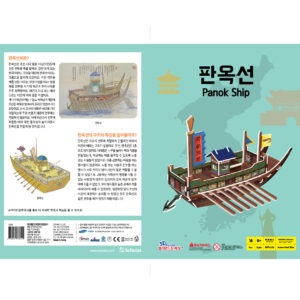
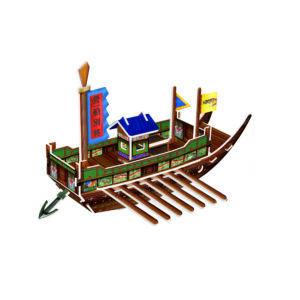
Model Name: Panokseon
Model No.: HS20-035
PCS: 34
Ages: 8+
Difficulty: ★★★☆☆☆☆
Assembled Size: 85x187x219
Board Size: 300×210
Product Contents: Puzzle Board, Instruction Sheet
| 34 | 8+ | ★★★☆ ☆☆☆ | 85x187x219(mm) | 300×210(mm) x 2Sheets |
| PCS | Ages | Difficulty | Assembled Size | Board Size |
Summery of key features
- No. HS20-035
- Board Size: 300×210(mm)x2Sheets
3D Puzzle
Learning Through Play
Best Hands-on Education
We believe in
Hands-On Education
Hands-on learning is the best approach to learning rather than just being taught the theory via books.
Information
Panokseon
1. What Is a Panokseon?
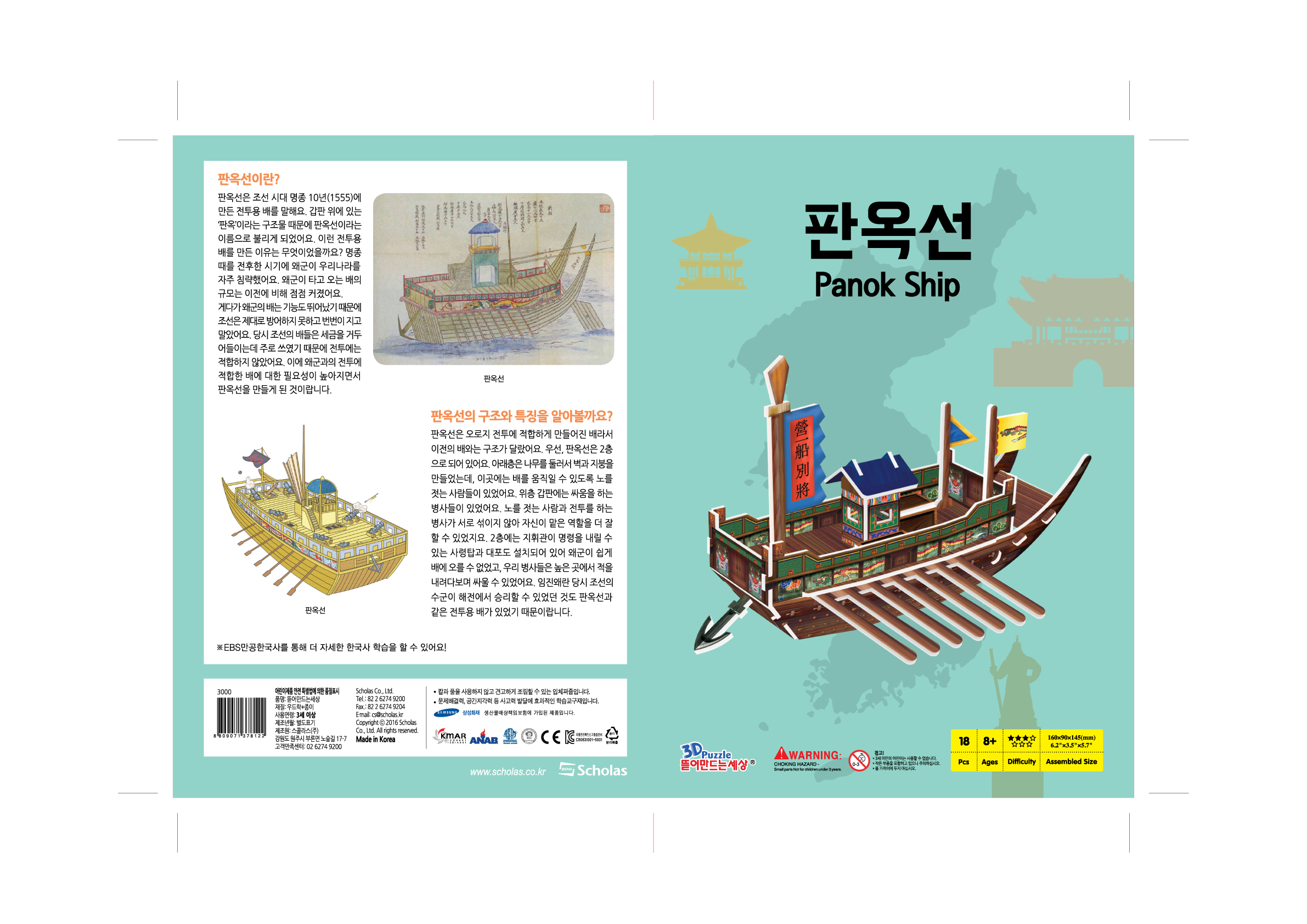
The Panokseon was a warship developed in the 10th year of King Myeongjong’s reign (1555) during the Joseon Dynasty. Its name comes from the structure called panok—a covered deck built above the main deck.
Why was this type of warship created?
Around the time of King Myeongjong, Japanese forces frequently invaded Korea. Their ships were becoming larger and more advanced, making it difficult for Joseon to defend itself effectively. At the time, most Korean ships were used primarily for collecting taxes and were not suitable for combat. As the need for a battle-ready vessel grew, the Panokseon was developed to counter the Japanese threat.
2. What Were the Structure and Features of the Panokseon?
The Panokseon was designed specifically for warfare, and its structure differed significantly from earlier ships.
It had a two-story design.
The lower deck was enclosed with wooden walls and a roof, where rowers operated the oars to move the ship.
The upper deck was reserved for soldiers engaged in combat.
By separating rowers from fighters, each group could focus on their roles more efficiently.
On the upper deck, a command tower was installed for officers to issue orders, and cannons were mounted to repel enemy boarding attempts.
This elevated position allowed Joseon soldiers to fight from above, giving them a strategic advantage.
Thanks to warships like the Panokseon, the Joseon navy was able to achieve significant victories during the Imjin War.
3. What Was the Relationship Between Joseon and Japan During the Joseon Dynasty?
From the late Goryeo period, Japanese pirates (Wakō) frequently raided Korean coastal regions. To counter these threats, the Joseon government employed both hardline and conciliatory policies.
As part of its conciliatory approach, in the 7th year of King Taejong’s reign (1407), Joseon opened ports at Busanpo (modern-day Busan) and Naeipo (Jinhae), followed by Yeompo (Ulsan) in the 8th year of King Sejong’s reign (1426), and established Waegwan—designated areas for Japanese residents to conduct trade and diplomacy.
However, in the 5th year of King Jungjong’s reign (1510), Japanese residents at these three ports staged a violent uprising, setting fires and killing civilians. This incident, known as the Sampo Waeran (Sampo Uprising), led to the expulsion of Japanese residents and a complete halt in trade between the two nations.
Later, Japan requested to restore diplomatic relations, and Joseon allowed limited trade. Japan, eager to expand trade, asked the Joseon government to increase the volume of exchanges, but Joseon refused. Frustrated by this, Japanese forces raided the southern coast of Jeollanam-do in the 10th year of King Myeongjong’s reign (1555), looting and causing chaos—an event known as the Eulmyo Waebyeon.
Afterward, the ruler of Tsushima Island punished those involved in the raid and requested that Joseon resume trade. The Joseon government agreed, but only allowed minimal trade.
4. What Was the Role of the Tongsinsa (Joseon Communication Envoys)?
Following the outbreak of the Imjin War, diplomatic exchanges between Joseon and Japan were suspended. Later, with the establishment of a new government in Japan, a request was made to restore diplomatic ties. Joseon agreed to pursue peaceful relations and dispatched official envoys known as Tongsinsa.
From the 40th year of King Seonjo’s reign (1607) to the 11th year of King Sunjo’s reign (1811), Joseon sent a total of 12 Tongsinsa missions over approximately 200 years. Each delegation typically consisted of 300 to 500 members.
The Japanese government treated these envoys with great respect, and the Tongsinsa played a significant role in fostering cultural exchange and contributing to Japan’s cultural development as diplomatic representatives.
5. Glossary
Hardline Policy (강경책): A policy that takes a firm and confrontational stance rather than a conciliatory one.
Waegwan (왜관): Facilities used by Japanese residents in Joseon for trade and diplomatic activities.
Dispatch (파견): The act of sending individuals on a mission with specific duties.
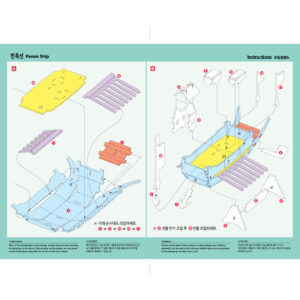
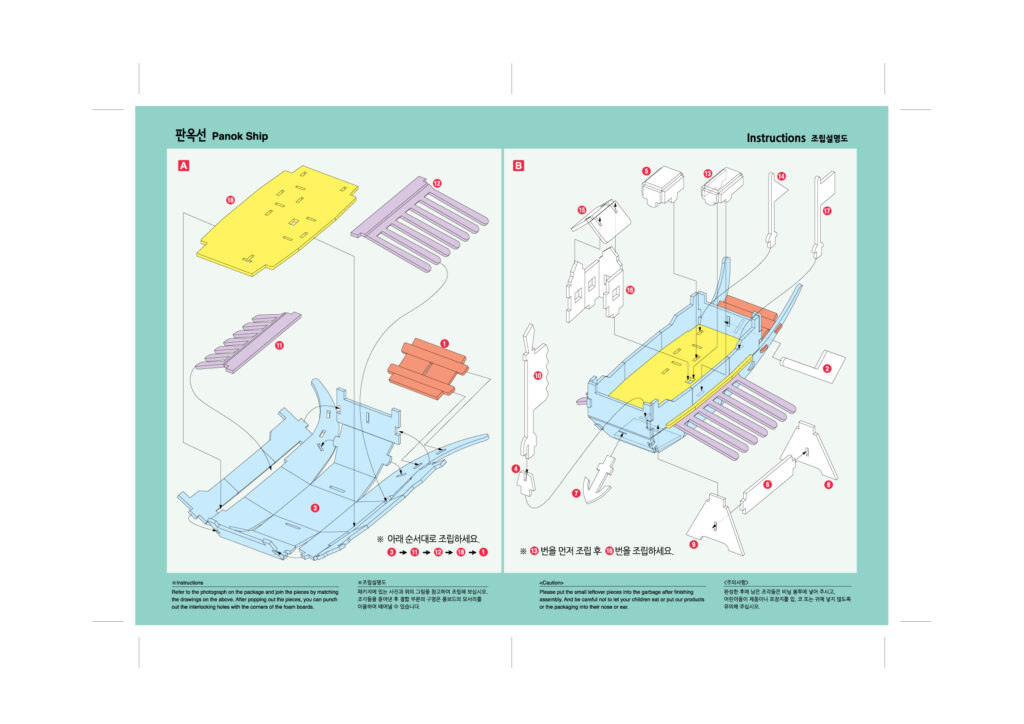
How To Make
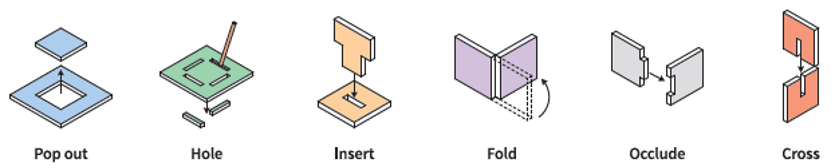
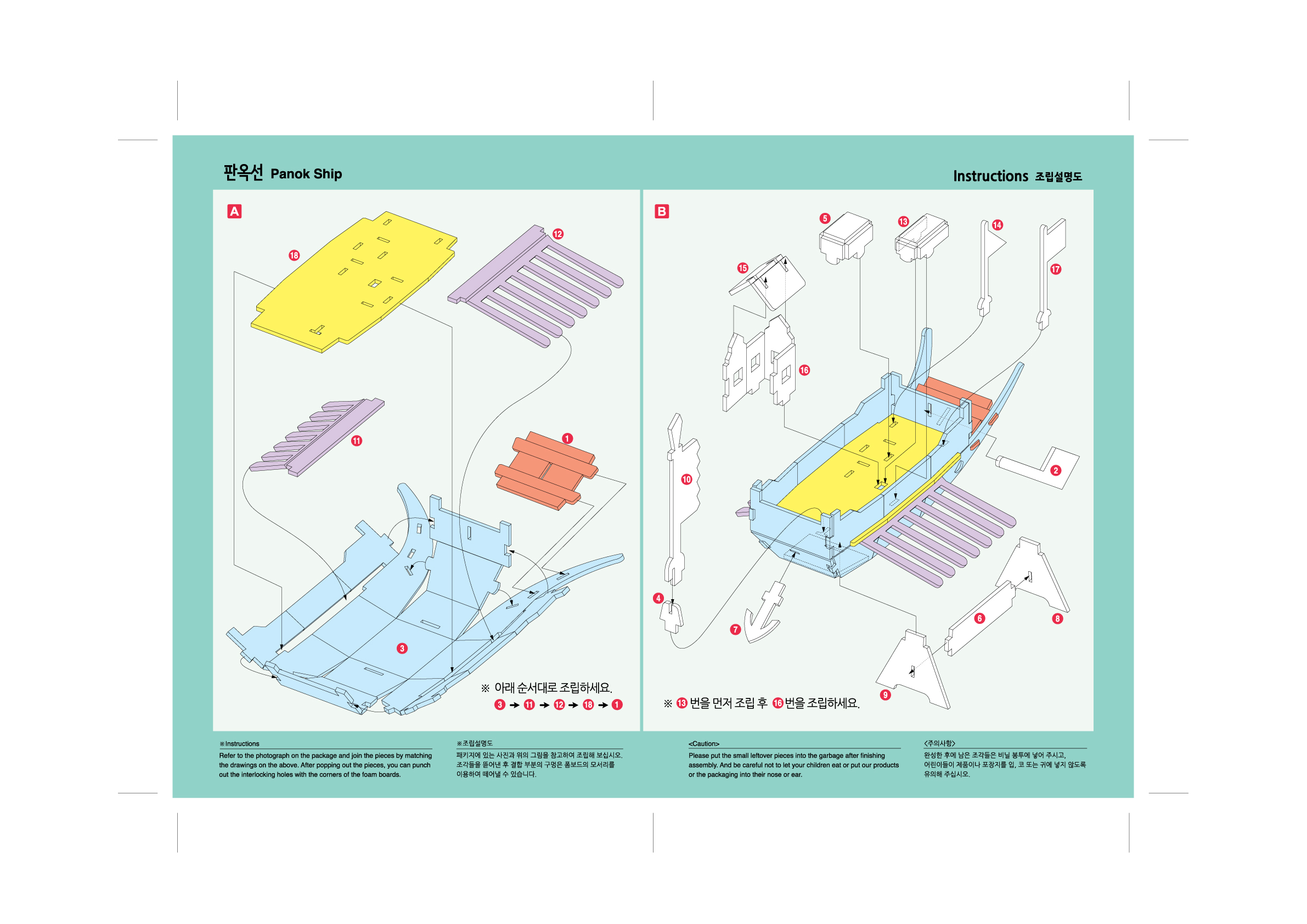
Instructions
Why do you need 3D Puzzle
3D Puzzles enhances problem-solving skills, scientific thinking, and creativity, making them highly beneficial for STEM (Science, Technology, Engineering, and Mathematics).
What Our Customers Say
Explore why enthusiasts rave about building 3D puzzle. Here are some stories from our satisfied customers!
Student Worksheet & Answer Sheet Download
Certification

Reviews
There are no reviews yet.