
Description
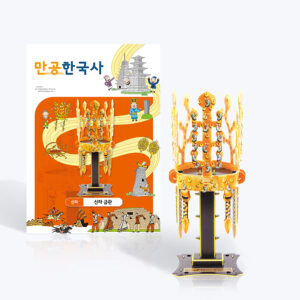
Silla Gold Crown
Category: K-history
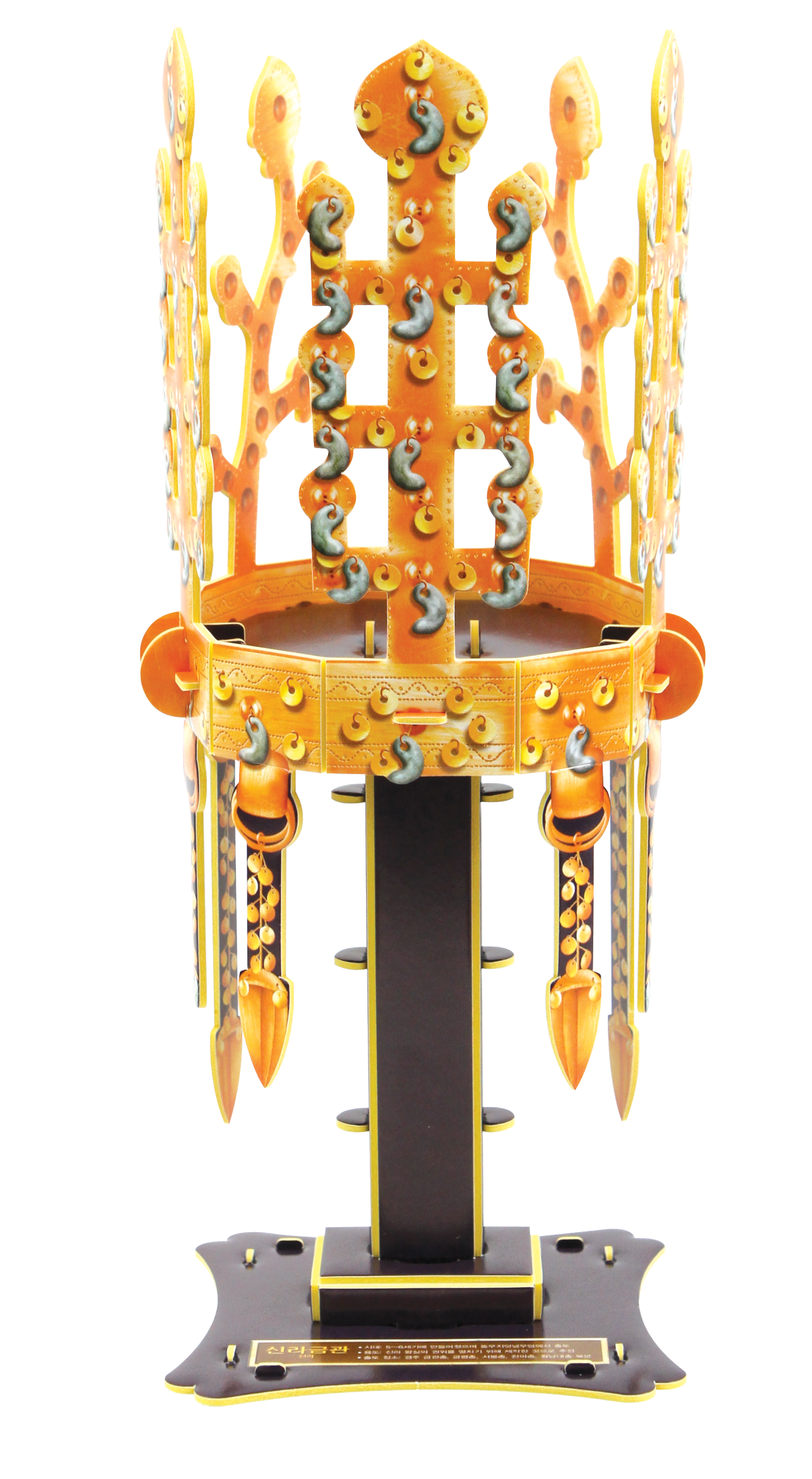
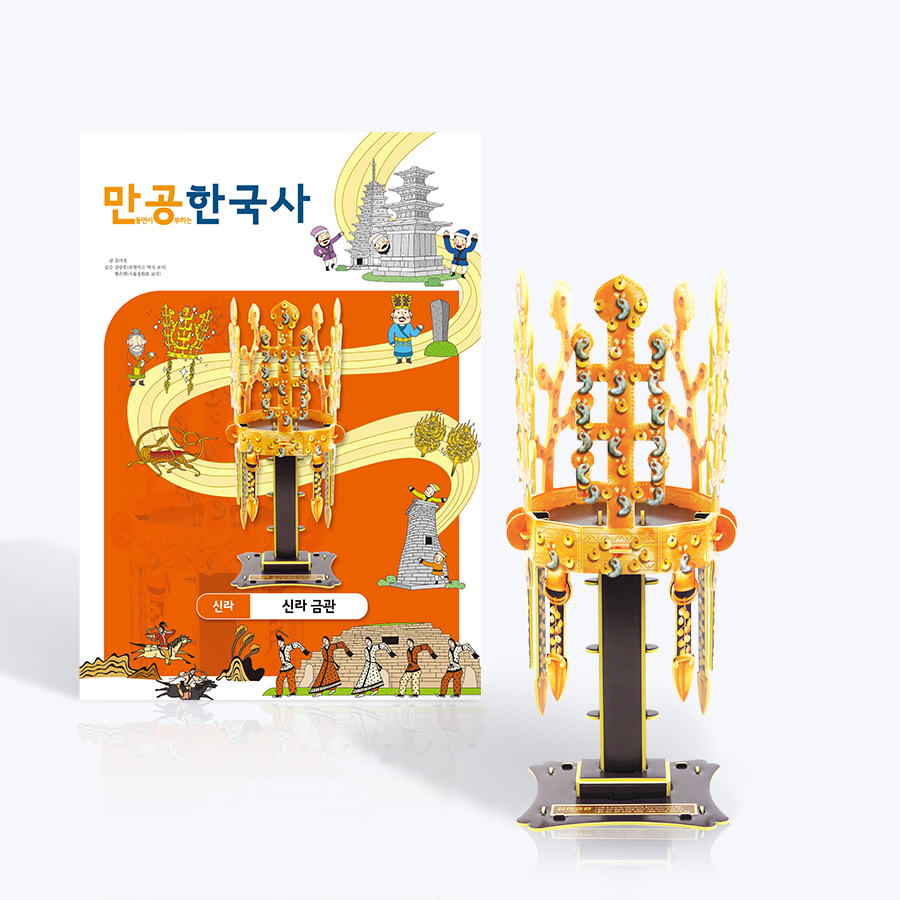
Model Name: Silla Gold Crown
Model No.: HS20-013
PCS: 17
Ages: 8+
Difficulty: ★★★☆☆☆☆
Assembled Size: 103x127x268
Board Size: 300×210
Product Contents: Puzzle Board, Instruction Sheet
| 17 | 8+ | ★★★☆ ☆☆☆ | 103x127x268(mm) | 300×210(mm) x 2Sheets |
| PCS | Ages | Difficulty | Assembled Size | Board Size |
Summery of key features
- No. HS20-013
- Board Size: 300×210(mm)x2Sheets
3D Puzzle
Learning Through Play
Best Hands-on Education
We believe in
Hands-On Education
Hands-on learning is the best approach to learning rather than just being taught the theory via books.
Information
Silla Gold Crown
1.What is the Silla Gold Crown?
- The Silla Gold Crown is a treasure found in ancient tombs from the Silla Kingdom. So far, several gold crowns have been discovered:
- Gold Crown from Geumgwan Tomb (discovered in 1921, National Treasure No. 87)
- Gold Crown from Geumryeong Tomb (discovered in 1924, Treasure No. 338)
- Gold Crown from Seobong Tomb (discovered in 1925, Treasure No. 339)
- Gold Crown from Cheonma Tomb (discovered in 1973, National Treasure No. 188)
- Gold Crown from the North Mound of Hwangnamdaechong Tomb (discovered in 1974, National Treasure No. 191)
2. What does the Gold Crown from Geumgwan Tomb look like?
The most famous and first-discovered gold crown from the Silla Kingdom is the one found in the Geumgwanchong Tomb. It is 44.4 centimeters tall, with a headband that is 19 centimeters wide, and it weighs about 1 kilogram. The crown is made from very thin gold—less than 1 millimeter thick! Hundreds of decorations were added, and the tall pieces were fixed with small gold nails. On the front of the round headband, there are three tree-branch shapes. This design looks like the Chinese letter “出” and can only be found on Silla crowns. On the back, there are two deer-antler shapes standing on each side. Why tree branches? This is because they thought of a straight tree as a being close to the sky. The deer antler-shaped decorations also symbolize a deer with horns that connects heaven and this world. The hundreds of green decorations, which look like babies or leaves, are called gobeunok (gogok), and they mean new life. The people of Silla put these decorations on the crown because they hoped the dead person could be born again into a new life.
3.What is the Silla gold crown for?
Did you know that people in Silla loved gold? In ancient Islamic empires, Silla was even called “the country of gold.” Because of this love for gold, Silla created beautiful jewelry and developed amazing gold crafting skills.
Did the people of Silla make this gold crown to really wear on the head? Or was it just for decoration? Because the crown was made of thin gold plates with hundreds of decorations, it shook when moved and was very heavy. So even a royal person would have found it hard to walk around wearing it. Then why did they make the gold crown? Maybe it was made for the dead king, to be buried together in the tomb. In fact, the gold crown found in Cheonmachong covered the dead person’s face like a cone-shaped hat.
4. Did you know that there were glass bowls among Silla’s burial goods?
The things buried together with a dead person are called gyeomutgeori in Korean. Another word for them is burial goods. They buried gold ornaments, weapons, and many other things the person used. This was because they hoped life in this world would continue in the afterlife.
But surprisingly, a glass bowl was found as burial goods in Hwangnamdaechong, a Silla tomb. Isn’t that strange? The people of Silla did not make glass bowls, and at that time they did not exist in Goguryeo, Baekje, or Gaya. They were found only in Silla tombs.
Maybe the Roman glass bowls came to Silla through the Silk Road, the trade route that connected China and Europe. These glass bowls are proof that Silla actively traded with many foreign countries.
5. Glossary
Islamic Empire: A name for the empires built by Arab Muslims from the 7th to the 13th century, mainly in West Asia.
Silk Road: The name means “the road of silk.” It was an ancient trade route across inland Asia. The name came from Chinese silk, which was the most famous product carried from the East to the West.
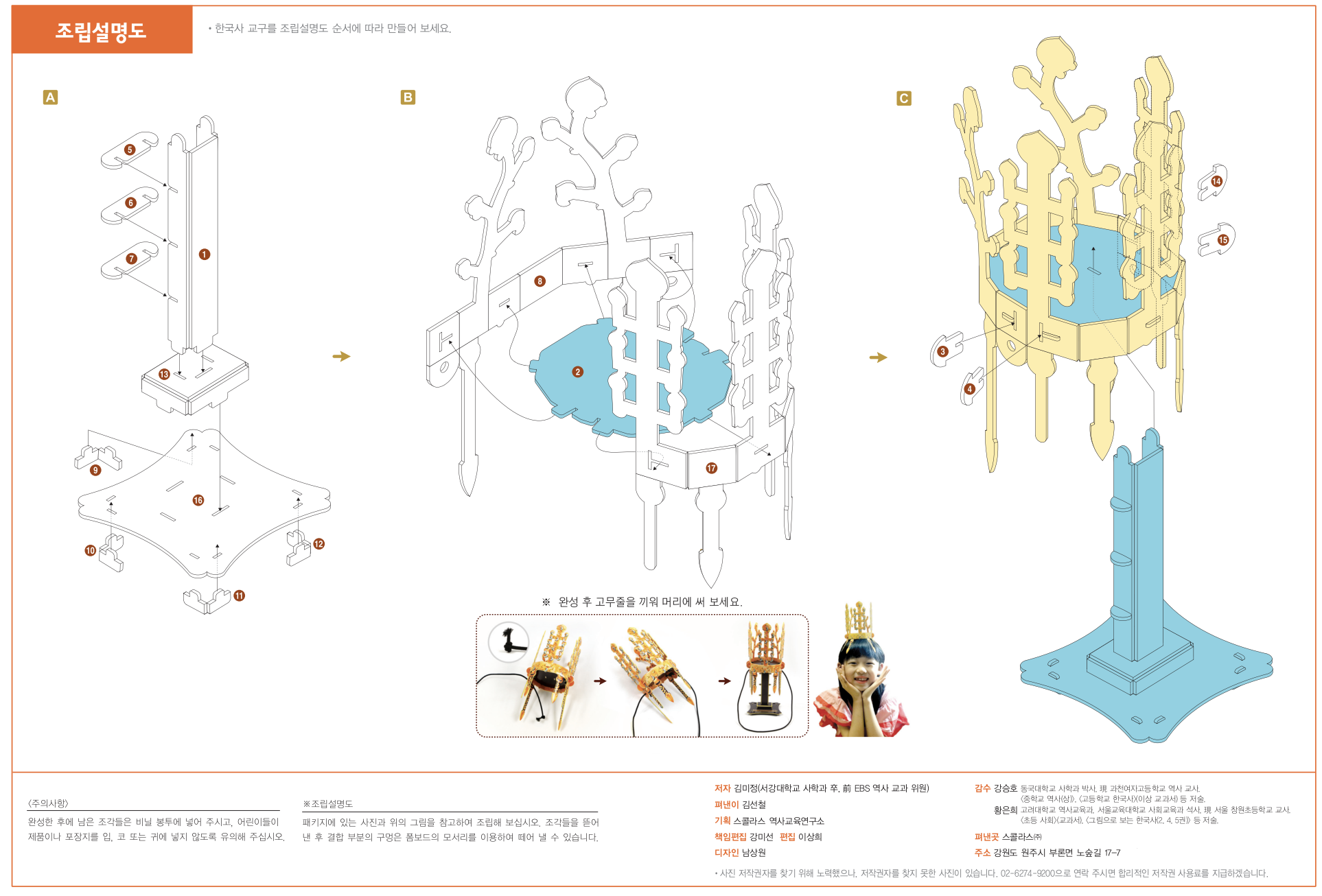
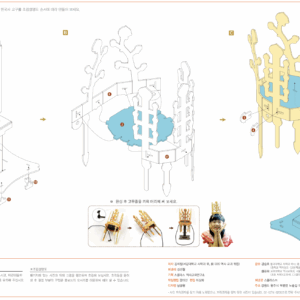
How To Make
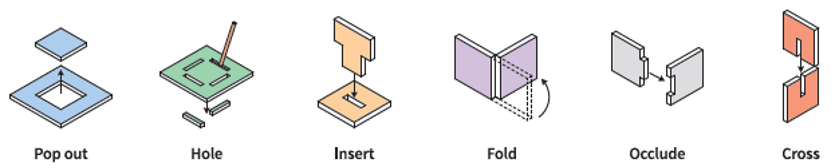
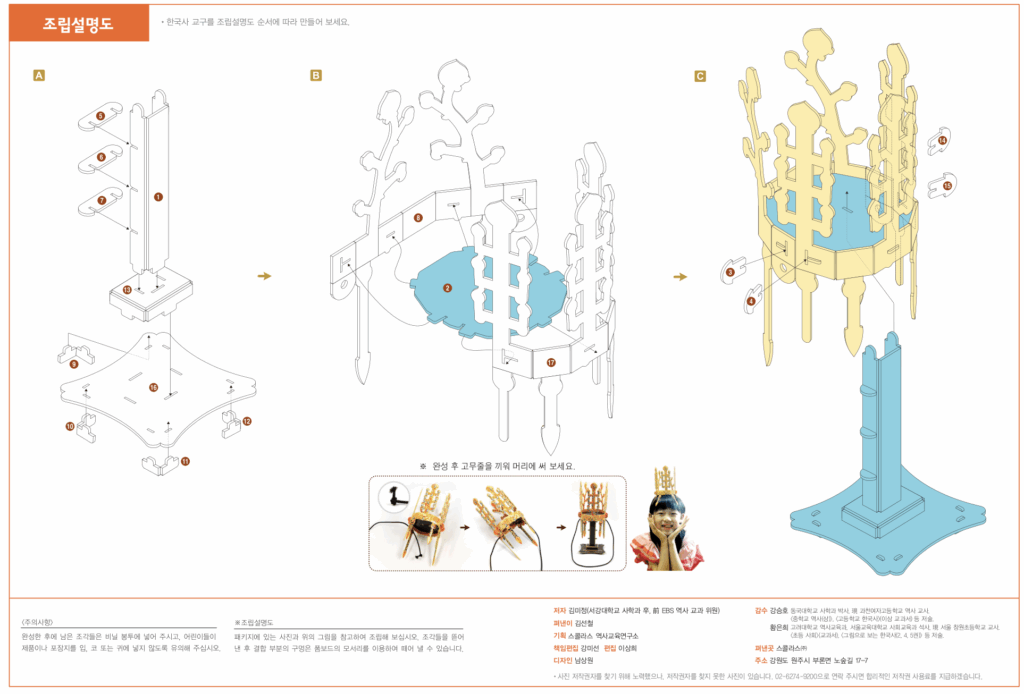
Instructions
Why do you need 3D Puzzle
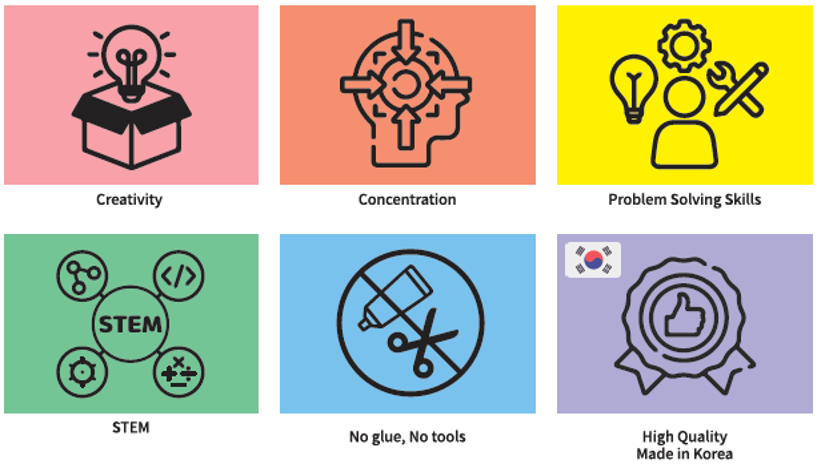
3D Puzzles enhances problem-solving skills, scientific thinking, and creativity, making them highly beneficial for STEM (Science, Technology, Engineering, and Mathematics).
What Our Customers Say
Explore why enthusiasts rave about building 3D puzzle. Here are some stories from our satisfied customers!
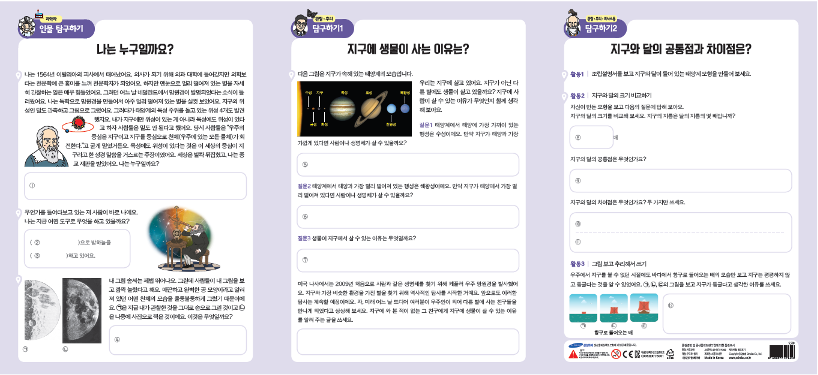
Student Worksheet & Answer Sheet Download
Certification

Reviews
There are no reviews yet.