
Description
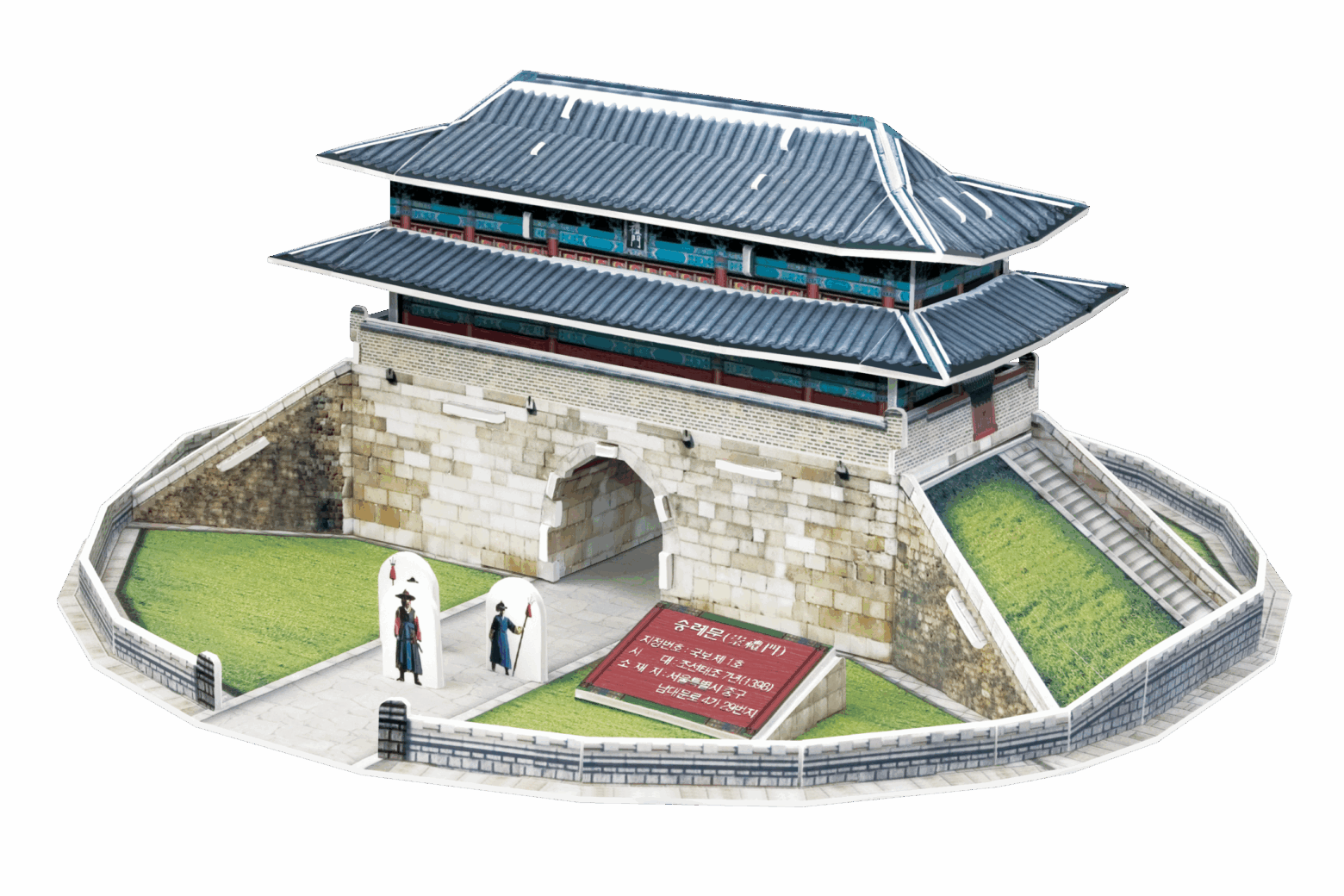
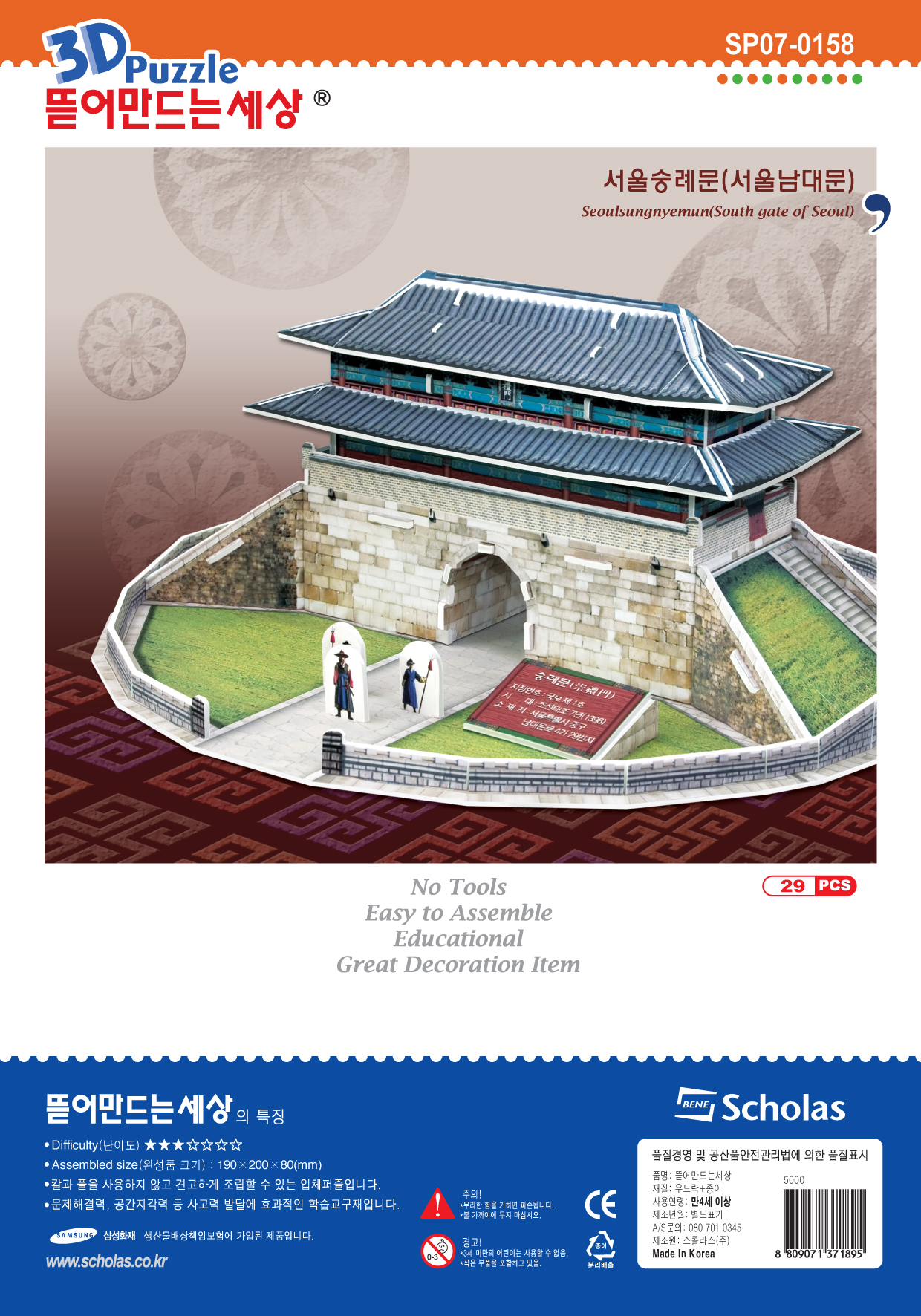
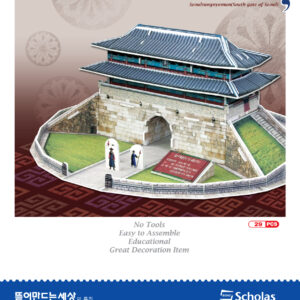
Sungnyemun
Category: K-history
Model Name: Sungnyemun
Model No.: HS20-028
PCS: 29
Ages: 8+
Difficulty: ★★★☆☆☆☆
Assembled Size: 190x200x80
Board Size: 300×210
Product Contents: Puzzle Board, Instruction Sheet
| 29 | 8+ | ★★★☆☆☆☆ | 190x200x80(mm) | 150×210(mm) x 2Sheets |
| PCS | Ages | Difficulty | Assembled Size | Board Size |
Summery of key features
- No. HS20-028
- Board Size: 150×210(mm)x2Sheets
3D Puzzle
Learning Through Play
Best Hands-on Education
We believe in
Hands-On Education
Hands-on learning is the best approach to learning rather than just being taught the theory via books.
Information
Sungnyemun
1. What Is Sungnyemun?
Sungnyemun, the main gate of the capital city and its fortress wall, is designated as Korea’s National Treasure No. 1. The name Sungnyemun means “Respect the Rites,” and construction began in the 5th year of King Taejo’s reign (1396), completed in the 7th year (1398).
It was later renovated twice—once in the 29th year of King Sejong’s reign (1447) and again in the 10th year of King Seongjong’s reign (1479). During the Japanese colonial period, parts of the fortress wall surrounding Sungnyemun were demolished to build roads.
In 2008, an arson attack by a citizen destroyed the wooden structure of Sungnyemun. After 5 years and 2 months of restoration work, the gate was fully restored to its original form in 2013.
2. Why Is the Sungnyemun Nameplate Written Vertically?
Most nameplates on buildings from the Joseon Dynasty are written horizontally. However, Sungnyemun’s nameplate is uniquely written vertically. Why?
It was done to counteract the energy of fire. To the south of Sungnyemun lies Gwanaksan Mountain, which was traditionally believed to emit strong fire energy. To protect the royal palace from this influence, the character “Ye” (禮)—which represents fire in the philosophy of Yin-Yang and the Five Elements—was included in the name.
Writing the name vertically was meant to symbolize flames rising upward, thereby neutralizing the fire energy from the mountain.
Who wrote the nameplate?
According to Jibong Yuseol, an encyclopedia compiled by late Joseon scholar Lee Su-gwang in 1614, the calligraphy was done by Prince Yangnyeong, the eldest son of King Taejong.
Architecture of the Joseon Dynasty
3. What Buildings Were Constructed in Early Joseon?
Many iconic structures such as Sungnyemun, Heunginjimun, and Gyeongbokgung Palace were built during the early Joseon period. Other examples include Donhwamun Gate of Changdeokgung and Namdaemun in Gaeseong.
During this time, palaces, fortress walls, government offices (gwana), and schools were actively constructed. Joseon architects aimed to preserve the natural landscape and build structures that harmonized with their surroundings. As a result, Joseon architecture is known for its modest elegance and seamless integration with nature.
4. Did Social Status Affect the Size of Houses in Joseon?
Yes. In the Joseon Dynasty, the size of a building was legally restricted based on the owner’s social status. Even wealthy individuals were prohibited from constructing buildings beyond the limits set by law. This was intended to preserve the class system and prevent excessive luxury.
The names of buildings also varied according to status:
“Jeon” (殿): Reserved for the highest-ranking buildings, used only by the king, queen, or royal elders. These buildings were used for formal ceremonies rather than daily life.
“Dang” (堂): A step below “Jeon,” used for important but less formal buildings.
“Hap” (閤) and “Gak” (閣): Auxiliary buildings that supported the main structures.
Commoners were never allowed to name their buildings with “Jeon,” and could only use “Dang” at most.
5. Glossary
Jibong Yuseol (지봉유설): An encyclopedia compiled by scholar Lee Su-gwang in the 6th year of King Gwanghaegun’s reign (1614).
Gwana (관아): Government offices where officials lived and worked, similar to modern administrative buildings.
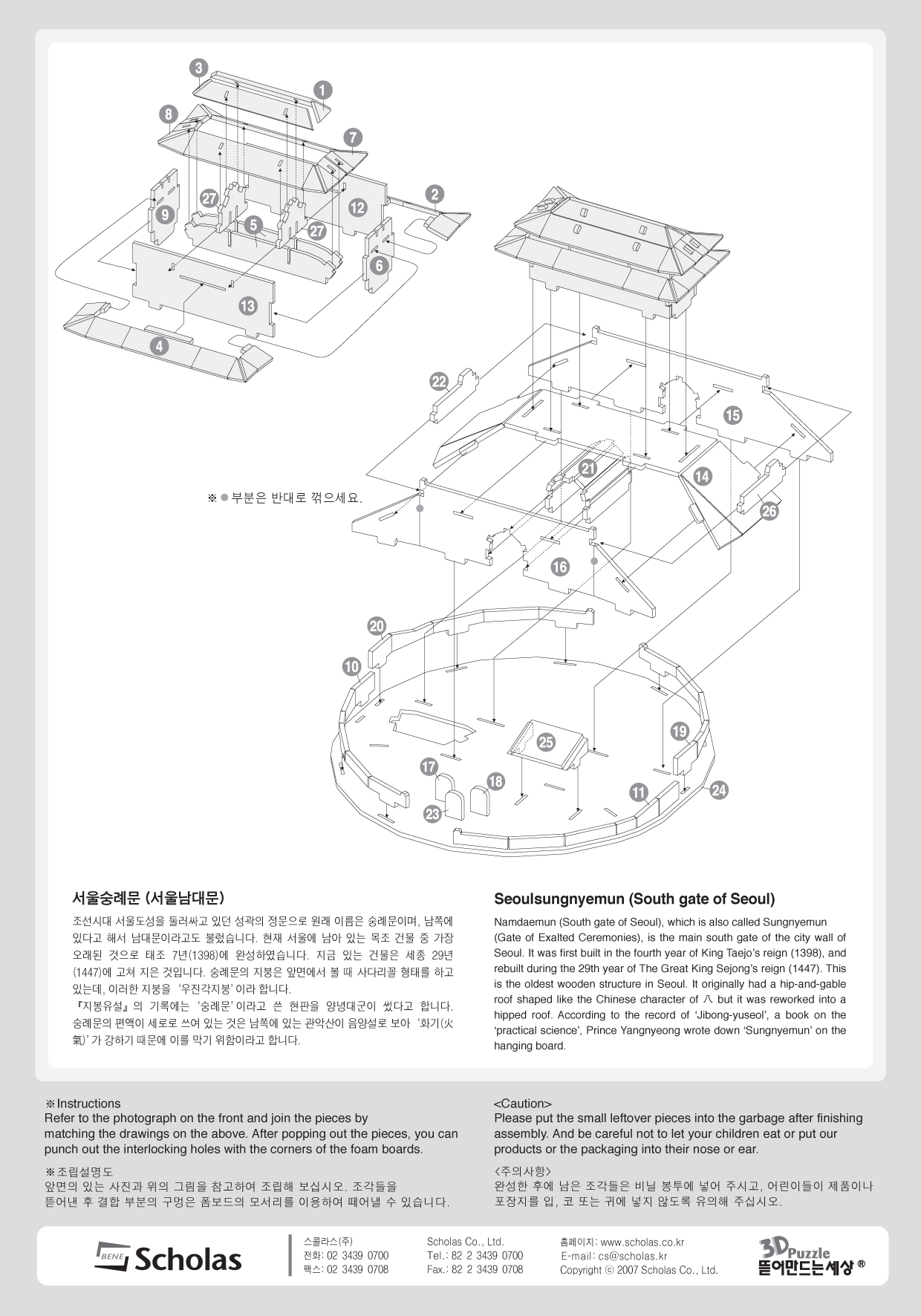
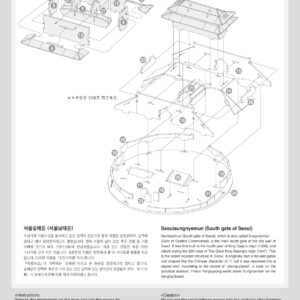
How To Make
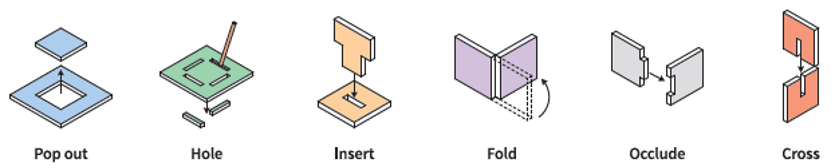
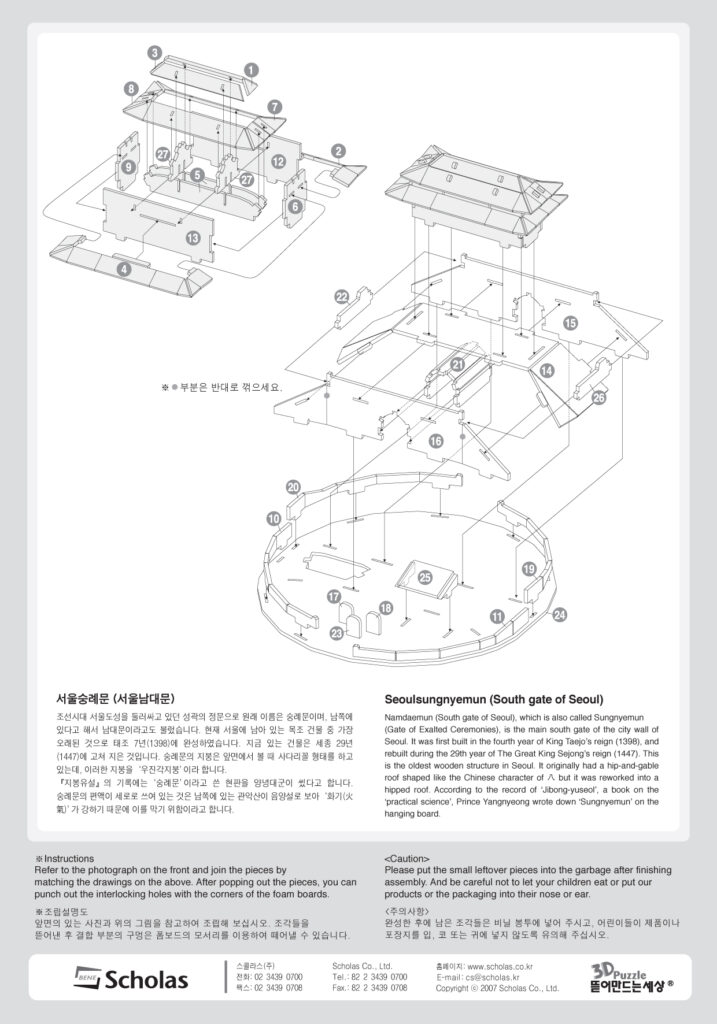
Instructions
Why do you need 3D Puzzle
3D Puzzles enhances problem-solving skills, scientific thinking, and creativity, making them highly beneficial for STEM (Science, Technology, Engineering, and Mathematics).
What Our Customers Say
Explore why enthusiasts rave about building 3D puzzle. Here are some stories from our satisfied customers!
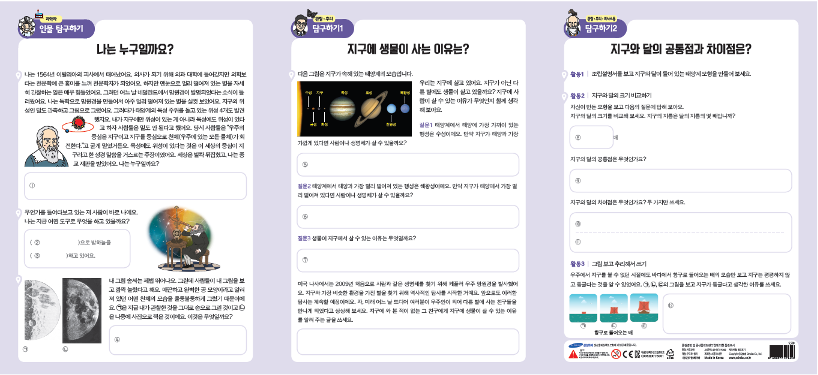
Student Worksheet & Answer Sheet Download
Certification

Reviews
There are no reviews yet.