
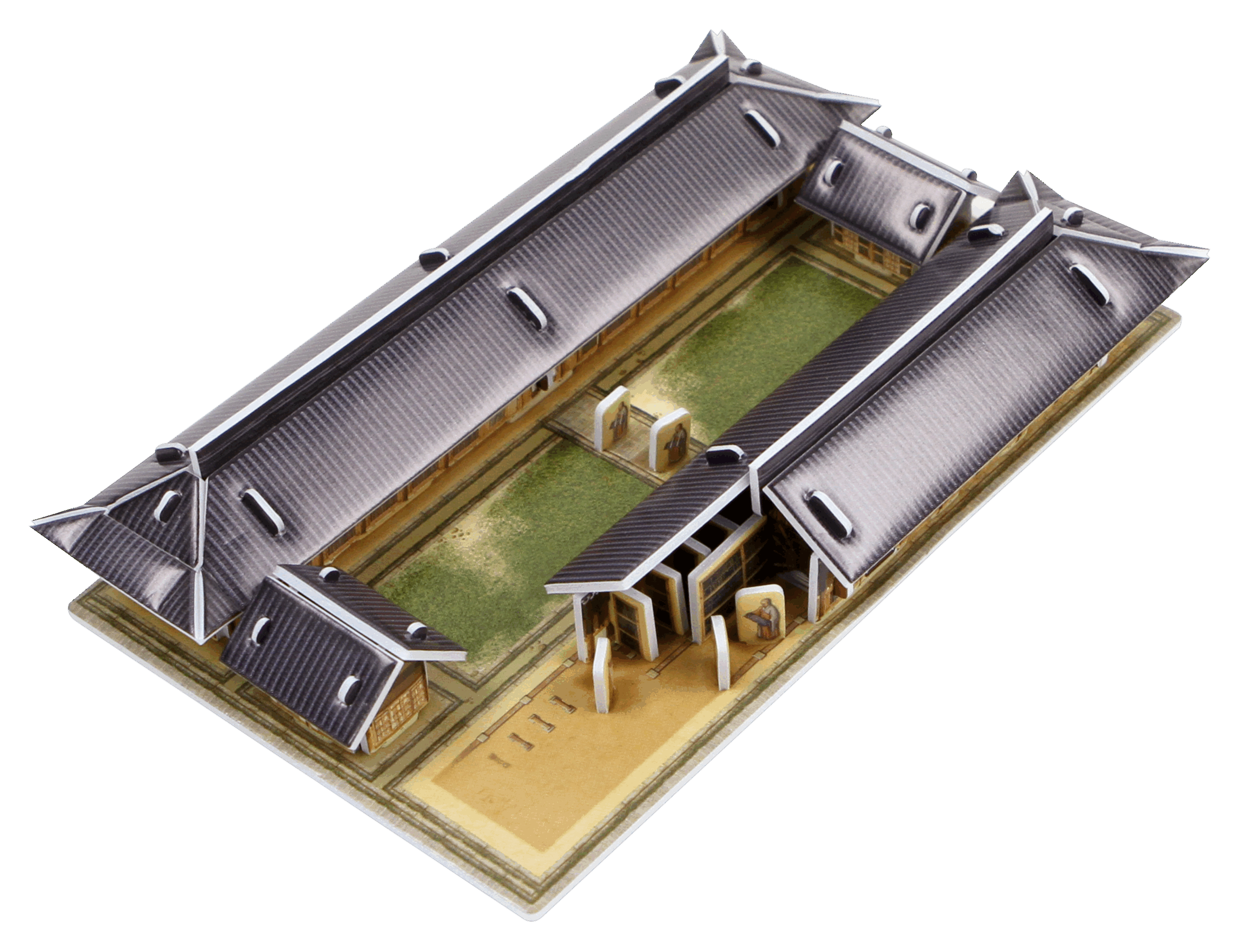
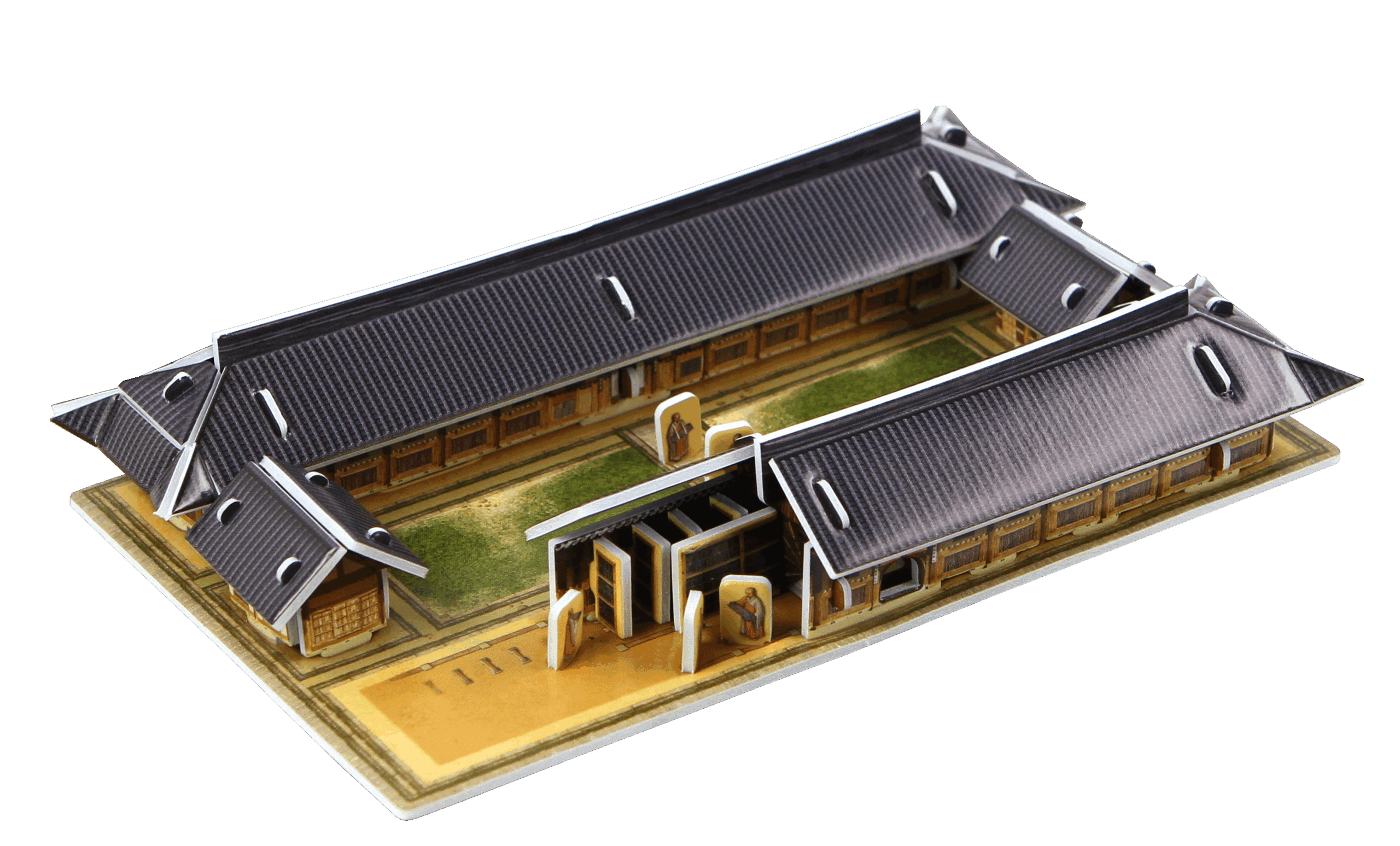

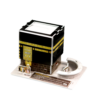
Description
Janggyeong Panjeon
Category: K-history
Model Name: Janggyeong Panjeon
Model No.: HS20-023
PCS: 42
Ages: 8+
Difficulty: ★★★☆☆☆☆
Assembled Size: 250x170x90
Board Size: 300×210
Product Contents: Puzzle Board, Instruction Sheet
| 42 | 8+ | ★★★☆ ☆☆☆ | 250x170x90(mm) | 300×210(mm) x 2Sheets |
| PCS | Ages | Difficulty | Assembled Size | Board Size |
Summery of key features
- No. HS20-023
- Board Size: 300×210(mm)x2Sheets
3D Puzzle
Learning Through Play
Best Hands-on Education
We believe in
Hands-On Education
Hands-on learning is the best approach to learning rather than just being taught the theory via books.
Information
Janggyeong Panjeon of Haeinsa
1. What Is the Janggyeong Panjeon of Haeinsa?
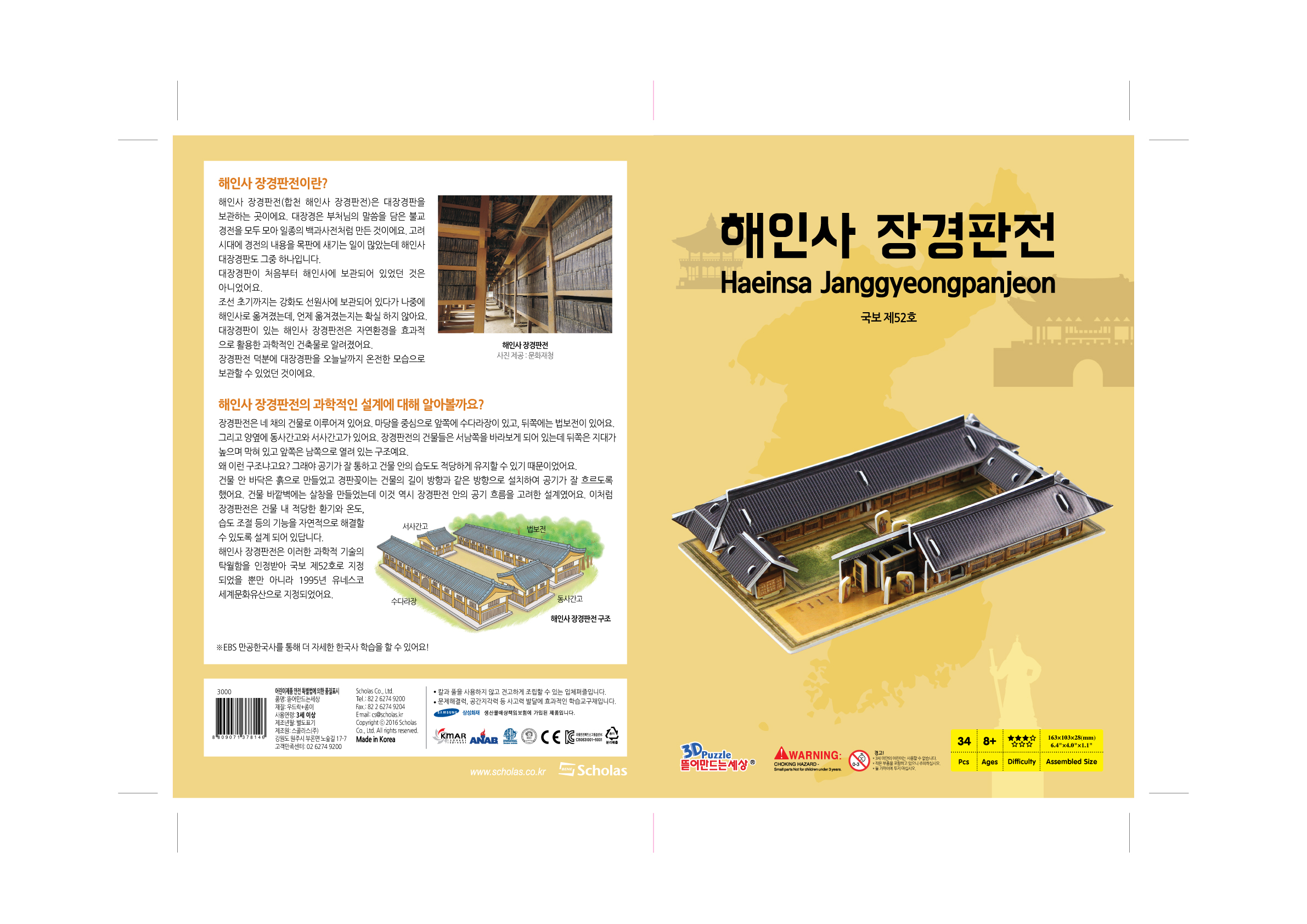
The Janggyeong Panjeon at Haeinsa Temple (located in Hapcheon) is the storage hall for the Tripitaka Koreana woodblocks. The Tripitaka Koreana is a comprehensive collection of Buddhist scriptures that contain the teachings of the Buddha, compiled like an encyclopedia. During the Goryeo Dynasty, it was common to engrave these scriptures onto wooden blocks, and the Tripitaka Koreana at Haeinsa is one of the most notable examples.
Interestingly, the woodblocks were not originally housed at Haeinsa. Until the early Joseon Dynasty, they were kept at Seonwonsa Temple on Ganghwa Island. Later, they were moved to Haeinsa, though the exact date of the relocation remains uncertain.
The Janggyeong Panjeon is renowned for its scientific architectural design, which cleverly utilizes the natural environment. Thanks to this design, the woodblocks have been preserved in excellent condition to this day.
2. Let’s Explore the Scientific Design of the Janggyeong Panjeon
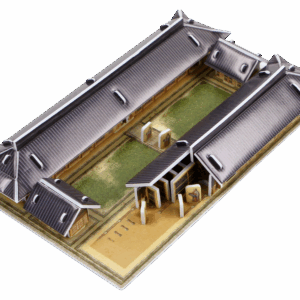
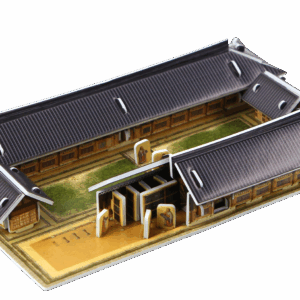
The Janggyeong Panjeon consists of four buildings arranged around a central courtyard. At the front is the Sudarajang, at the back is the Beopbojeon, and on either side are the Dongsagango and Seosagango.
These buildings face the southwest, with the rear side built against a higher elevation and enclosed, while the front side opens toward the south. Why this layout? It allows for optimal airflow and helps maintain appropriate humidity levels inside the buildings.
The floors inside are made of earth, and the shelving for the woodblocks is aligned lengthwise with the building to facilitate air circulation. The outer walls feature slatted windows, which also contribute to the airflow within the structure.
This thoughtful design naturally regulates ventilation, temperature, and humidity—essential for preserving the delicate woodblocks. Due to its outstanding scientific and architectural value, the Janggyeong Panjeon was designated as National Treasure No. 52 and recognized as a UNESCO World Cultural Heritage site in 1995.
3. When Was the Tripitaka Koreana at Haeinsa Created?
The Tripitaka Koreana at Haeinsa Temple (Hapcheon) is considered the oldest and most complete collection of Buddhist scriptures still in existence worldwide. It was created during the Mongol invasions, as a spiritual effort to overcome the crisis through the power of the Buddha’s teachings. The project began in the 23rd year of King Gojong’s reign (1236) and was completed in the 38th year (1251).
The collection consists of approximately 80,000 woodblocks, containing 84,000 Buddhist teachings, which is why it’s also known as the “Eighty-Thousand Tripitaka.” It was designated as National Treasure No. 32 and recognized as a UNESCO Memory of the World in 2007.
4. How Were the Tripitaka Koreana Woodblocks at Haeinsa Made?
The woodblocks of the Tripitaka Koreana at Haeinsa vary in size:
Length: between 68 cm and 78 cm
Width: approximately 24 cm
Thickness: between 2.7 cm and 3.3 cm
Weight: most blocks weigh between 3 and 3.5 kg, though some can reach up to 4.4 kg depending on the material used
The Production Process
The creation of these woodblocks involved a highly meticulous and scientific process:
- Wood Selection and Aging To prevent cracking and warping, the wood was cut and left untouched for 1 to 2 years.
Boiling in Salt Water The wood was then boiled in salt water. This coated the surface with a thin layer of salt, which helped prevent insect damage and softened the grain.
Drying and Shaping After boiling, the wood was dried in the shade for several years, then cut into plank shapes.Surface Preparation The surface of each plank was smoothed, and maguri (end pieces) were attached.
Transferring the Text Glue was applied to the plank, and a sheet of hanji (traditional Korean paper) with the Buddhist scripture written on it was pasted face-down, so the text faced the wood.
Engraving Craftsmen carved out the non-text areas, leaving the characters raised on the surface.
Printing Ink was evenly applied to the engraved woodblock, and paper was pressed lightly using a maryeok (a bundle made of horsehair or human hair).
Preservation To ensure long-term durability, the woodblocks were coated with lacquer.
Final Cleaning and Storage After printing, the blocks were cleaned with cooled boiled salt water, dried in the shade, and then stored neatly in specially designed shelves called panga.
5. Glossary of Terms
| Term | Definition |
|---|---|
| Salchang | A window made with thin wooden slats |
| Maguri | End pieces attached to both ends of a long object |
| Maryeok | A round bundle made of horsehair or human hair, used in woodblock printing |
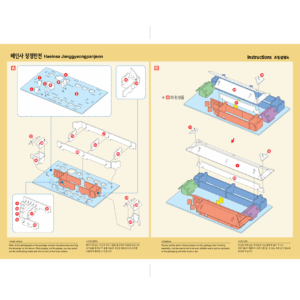
How To Make
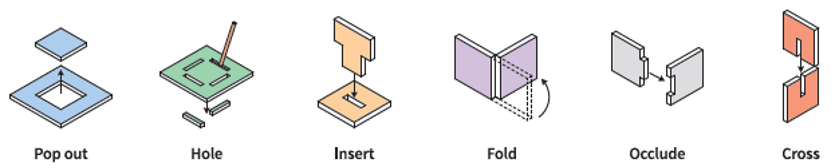
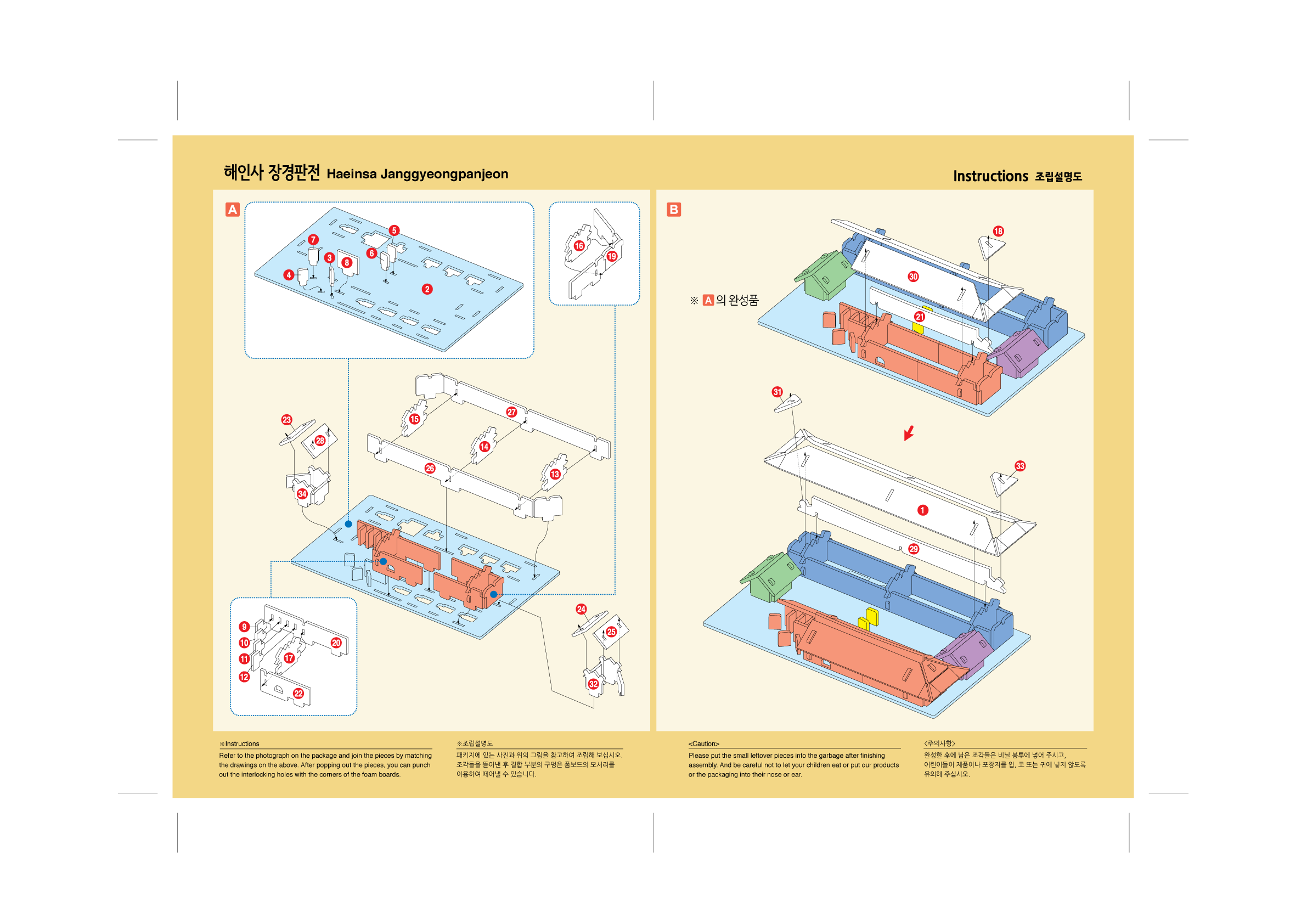
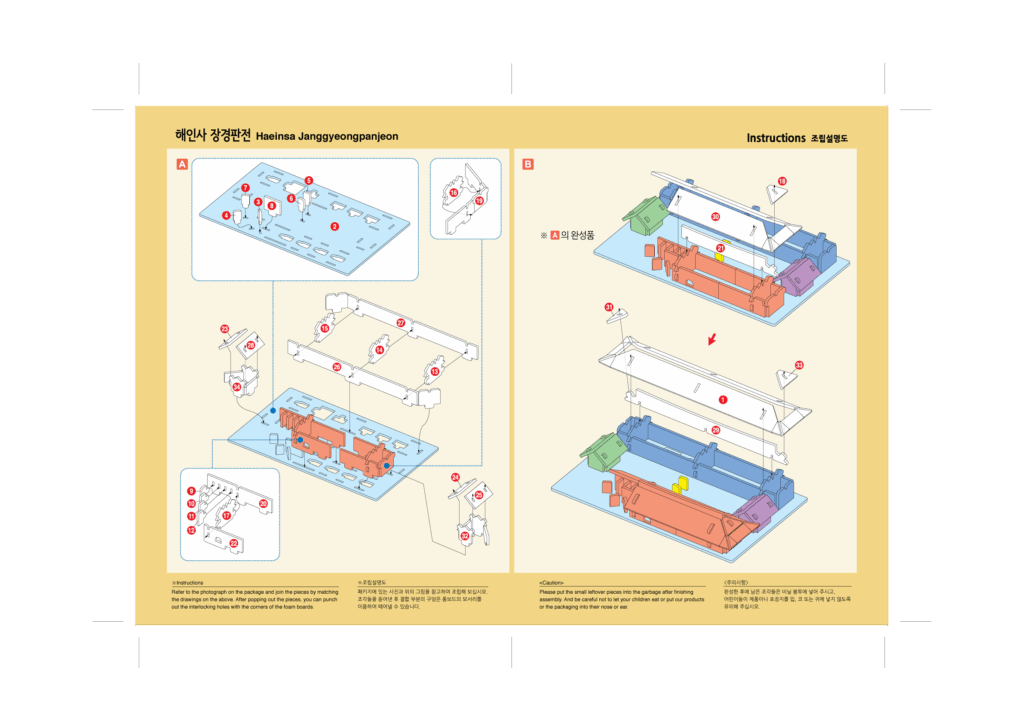
Instructions
Why do you need 3D Puzzle
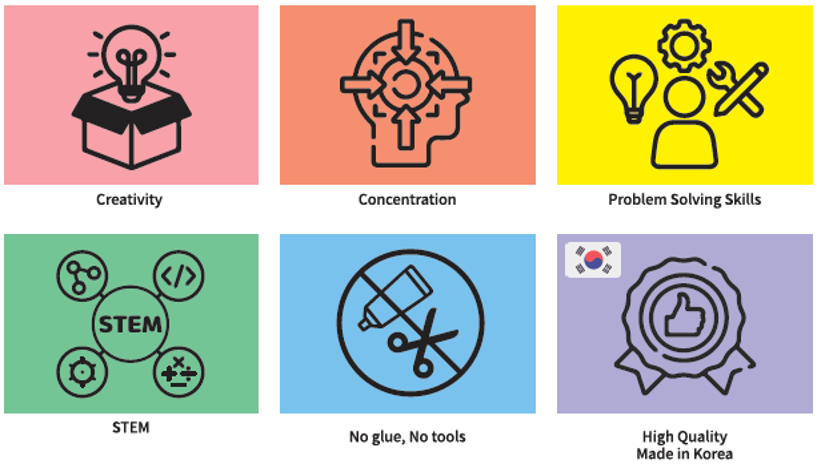
3D Puzzles enhances problem-solving skills, scientific thinking, and creativity, making them highly beneficial for STEM (Science, Technology, Engineering, and Mathematics).
What Our Customers Say
Explore why enthusiasts rave about building 3D puzzle. Here are some stories from our satisfied customers!
Student Worksheet & Answer Sheet Download
Certification

Reviews
There are no reviews yet.