

Description
Muyongchong
Category: K-history
Model Name: Muyongchong
Model No.: HS20-005
PCS: 35
Ages: 8+
Difficulty: ★★☆☆☆☆☆
Assembled Size: Max.180x90x75
Board Size: 300×210
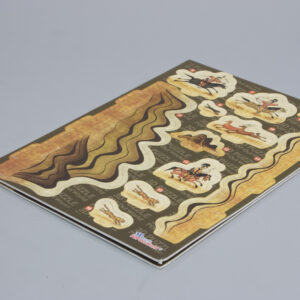
Product Contents: Puzzle Board, Instruction Sheet
| 35 | 8+ | ★★☆☆ ☆☆☆ | Max.180x90x75(mm) | 300×210(mm) x 2Sheets |
| PCS | Ages | Difficulty | Assembled Size | Board Size |
Summery of key features
- No. HS20-005
- Board Size: 300×210(mm)x2Sheets
3D Puzzle
Learning Through Play
Best Hands-on Education
We believe in
Hands-On Education
Hands-on learning is the best approach to learning rather than just being taught the theory via books.
Information
Muyongchong
1. What Is the Tomb of the Dancers (Muyongchong)?
The Tomb of the Dancers, or Muyongchong, is located in Ji’an County, Jilin Province, China. It is believed to be the burial site of a Goguryeo noble, although the exact date of its construction and the identity of the person buried there remain unknown.
Why is it called the “Tomb of the Dancers”? The name comes from a mural inside the tomb that depicts people dancing. The tomb contains numerous wall paintings, which serve as valuable resources for understanding how Goguryeo people lived during that time.
2. What Kind of Murals Are Found in Muyongchong?
Let’s explore the murals inside Muyongchong in order:
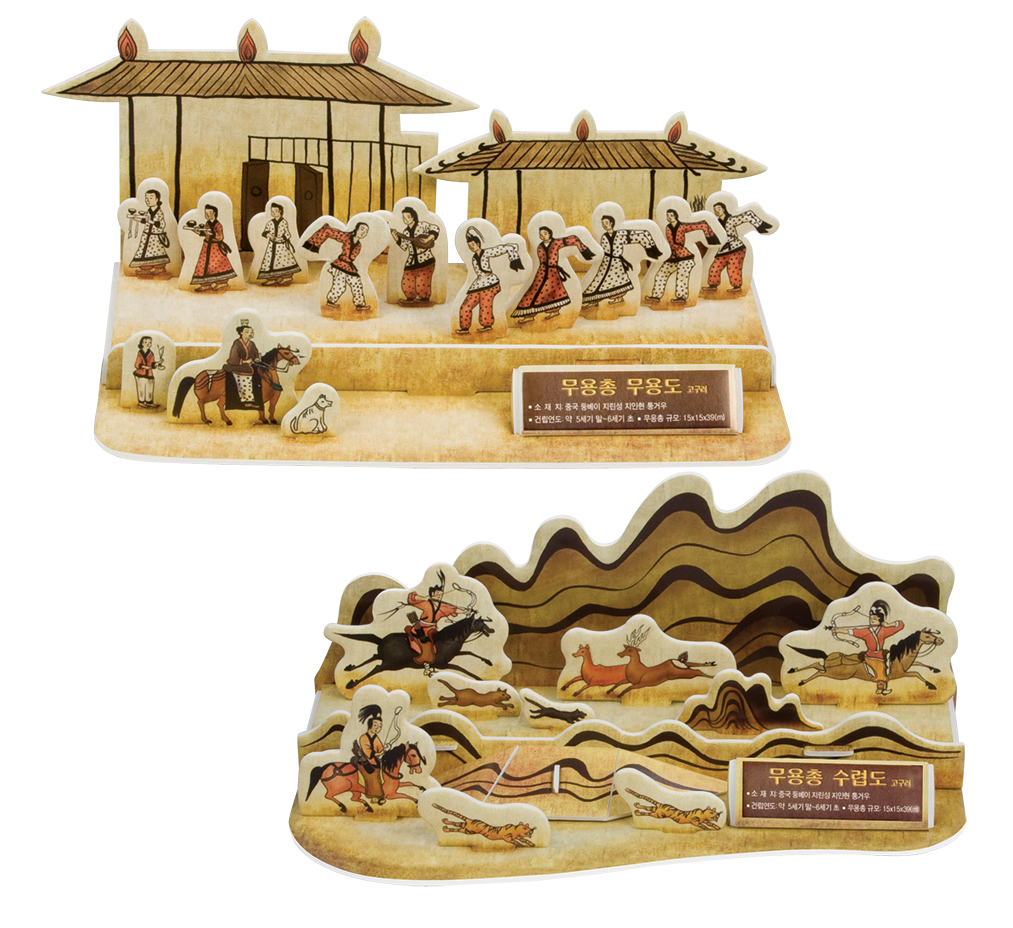
On the front wall, there is a Reception Scene showing the tomb’s owner welcoming guests.
On the right wall, the famous Dance Scene depicts dancers with long sleeves flowing behind their shoulders. One figure appears to be directing the dancers, while five performers dance in front of the mounted tomb owner. Below them, seven men and women are shown singing in chorus.
On the inner wall, there is a painting of two tiled-roof houses and three women carrying trays of food.
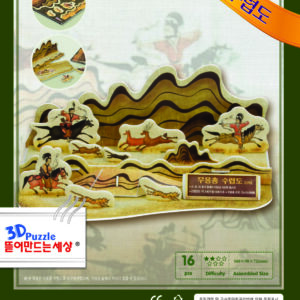
On the left wall, a Hunting Scene shows mounted archers in dynamic poses, shooting arrows at startled tigers and deer. The mountains are drawn in wave-like patterns, rendered with remarkable detail and realism.
This mural alone supports historical records from Chinese texts that state, “Goguryeo people were excellent archers.”
On the ceiling, there are images of birds with human faces and immortal beings playing the geomungo (a traditional Korean zither).
3. How Was Social Status Divided in the Three Kingdoms?
During the Three Kingdoms period, society was clearly divided into ruling and subordinate classes. There were three main social ranks: nobles, commoners, and slaves. Each class had distinct housing and clothing styles.
The highest class included the royal family and aristocrats. They held government positions and enjoyed various social and economic privileges, living in luxurious homes with many attendants.
The second class consisted of commoners, mainly farmers. They made up the majority of the population and were required to pay taxes and participate in public labor projects like building fortresses and palaces.
The lowest class was the slaves, many of whom were either prisoners of war or people who had fallen into debt. Slaves were not treated as full human beings and were often bought and sold like property.
4. What Was the Bone-Rank System in Silla?
Silla had a unique social hierarchy known as the Bone-Rank System. The term combines “Gol” (bone), referring to royal lineage, and “Pum” (rank), referring to non-royal status.
Royal family members were divided into Sacred Bone (Seonggol) and True Bone (Jingol), while non-royals were classified into six ranks from Sixth Head Rank (Yukdupum) down to First Head Rank (Ildupum).
This system was hereditary, meaning one’s rank was passed down to their descendants. Only those of True Bone status could attain the highest government positions, similar to today’s ministers. Each rank had a limit on how high one could rise in office.
No matter how talented or intelligent a person was, if they weren’t of True Bone status, they could never reach the top. The Bone-Rank System also dictated everyday life, including the size and decoration of one’s house, clothing, and even the type of carriage one could use.
5. Glossary
Seonin (Immortal Being): A mythical figure believed to live in harmony with nature, free from worldly constraints. Also known as a Sinseon.
Bone-Rank System: A hereditary social structure in Silla that classified individuals by lineage, including Seonggol (Sacred Bone), Jingol (True Bone), and ranks from Sixth to First Head Rank.
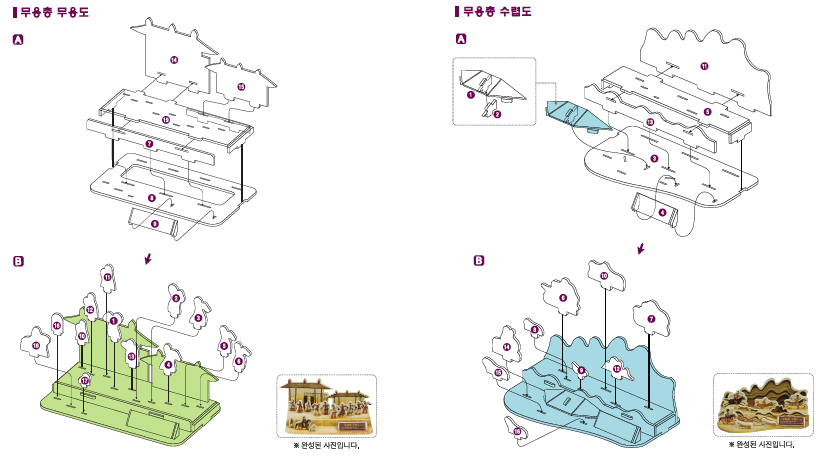
How To Make
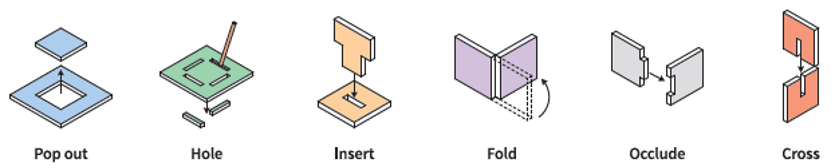
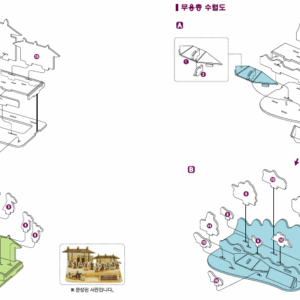
Instructions
Why do you need 3D Puzzle
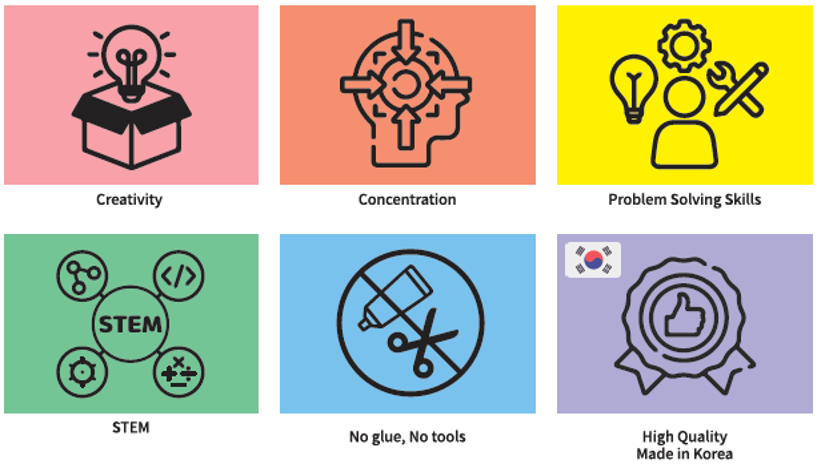
3D Puzzles enhances problem-solving skills, scientific thinking, and creativity, making them highly beneficial for STEM (Science, Technology, Engineering, and Mathematics).
What Our Customers Say
Explore why enthusiasts rave about building 3D puzzle. Here are some stories from our satisfied customers!
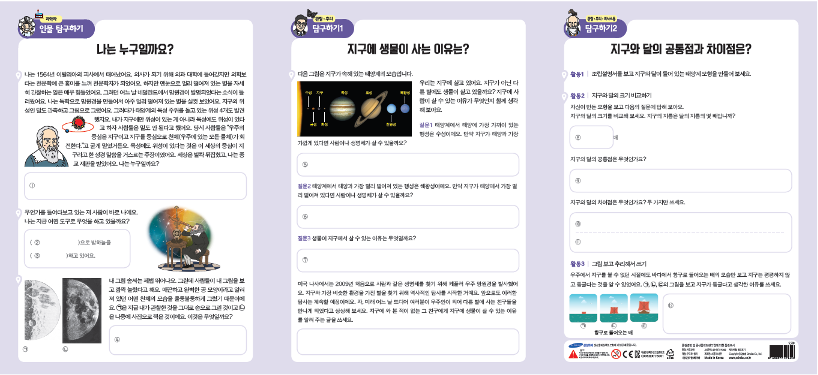
Student Worksheet & Answer Sheet Download
Certification

Reviews
There are no reviews yet.