 Click here to take the quiz!
What is the most commonly used material when making things? Think about everything you use from the moment you wake up until you go to bed—like toothbrushes, food containers, pencil cases, mechanical pencils. The most common material in these daily items is probably plastic. The first plastic was invented while people were trying to find a cheaper material for billiard balls. At that time, billiard balls were made of elephant ivory, which was very expensive. Then, a plastic called celluloid was developed, making it possible to produce affordable billiard balls. Later, thanks to the work of many scientists, different types of plastic were invented—like vinyl, nylon, polyethylene, polyurethane, and PET (polyethylene terephthalate)—which we use a lot today.
When plastic bags were first invented to replace paper bags, people thought plastic was an eco-friendly material because it would help save trees. But is that really true?
①  is lightweight and easy to shape into many forms. It can be transparent or made in a variety of colors. It doesn’t conduct electricity or heat well, is strong and hard to break, and is cheaper than many other materials, so it’s used all around us. But because of its so inexpensive, people often throw it away instead of recycling it. Since plastic doesn’t decompose, it remains in the ground or gets washed into the ocean, eventually forming floating garbage islands. Sea animals and birds often mistake floating plastic and vinyl for food, or get entangled in it, causing them pain and even death. Tiny broken pieces of plastic are called ② .
These microplastics are so small that they build up in ocean creatures like plankton and fish—and then also build up in the bodies of people who eat them. Microplastics can harm the brain and release harmful chemicals that disrupt how the body works. That’s why, starting now, we all need to use less plastic and choose safer to help protect all life on Earth.
is lightweight and easy to shape into many forms. It can be transparent or made in a variety of colors. It doesn’t conduct electricity or heat well, is strong and hard to break, and is cheaper than many other materials, so it’s used all around us. But because of its so inexpensive, people often throw it away instead of recycling it. Since plastic doesn’t decompose, it remains in the ground or gets washed into the ocean, eventually forming floating garbage islands. Sea animals and birds often mistake floating plastic and vinyl for food, or get entangled in it, causing them pain and even death. Tiny broken pieces of plastic are called ② .
These microplastics are so small that they build up in ocean creatures like plankton and fish—and then also build up in the bodies of people who eat them. Microplastics can harm the brain and release harmful chemicals that disrupt how the body works. That’s why, starting now, we all need to use less plastic and choose safer to help protect all life on Earth.
 is lightweight and easy to shape into many forms. It can be transparent or made in a variety of colors. It doesn’t conduct electricity or heat well, is strong and hard to break, and is cheaper than many other materials, so it’s used all around us. But because of its so inexpensive, people often throw it away instead of recycling it. Since plastic doesn’t decompose, it remains in the ground or gets washed into the ocean, eventually forming floating garbage islands. Sea animals and birds often mistake floating plastic and vinyl for food, or get entangled in it, causing them pain and even death. Tiny broken pieces of plastic are called ② .
These microplastics are so small that they build up in ocean creatures like plankton and fish—and then also build up in the bodies of people who eat them. Microplastics can harm the brain and release harmful chemicals that disrupt how the body works. That’s why, starting now, we all need to use less plastic and choose safer to help protect all life on Earth.
is lightweight and easy to shape into many forms. It can be transparent or made in a variety of colors. It doesn’t conduct electricity or heat well, is strong and hard to break, and is cheaper than many other materials, so it’s used all around us. But because of its so inexpensive, people often throw it away instead of recycling it. Since plastic doesn’t decompose, it remains in the ground or gets washed into the ocean, eventually forming floating garbage islands. Sea animals and birds often mistake floating plastic and vinyl for food, or get entangled in it, causing them pain and even death. Tiny broken pieces of plastic are called ② .
These microplastics are so small that they build up in ocean creatures like plankton and fish—and then also build up in the bodies of people who eat them. Microplastics can harm the brain and release harmful chemicals that disrupt how the body works. That’s why, starting now, we all need to use less plastic and choose safer to help protect all life on Earth.
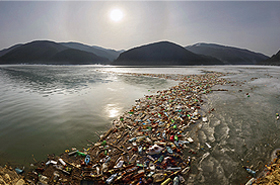
Floating garbage islands
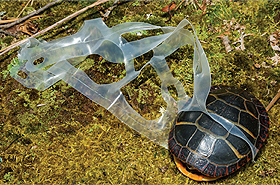
Turtle Entangled in Plastic
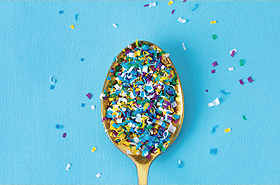
Microplastics
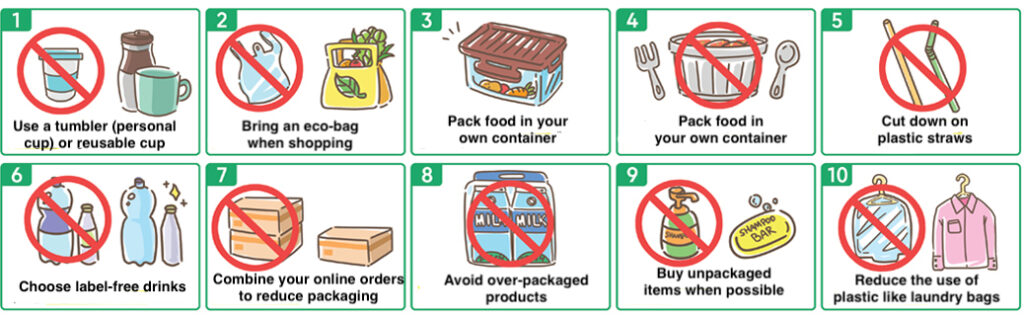
10 Ways to Join the Plastic Diet (Ministry of Environment)
Click here to take the quiz!
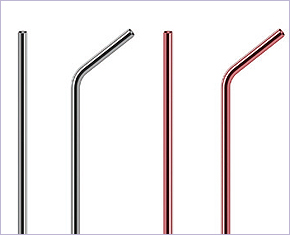
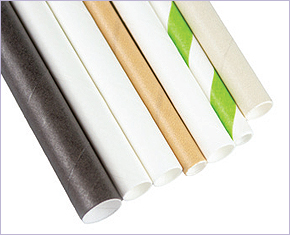
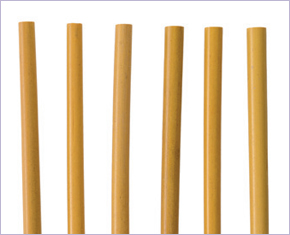
Understanding the Characteristics of Baseball Bat Materials
Baseball bats are made from aluminum or wood. A bat made from ⑦ is light and doesn’t break easily. It can hit the ball fast and far, even with little strength. But since the ball can fly too fast, it might cause injuries, so professional players don’t use it. A bat made from ⑧ can crack or break after a long time, but it is safer and more stable. That’s why professional players use wooden bats.
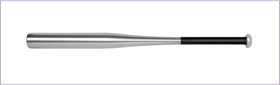
Aluminum bat
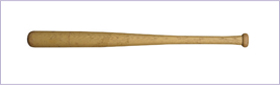
Wooden bat
Choosing the Right Materials for Different Objects
What kind of cup should my baby sibling use? ⑨
My baby sibling is starting to sits in a high chair and eat baby food. But the baby often drops the spoon and bowl. It happens so often that picking them up has become tiring. Yesterday, the baby reached for my ceramic cup. We all shouted, “No!” at the same time. The cup almost broke!
That’s when my mom decided to change the cup. What kind of cup should we use? We want something that’s safe for a baby to hold and doesn’t harm the environment.

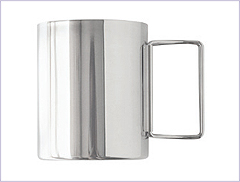
(a)Stainless steel cup
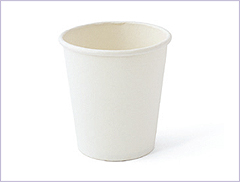
(b)Paper cup
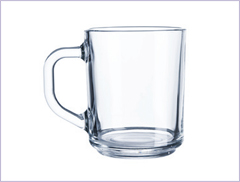
(c)Paper cup
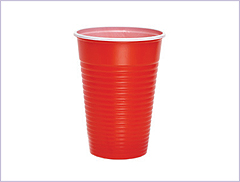
(d) Plastic cup
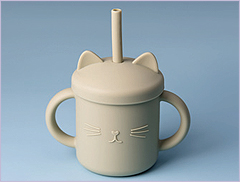
(e) Silicone cup
Click here to take the quiz!