
 Click here to take the quiz!
Have you ever noticed that the letters on the front of an ambulance are written backwards, like in the image on the right? When driving, the driver looks behind using the rearview mirror, which is positioned in the middle of the front seat, the image in the mirror is reversed along the ①  . This principle is used to write ‘119’ on the front of the ambulance in ② so that drivers of vehicles ahead can easily read it in their rearview mirrors.
How are mirrors made? During the Gojoseon period, bronze mirrors were made by polishing the metal surface until it was smooth, allowing light to reflect and objects to be seen. Mass production of mirrors became possible in 1835 when a German chemist invented a mirror by coating the surface of glass with a thin layer of silver.Until then, the process of making mirrors was extremely complex, so only the upper class could afford them. However, with this new manufacturing method, mirrors became affordable for the general public. Today, even cheaper mirrors can be made using materials like aluminum instead of silver.
Mirrors can make objects appear differently depending on their shape. For example, in a funhouse mirror at an amusement park, you may look taller, shorter, wider, or thinner.
. This principle is used to write ‘119’ on the front of the ambulance in ② so that drivers of vehicles ahead can easily read it in their rearview mirrors.
How are mirrors made? During the Gojoseon period, bronze mirrors were made by polishing the metal surface until it was smooth, allowing light to reflect and objects to be seen. Mass production of mirrors became possible in 1835 when a German chemist invented a mirror by coating the surface of glass with a thin layer of silver.Until then, the process of making mirrors was extremely complex, so only the upper class could afford them. However, with this new manufacturing method, mirrors became affordable for the general public. Today, even cheaper mirrors can be made using materials like aluminum instead of silver.
Mirrors can make objects appear differently depending on their shape. For example, in a funhouse mirror at an amusement park, you may look taller, shorter, wider, or thinner.
 . This principle is used to write ‘119’ on the front of the ambulance in ② so that drivers of vehicles ahead can easily read it in their rearview mirrors.
How are mirrors made? During the Gojoseon period, bronze mirrors were made by polishing the metal surface until it was smooth, allowing light to reflect and objects to be seen. Mass production of mirrors became possible in 1835 when a German chemist invented a mirror by coating the surface of glass with a thin layer of silver.Until then, the process of making mirrors was extremely complex, so only the upper class could afford them. However, with this new manufacturing method, mirrors became affordable for the general public. Today, even cheaper mirrors can be made using materials like aluminum instead of silver.
Mirrors can make objects appear differently depending on their shape. For example, in a funhouse mirror at an amusement park, you may look taller, shorter, wider, or thinner.
. This principle is used to write ‘119’ on the front of the ambulance in ② so that drivers of vehicles ahead can easily read it in their rearview mirrors.
How are mirrors made? During the Gojoseon period, bronze mirrors were made by polishing the metal surface until it was smooth, allowing light to reflect and objects to be seen. Mass production of mirrors became possible in 1835 when a German chemist invented a mirror by coating the surface of glass with a thin layer of silver.Until then, the process of making mirrors was extremely complex, so only the upper class could afford them. However, with this new manufacturing method, mirrors became affordable for the general public. Today, even cheaper mirrors can be made using materials like aluminum instead of silver.
Mirrors can make objects appear differently depending on their shape. For example, in a funhouse mirror at an amusement park, you may look taller, shorter, wider, or thinner.
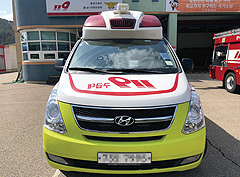
The letters written on the ambulance
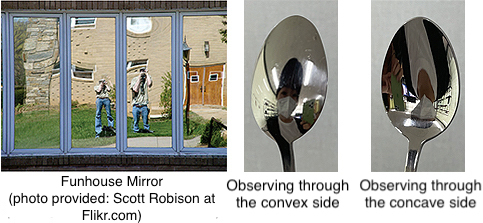
Similarly, a ③ which has a curved outward surface, makes objects appear smaller while providing a wider field of view, making it ideal for security mirrors, safety mirrors at curves, and side mirrors on vehicles. A ④
has a surface that curves inward, has the property of converging light. Because of this, it is commonly used in flashlights, car headlights, and Olympic torches, which use sunlight to ignite the flame.
which has a curved outward surface, makes objects appear smaller while providing a wider field of view, making it ideal for security mirrors, safety mirrors at curves, and side mirrors on vehicles. A ④
has a surface that curves inward, has the property of converging light. Because of this, it is commonly used in flashlights, car headlights, and Olympic torches, which use sunlight to ignite the flame.
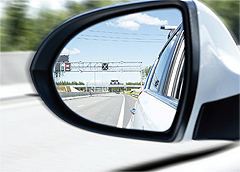
Convex Mirror – Side Mirror
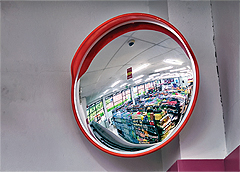
Convex Mirror – Security Mirror
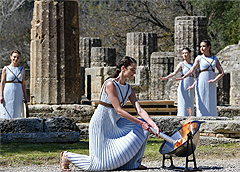
Concave Mirror – Olympic Torch Reflector
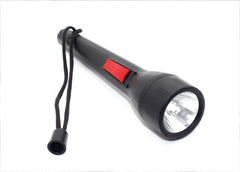
Concave Mirror – Flashlight
Click here to take the quiz!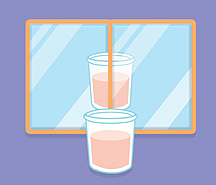
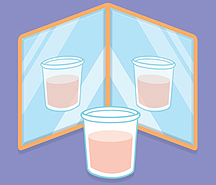
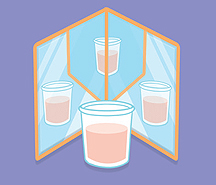
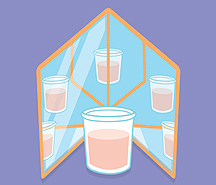
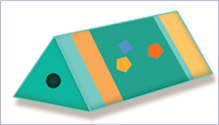
kaleidoscope
Ⓐ Object inside the kaleidoscope
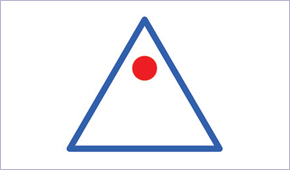
Patterns seen in the mirrors
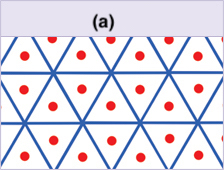
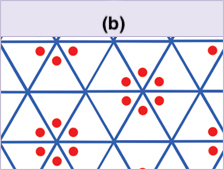
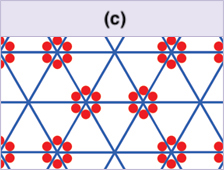
Ⓑ Object inside the kaleidoscope
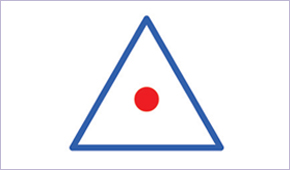
Patterns seen in the mirrors
Ⓒ Object inside the kaleidoscope
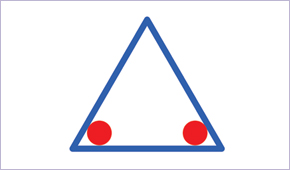
Patterns seen in the mirrors
Click here to take the quiz!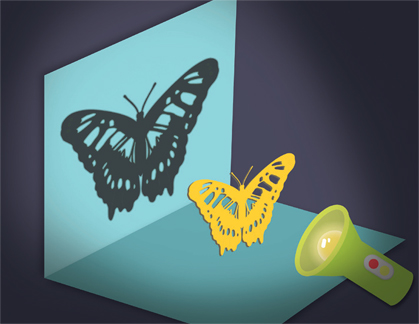
Observing shadow size
| Position of the shadow puppet | Size of the shadow |
|---|---|
| The shadow puppet is closer to the light source than the stage. | ⑫ |
| The shadow puppet is closer to the stage than the light source. | ⑬ |
Stage and shadow color
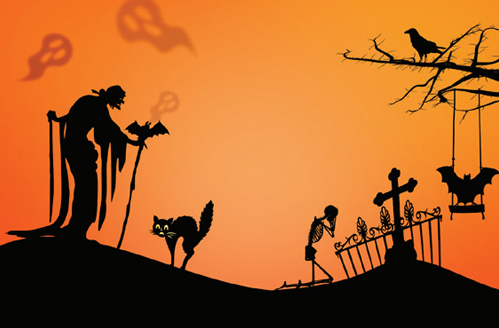 Ⓐ Create an orange-colored background
Stage and shadow color
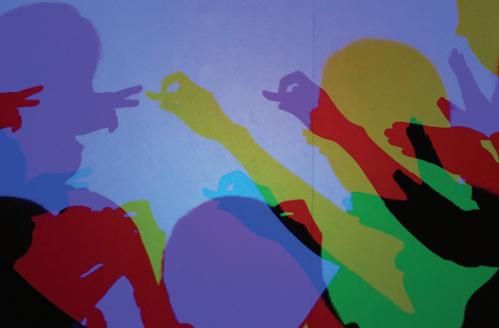 Ⓑ Make colorful shadows.