


Description
Diophantus and the Pharos Lighthouse & Tombstone
| 45 | 8+ | ★★★☆ ☆☆☆ | Max. 120x120x135(mm) | 300×210(mm) x 2Sheets |
| PCS | Ages | Difficulty | Assembled Size | Board Size |
Summery of key features
- No. SESM23-005
- Assembled Size: Max. 120x120x135(mm)
3D Puzzle
Learning Through Play
Best Hands-on Education
We believe in
Hands-On Education
Hands-on learning is the best approach to learning rather than just being taught the theory via books.
Information
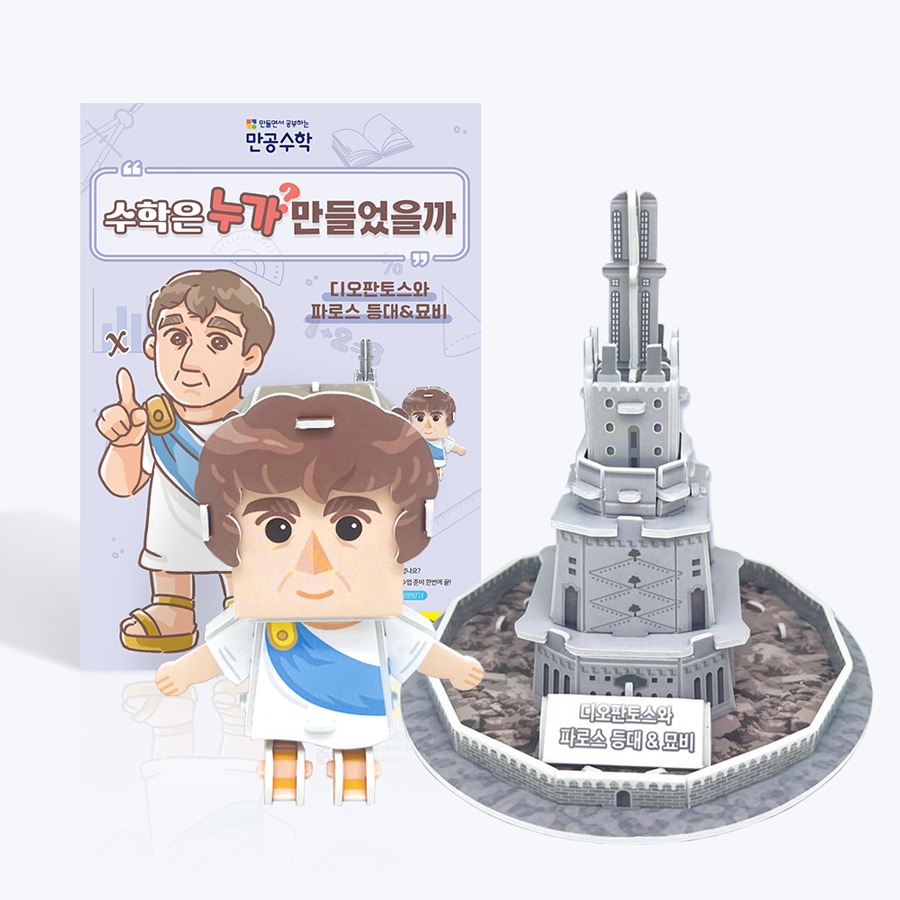
Diophantus and the Pharos Lighthouse & Tombstone
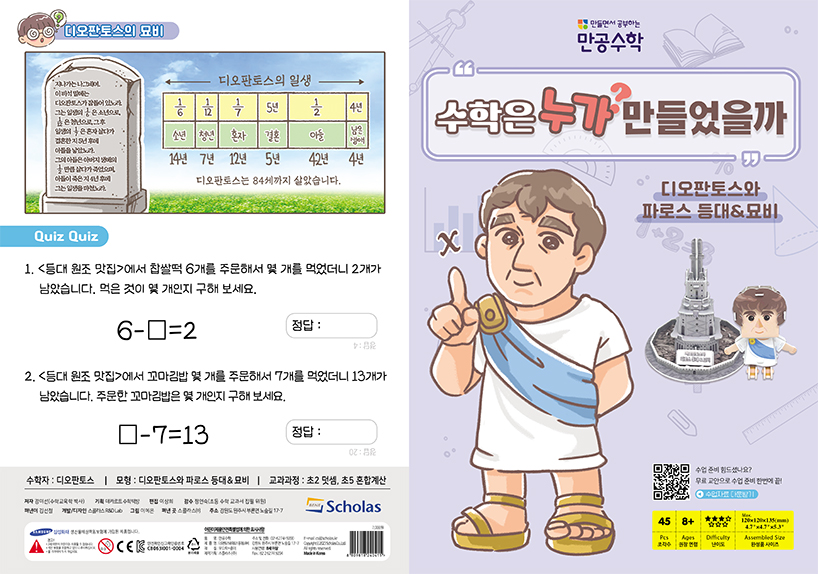
This product introduces students to Diophantus, known as the “father of algebra,” and challenges them to solve a famous age riddle engraved on his symbolic tomb.
By decoding the tombstone’s math puzzle, learners practice algebraic thinking, equation building, and logical reasoning.
Alongside the mathematical journey, students explore the architecture and historical significance of the Pharos Lighthouse, one of the Seven Wonders of the Ancient World.
The included quiz reinforces core concepts such as translating word problems into equations, calculating ages, and understanding historical context.
Illustrations and guided questions help learners visualize ancient Greek contributions to mathematics, engineering, and scientific thought.
Through the integration of history, math, and critical thinking, this activity promotes a deeper understanding of how knowledge was developed and recorded in ancient times.
Perfect for interdisciplinary learning, this kit inspires students to connect abstract numbers with real-world stories and historical achievements.
It’s an engaging blend of puzzle-solving and cultural exploration that brings ancient wisdom to life.
Diophantus
Diophantus of Alexandria, often referred to as the “father of algebra,” was a Greek mathematician who flourished around 250 CE. His most renowned work, Arithmetica, is a collection of problems that explore the solutions of algebraic equations, particularly those that seek integer solutions, now known as Diophantine equations.
The Lighthouse of Alexandria, also known as the Pharos of Alexandria, was a marvel of ancient engineering. Constructed during the reign of Ptolemy II Philadelphus (280–247 BC), it stood on the island of Pharos in the harbor of Alexandria, Egypt. The lighthouse was estimated to be at least 100 meters (330 feet) tall, making it one of the tallest man-made structures of its time.
The lighthouse served as a prototype for all subsequent lighthouses and was one of the Seven Wonders of the Ancient World. It remained operational for over 1,600 years, enduring through various political regimes until multiple earthquakes eventually reduced it to ruins. In the 15th century, the Sultan of Egypt repurposed the remaining structure into a medieval fort.
In 1994, marine archaeologist Jean-Yves Empereur and his team discovered remnants of the lighthouse, including a massive granite statue believed to represent Ptolemy II, which had once stood at the base of the Pharos.
The legacy of the Lighthouse of Alexandria endures, symbolizing human ingenuity and the quest to conquer the seas. Its influence is evident in the design of modern lighthouses, and its historical significance continues to captivate scholars and enthusiasts alike.
For a more in-depth exploration of the Lighthouse of Alexandria, you might find the following lecture insightful:
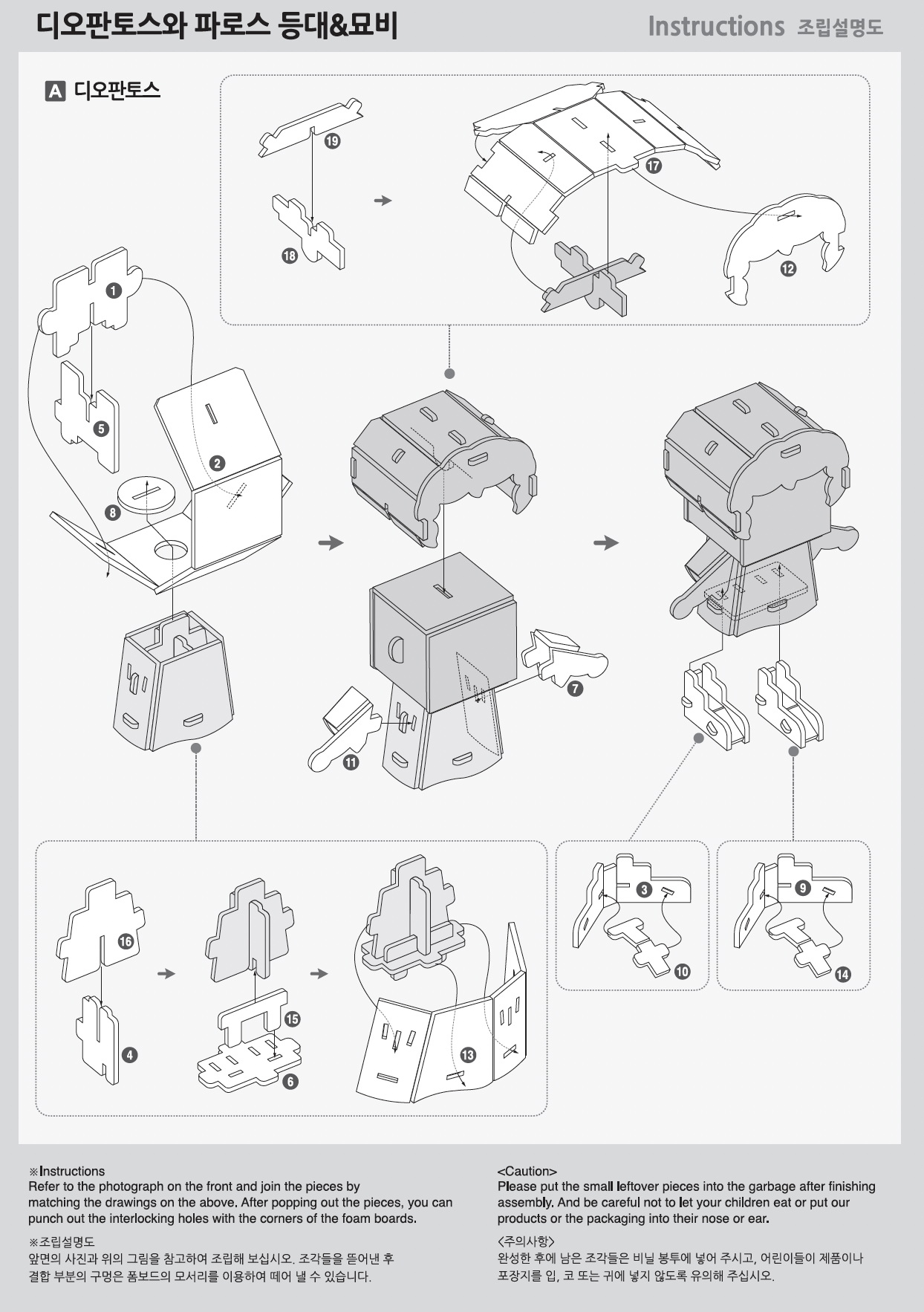
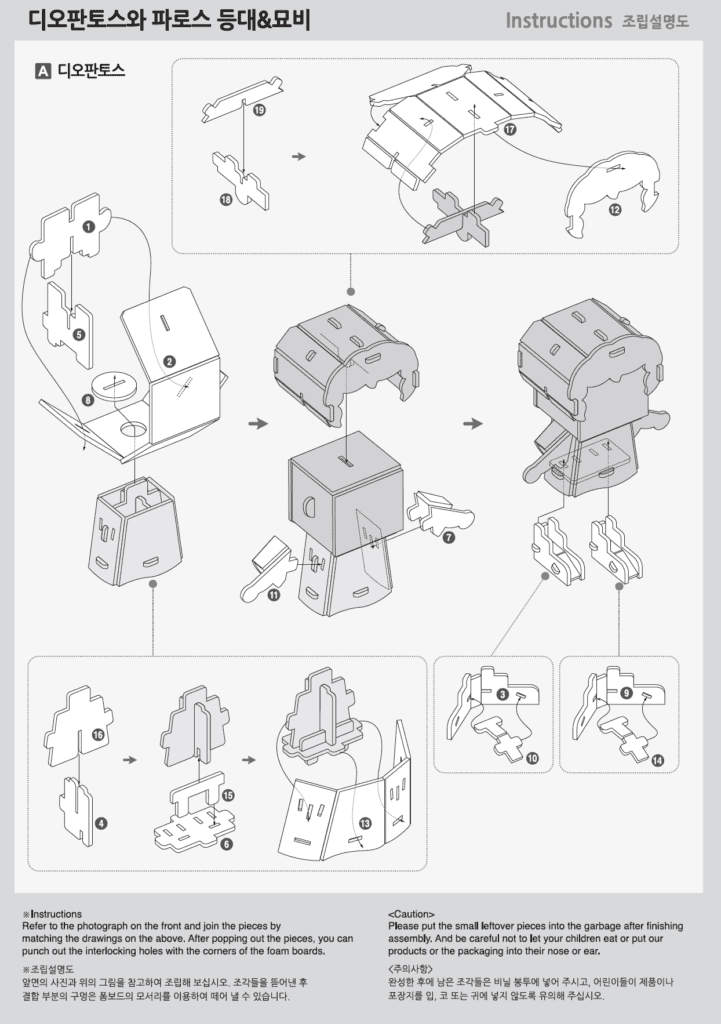
How To Make
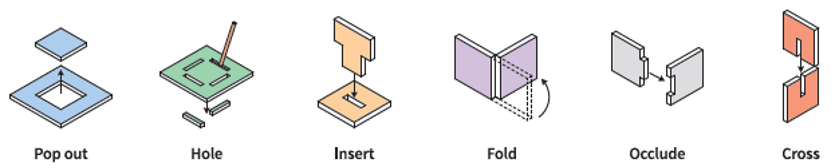
Instructions
Why do you need 3D Puzzle

3D Puzzles enhances problem-solving skills, scientific thinking, and creativity, making them highly beneficial for STEM (Science, Technology, Engineering, and Mathematics).
What Our Customers Say
Explore why enthusiasts rave about building 3D puzzles. Here are some stories from our satisfied customers!
Student Worksheet & Answer Sheet Download
Certification

Reviews
There are no reviews yet.