
Description
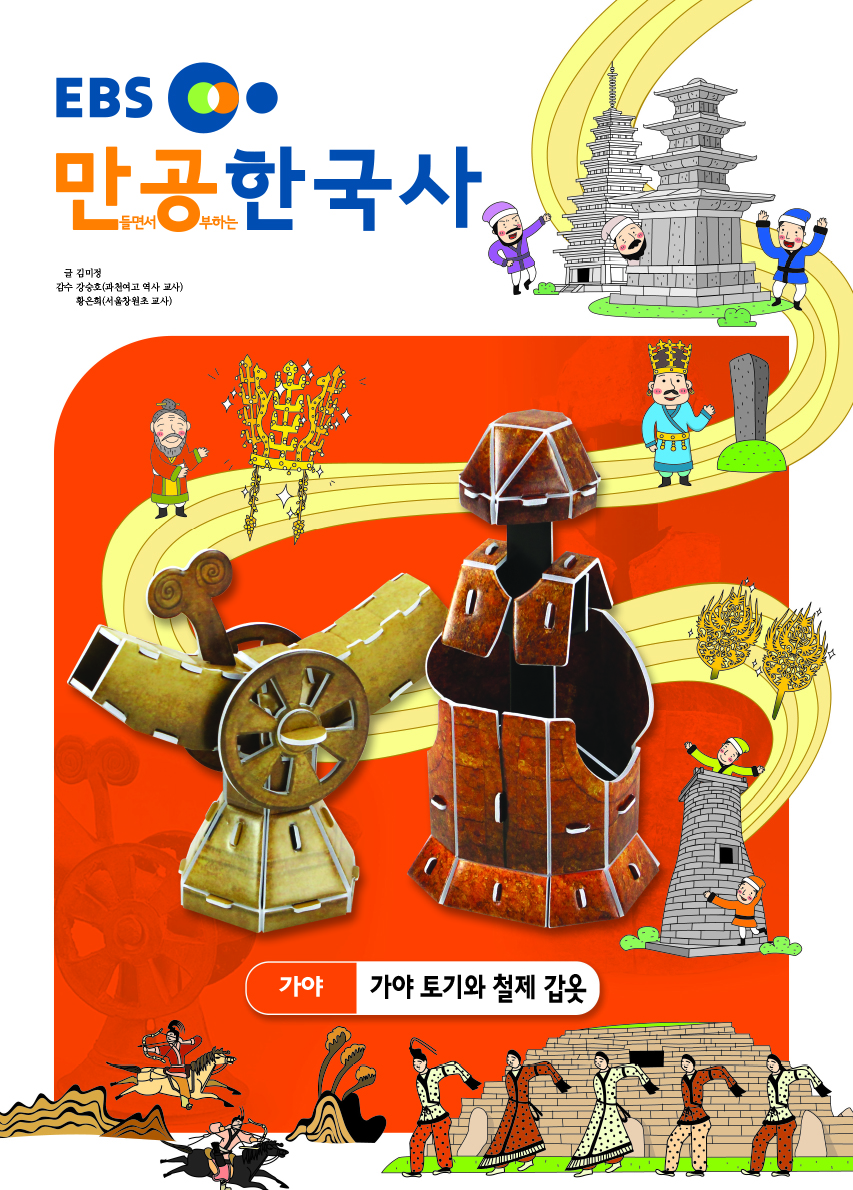
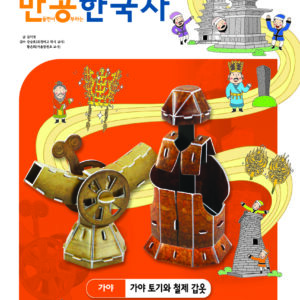
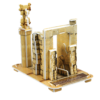
Gaya Pottery and Iron Armor
Category: K-history
Model Name: Gaya Pottery and Iron Armor
Model No.: HS20-055
PCS: 39
Ages: 8+
Difficulty: ★★★☆☆☆☆
Assembled Size: 75x63x159
Board Size: 300×210
Product Contents: Puzzle Board, Instruction Sheet
| 39 | 8+ | ★★★☆ ☆☆☆ | 75x63x159(mm) | 300×210(mm) x 2Sheets |
| PCS | Ages | Difficulty | Assembled Size | Board Size |
Summery of key features
- No. HS20-055
- Board Size: 300×210(mm)x2Sheets
3D Puzzle
Learning Through Play
Best Hands-on Education
We believe in
Hands-On Education
Hands-on learning is the best approach to learning rather than just being taught the theory via books.
Information
Gaya Pottery and Iron Armor
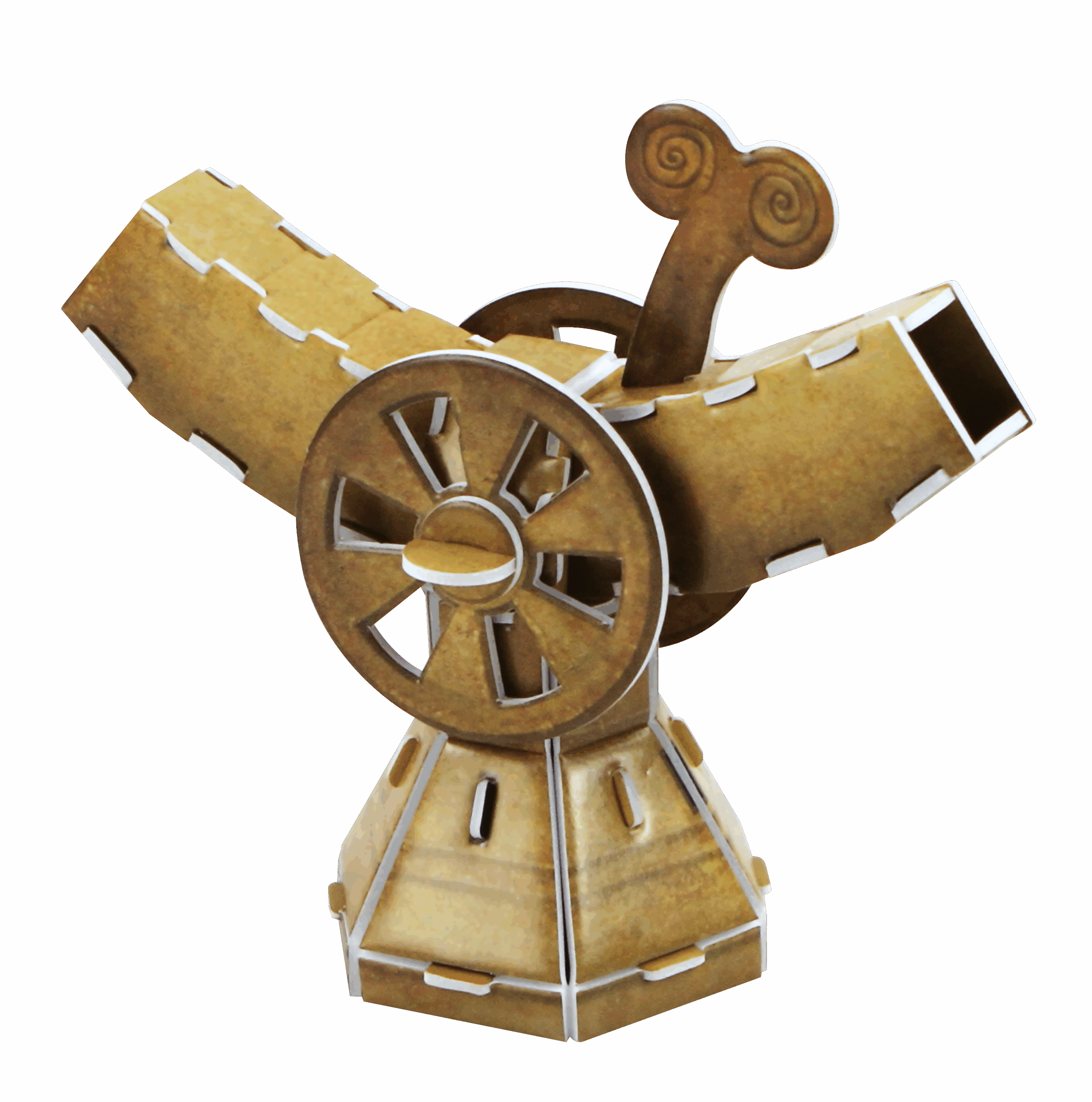
1. Gaya Pottery: The Wheel-Decorated Horn-Shaped Cup
During the Three Kingdoms period, when Goguryeo, Baekje, and Silla were competing for dominance, a confederated kingdom called Gaya emerged in the lower Nakdong River region. Aside from the Samguk Yusa, there are few written records about Gaya, making its history difficult to trace. However, many artifacts such as pottery and iron armor have been excavated from ancient Gaya tombs, offering insight into its cultural development.
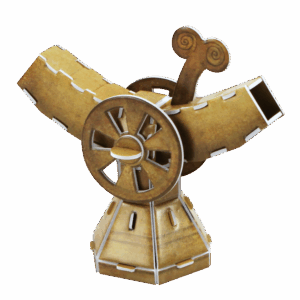
One notable example is the wheel-decorated horn-shaped cup, designated as Treasure No. 637 and housed at the National Jinju Museum. This unique piece features a U-shaped horn resting atop a pedestal dish. On both sides of the horn are decorative cartwheels, with fern-like ornaments attached above. Originally, two fern decorations were present, but only one remains today.
The cartwheel is believed to symbolize the soul’s journey to the afterlife. Gaya’s pottery-making skills were highly advanced—its forms were rustic yet elegant, with refined curves. Fired at temperatures over 1000°C, the pottery was durable and resistant to breakage. Gaya’s ceramic techniques even influenced Japanese pottery, particularly the development of Sueki ware.
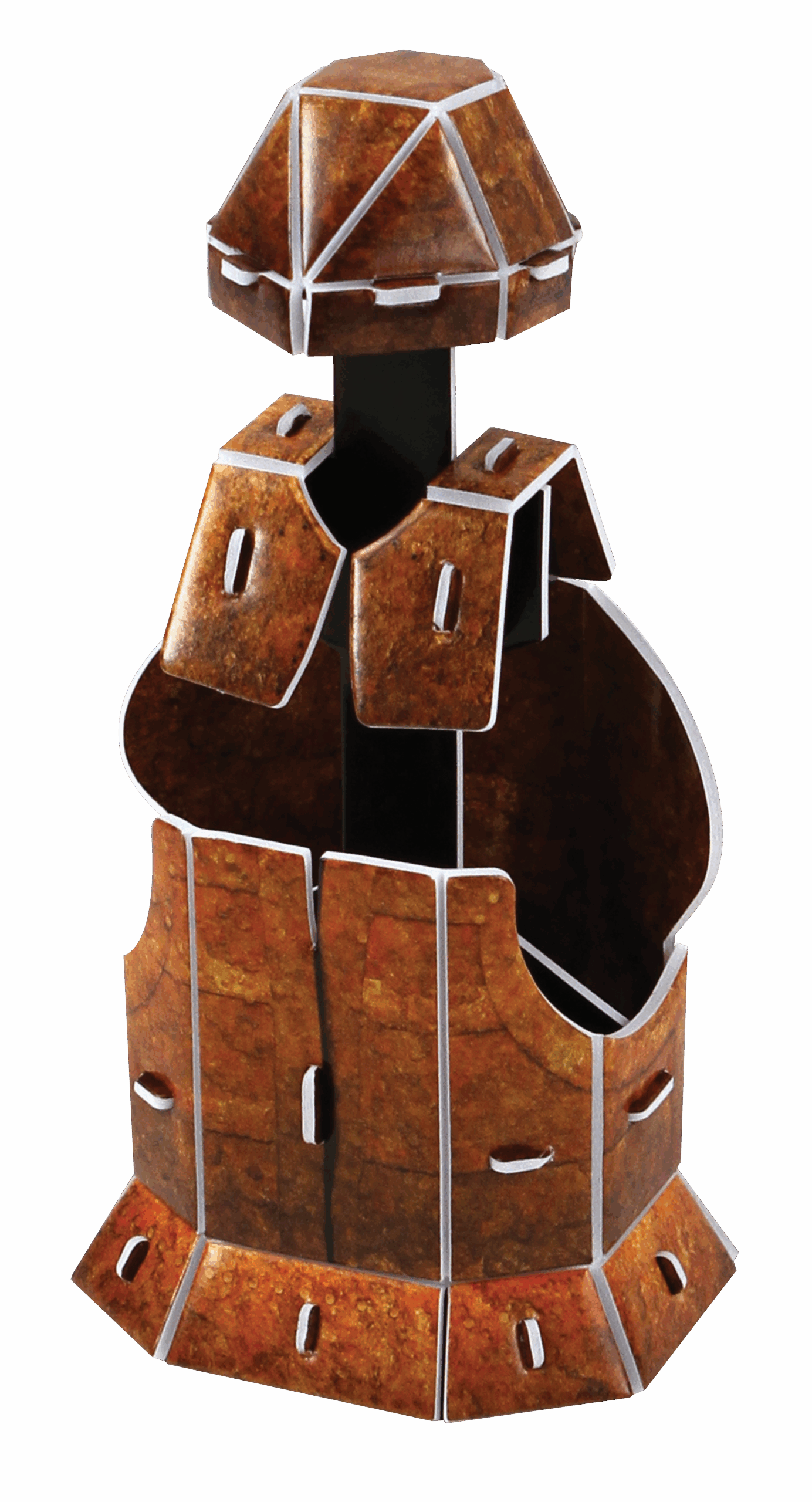
2. Gaya Iron Armor and Helmet
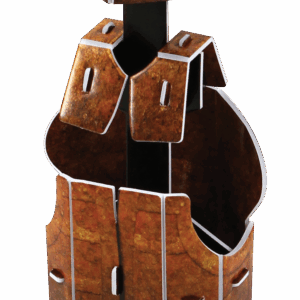
In Tomb No. 32 at Jisan-dong, Goryeong County, North Gyeongsang Province, archaeologists discovered iron armor, helmets, and various other artifacts. This tomb is believed to belong to a high-ranking figure of Daegaya from the 5th century.
The iron armor and helmet demonstrate Gaya’s advanced ironworking technology. Gaya had abundant high-quality iron, which was exported to neighboring regions. As a result, Gaya people became skilled in crafting iron tools and weapons.
Iron armor was a product of this expertise. Especially in the 4th century, such armor was widely produced and was strong enough to withstand arrows fired at close range. Around 70 pieces of iron armor have been found in the Gaya region—accounting for about 90% of all armor excavated on the Korean Peninsula. This highlights the remarkable development of Gaya’s iron culture.
3. Gaya Kings Born from Eggs
According to Gaya’s founding myth, its kings were born from eggs. One day, village chiefs in the Gaya region were worried about the absence of a king. Suddenly, a golden box descended from the sky, and inside were six eggs.
Soon, six boys were born from the eggs. The first to hatch became King Kim Suro of Geumgwan Gaya. The other five boys became kings of the remaining Gaya states. It may sound unbelievable—humans, let alone kings, born from eggs—but the story emphasizes that Gaya’s rulers were extraordinary from birth.
4. What Kind of Country Was Gaya?
In the late 3rd century, small states began to form in the lower Nakdong River region (present-day South and North Gyeongsang Provinces). Among them, Geumgwan Gaya grew stronger and led a confederation of neighboring states, forming the Gaya Confederacy.
However, in the early 5th century, Geumgwan Gaya suffered a major blow from an attack by Goguryeo’s King Gwanggaeto. Afterward, Daegaya in Goryeong—unaffected by Goguryeo’s invasion—took the lead in reorganizing the confederacy.
The Gaya Confederacy led by Geumgwan Gaya is referred to as the Early Gaya Confederacy, while the one led by Daegaya is called the Later Gaya Confederacy.
At the time, the Korean Peninsula was dominated by three kingdoms growing into centralized states. In contrast, Gaya’s member states were relatively equal in power, and none emerged as a dominant force. Sandwiched between Baekje and Silla, Gaya faced constant pressure from both sides.
Eventually, Geumgwan Gaya was annexed by Silla in 532 during King Beopheung’s reign, and Daegaya followed in 562 under King Jinheung—marking the end of Gaya in Korean history.
5. Glossary
Confederated Kingdom (연맹 왕국): A union of smaller states centered around a relatively stronger one, maintaining a balance of power.
Sueki (스에키): A type of hard, gray or brown Japanese pottery influenced by Gaya ceramics.
How To Make
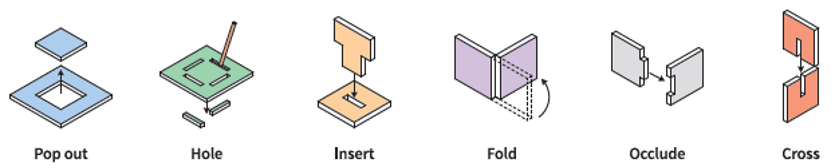
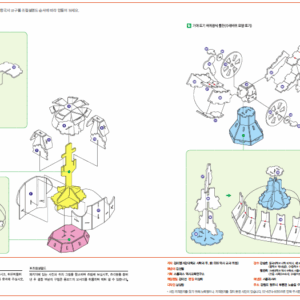
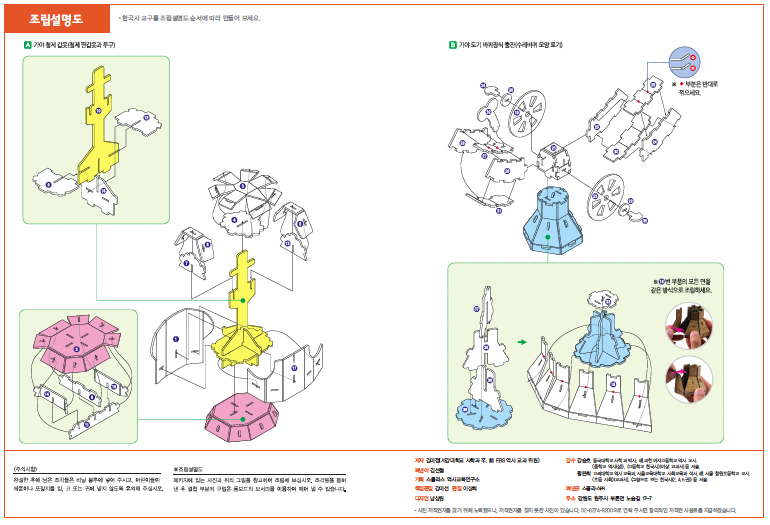
Instructions
Why do you need 3D Puzzle

3D Puzzles enhances problem-solving skills, scientific thinking, and creativity, making them highly beneficial for STEM (Science, Technology, Engineering, and Mathematics).
What Our Customers Say
Explore why enthusiasts rave about building 3D puzzle. Here are some stories from our satisfied customers!
Student Worksheet & Answer Sheet Download
Certification

Reviews
There are no reviews yet.